
Introduction
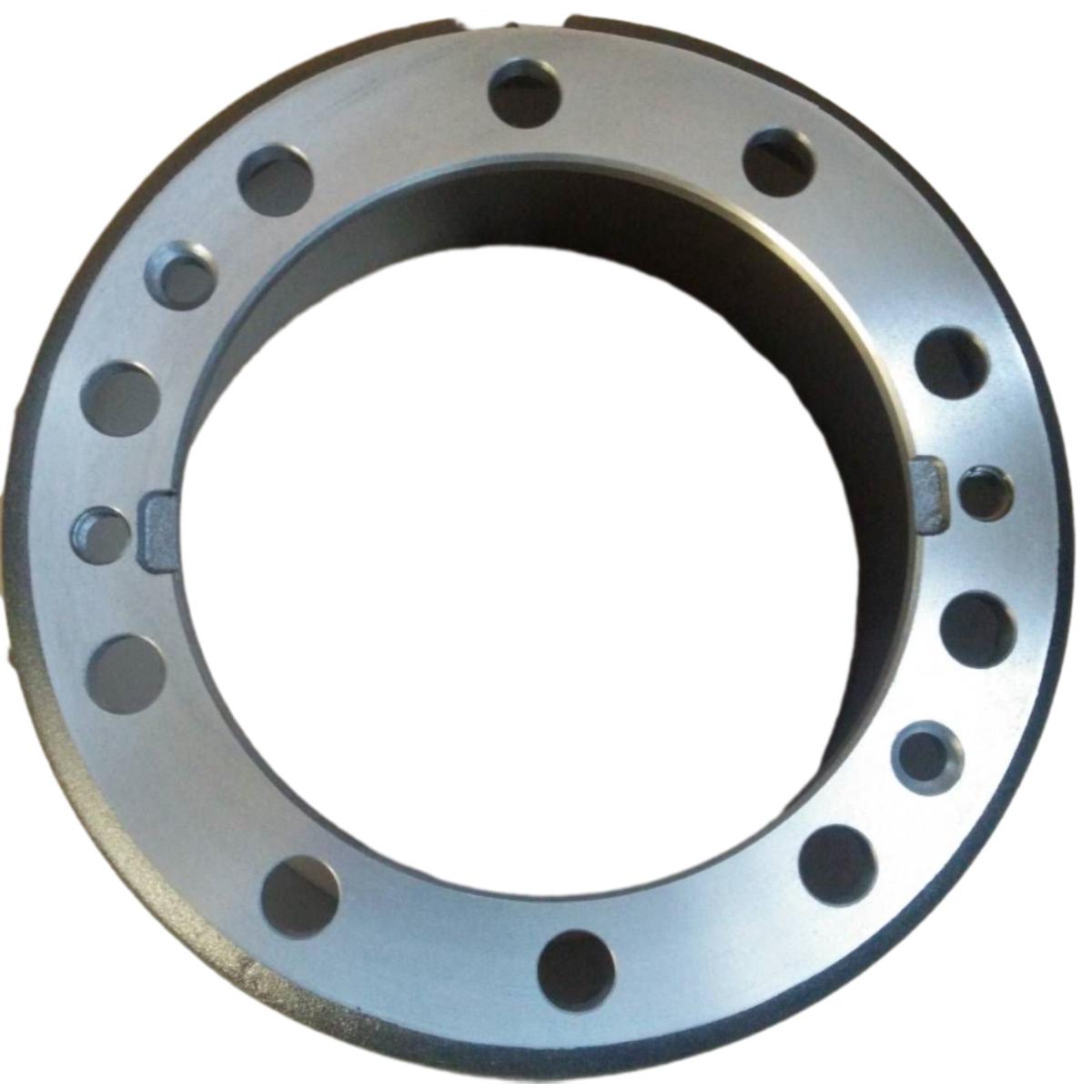
Drum to disc brake conversion kits represent a significant upgrade to braking performance, primarily in vehicles originally equipped with drum brakes. These kits replace the entire drum brake assembly – including the backing plate, wheel cylinder, brake shoes, and drum itself – with a complete disc brake system consisting of a rotor, caliper, brake pads, and caliper mounting bracket. The technical position of these kits lies within the vehicle safety systems, specifically addressing the limitations inherent in drum brake design, namely susceptibility to brake fade under heavy use and reduced wet-weather performance. Core performance metrics include stopping distance, pedal feel, thermal capacity, and resistance to brake fade. A critical aspect is ensuring proper compatibility with the vehicle's existing master cylinder and brake lines to maintain hydraulic pressure and efficient operation. The increased thermal capacity of disc brakes compared to drums is paramount for repeated heavy braking scenarios, common in performance driving and demanding operational environments.
Material Science & Manufacturing
The materials employed in drum to disc conversion kits are critical to their performance and longevity. Rotors are typically constructed from gray cast iron (FC25-FC30), chosen for its high thermal conductivity and wear resistance. High-carbon steel alloys (such as 4140 or 8620) are frequently used for caliper bodies due to their strength and machinability. Caliper pistons are often made from aluminum alloys (6061-T6) for lightweight construction and corrosion resistance, with phenolic resin pistons used in some applications for improved thermal insulation. Brake pads are composite materials, typically consisting of semi-metallic compounds (iron, copper, steel fibers) bonded to a backing plate, or ceramic formulations offering quieter operation and reduced dust. Manufacturing processes vary. Rotors are produced through casting, followed by machining to precise tolerances for flatness and thickness variation. Calipers are manufactured via casting or forging, followed by extensive machining for fluid pathways and piston bores. Brackets are typically steel, manufactured using CNC milling or laser cutting to ensure accurate mounting. Key parameter control involves stringent quality control of material composition, heat treatment processes for steel components to achieve desired hardness and tensile strength, and dimensional accuracy of all machined parts. Surface treatments, such as zinc plating or powder coating, are applied to protect against corrosion. The bonding of friction material to the pad backing plate requires precise adhesive application and curing to ensure consistent friction coefficient and shear strength.

Performance & Engineering
Performance analysis of a drum to disc conversion focuses on several key engineering principles. Force analysis involves calculating the braking torque generated by the caliper and pads, considering the hydraulic pressure from the master cylinder, the effective radius of the rotor, and the coefficient of friction between the pads and rotor. Environmental resistance is crucial; components must withstand temperature variations, moisture, road salt, and debris. Corrosion prevention is achieved through material selection and protective coatings. Compliance requirements are dictated by FMVSS 105 (Federal Motor Vehicle Safety Standards in the US) and equivalent regulations in other regions. Functional implementation requires precise alignment of the caliper and rotor to prevent uneven pad wear and rotor scoring. Proper brake line routing is essential to avoid kinks or obstructions that could reduce hydraulic pressure. The master cylinder’s output volume must be matched to the caliper piston area to provide adequate pedal travel and braking force. Thermal analysis demonstrates the superior heat dissipation capabilities of disc brakes, reducing brake fade compared to drum brakes where heat builds up within the enclosed drum assembly. Finite Element Analysis (FEA) is frequently used to optimize caliper and bracket designs for strength and stiffness, minimizing deflection under load. Consideration must be given to the vehicle's suspension geometry and weight distribution to ensure balanced braking forces on all wheels.
Technical Specifications
| Parameter | Standard Drum Brake (Typical) | Typical Disc Brake Conversion Kit | Unit |
|---|---|---|---|
| Rotor/Drum Diameter | 203 mm | 280-320 mm | mm |
| Braking Torque (Max) | 300 Nm | 500-700 Nm | Nm |
| Effective Friction Area | 150 cm² | 200-250 cm² | cm² |
| Weight (Assembly - per wheel) | 8-10 kg | 5-7 kg | kg |
| Thermal Fade Resistance | Low | High | Qualitative |
| Coefficient of Friction (μ) | 0.25-0.35 | 0.35-0.45 | Dimensionless |
Failure Mode & Maintenance
Failure modes in drum to disc conversion kits can be attributed to several factors. Fatigue cracking in caliper bodies or mounting brackets can occur due to repeated stress cycles. Rotor warping, caused by uneven heating and cooling, leads to brake pedal pulsation. Pad delamination results from insufficient bonding between the friction material and backing plate. Corrosion of caliper pistons or brake lines reduces hydraulic efficiency. Rotor scoring is caused by abrasive particles trapped between the pad and rotor surface. Maintenance procedures include regular inspection of pad thickness and replacement when worn to the minimum specified limit. Caliper piston boots should be inspected for cracks or damage, and replaced if necessary. Brake fluid should be flushed and replaced according to the manufacturer's recommendations (typically every 2-3 years) to prevent corrosion and maintain hydraulic performance. Rotors should be resurfaced or replaced if they exhibit excessive runout or scoring. Caliper slide pins should be lubricated periodically to ensure smooth caliper operation. Failure analysis of prematurely worn components should investigate potential causes such as improper installation, mismatched components, or excessive braking demands. Galvanic corrosion between dissimilar metals (e.g., steel caliper and aluminum piston) can be mitigated with appropriate anti-seize compounds during assembly.
Industry FAQ
Q: What are the critical considerations when selecting a conversion kit for a vehicle with ABS?
A: When converting a vehicle equipped with ABS, ensuring compatibility with the ABS system is paramount. Some kits require modifications to the ABS sensors or wiring harness. It's crucial to choose a kit specifically designed for ABS-equipped vehicles and verify that the rotor’s tone wheel is compatible with the existing ABS sensors. Incorrect sensor readings can cause ABS malfunction and compromise braking safety.
Q: How do I determine if my existing master cylinder is adequate for a disc brake conversion?
A: The master cylinder’s bore size must be compatible with the new disc brake calipers. A smaller master cylinder bore will increase pedal travel but reduce braking force, while a larger bore will decrease pedal travel but potentially increase braking force beyond the capabilities of the braking system. Calculating the piston area of the new calipers and comparing it to the output volume of the master cylinder is essential. Consulting with a braking specialist is recommended.
Q: What is the recommended break-in procedure for a new disc brake system after a conversion?
A: A proper break-in procedure is critical for optimal performance and longevity. This typically involves a series of moderate stops from increasing speeds, allowing the pads and rotors to gradually bed in together. Avoid hard braking during the initial break-in period (approximately 200-300 miles). This process transfers a layer of friction material from the pads to the rotors, creating a consistent friction surface.
Q: What is the impact of rotor material (e.g., slotted vs. drilled) on performance and longevity?
A: Slotted rotors improve wet weather braking performance by channeling water away from the pad surface, reducing hydroplaning. Drilled rotors offer some weight reduction and assist in dissipating heat, but can be more prone to cracking under severe thermal stress. Solid rotors are generally the most durable option for everyday driving. The selection depends on the intended use and driving conditions.
Q: Can I use the existing brake lines, or do I need to upgrade them?
A: It’s generally recommended to replace the original rubber brake lines with stainless steel braided lines during a disc brake conversion. Rubber lines can expand under pressure, reducing braking feel and efficiency. Stainless steel lines minimize expansion, providing a firmer pedal feel and more consistent braking performance. Ensure the lines are compatible with the vehicle’s brake fluid type.
Conclusion
Drum to disc brake conversion kits offer a substantial enhancement in braking capability, addressing the inherent limitations of drum brake systems. The selection and proper installation of these kits require a detailed understanding of material science, manufacturing processes, and engineering principles. Ensuring compatibility with existing vehicle systems, such as ABS and the master cylinder, is crucial for safe and effective operation.
Ultimately, the benefits – improved stopping distances, increased thermal capacity, and enhanced pedal feel – justify the investment for vehicles where braking performance is a priority. Regular maintenance, including pad replacement, fluid flushes, and rotor inspection, is essential for maximizing the longevity and reliability of the converted brake system. Adherence to industry standards and best practices will ensure optimal performance and driver safety.