
Introduction
Brake drums, integral components of mechanical braking systems, are frequently subjected to corrosion and thermal stresses leading to adhesion between the drum and the wheel hub. This adhesion manifests as a ‘stuck’ brake drum, presenting a significant service challenge for automotive technicians and maintenance personnel. The removal process requires a nuanced understanding of material properties, mechanical principles, and appropriate tooling to avoid damage to the drum, hub, and surrounding components. This guide details the causes of brake drum seizure, outlines safe and effective removal techniques, and explores preventative maintenance strategies. The scope encompasses light- and medium-duty vehicle brake drums, covering both cast iron and composite materials. Effective resolution requires differentiating between minor surface corrosion and significant structural bonding, influencing the chosen removal methodology.
Material Science & Manufacturing
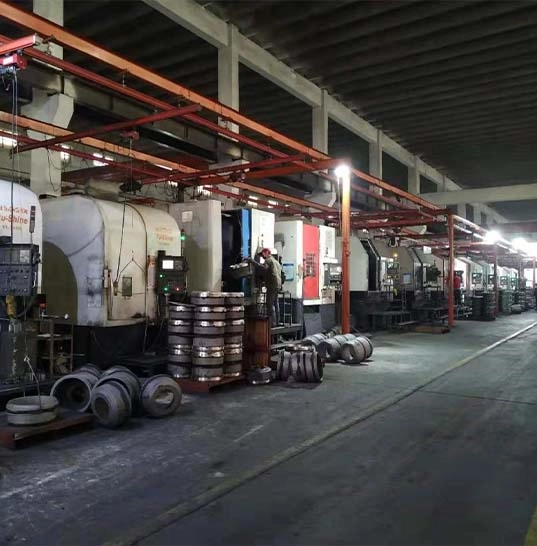
Brake drums are predominantly manufactured from grey cast iron (ASTM A48 Class 30) due to its excellent thermal conductivity, wear resistance, and cost-effectiveness. However, composite brake drums utilizing materials like nodular cast iron or even carbon fiber reinforced polymers are increasingly employed for weight reduction and improved performance. The manufacturing process typically involves sand casting for cast iron drums, followed by machining operations to achieve precise dimensions and surface finish. Critical parameters during manufacturing include cooling rate control to manage graphite flake size and distribution within the cast iron matrix, influencing its mechanical properties. Surface hardening treatments, such as induction hardening, are often applied to the braking surface to increase wear resistance. The hub mating surface, where adhesion commonly occurs, is often left unhardened. Corrosion products forming between the drum and hub are typically iron oxides (rust) composed of varying ratios of FeO, Fe2O3, and Fe(OH)3. These oxides, particularly hydrated forms, exhibit significant expansion volume during formation, exacerbating the seizing effect. Galvanic corrosion, initiated by dissimilar metals (e.g., cast iron drum and steel hub) in the presence of an electrolyte (water, road salt), accelerates the degradation process. Lubricant degradation, due to high temperatures and contamination, also contributes to increased friction and eventual seizure.

Performance & Engineering
The sticking of a brake drum is fundamentally a problem of overcoming static friction. The force required to initiate movement increases exponentially with the contact area and the coefficient of static friction. In a seized brake drum, this force can exceed the yield strength of the drum or hub if improperly addressed. Applying excessive force directly can lead to distortion of the drum, damage to the wheel studs, or even fracturing of the hub. The engineering approach to drum removal centers on strategically reducing the friction force. This is achieved through penetrating oil application, targeted impact loading, and controlled rotational force. Impact loading, when applied circumferentially, creates stress waves within the rust layer, fracturing the bonding between the drum and hub. Careful consideration must be given to the thermal expansion coefficients of the drum and hub. Heating the drum (e.g., with a propane torch - cautiously) can induce differential expansion, potentially breaking the bond. However, excessive heating can temper the cast iron, reducing its hardness and increasing wear. The structural integrity of the drum and hub must be assessed post-removal to identify any signs of deformation or cracking. Finite Element Analysis (FEA) is often used during the drum’s design phase to predict stress concentrations and optimize material distribution to minimize the likelihood of failure.
Technical Specifications
| Parameter | Cast Iron Drum (Typical) | Nodular Cast Iron Drum | Composite Drum (Carbon Fiber Reinforced) |
|---|---|---|---|
| Tensile Strength (MPa) | 200-300 | 400-600 | >600 (Fiber Dependent) |
| Compressive Strength (MPa) | 800-1200 | 1000-1500 | >1200 (Resin Dependent) |
| Thermal Conductivity (W/mK) | 50-60 | 40-50 | 5-15 |
| Coefficient of Thermal Expansion (x10-6/°C) | 12-15 | 10-12 | 2-5 (Fiber Alignment Dependent) |
| Hardness (Brinell) | 180-250 | 250-350 | Variable (Resin & Fiber) |
| Corrosion Resistance (ASTM B117 Salt Spray Test - hours to failure) | 24-72 | 72-144 | >500 (with protective coating) |
Failure Mode & Maintenance
The primary failure mode leading to a stuck brake drum is corrosion-induced adhesion. This manifests as a uniform bonding across the mating surfaces or localized seizing due to concentrated rust build-up. Another failure mode is thermal distortion caused by repeated heating and cooling cycles, creating uneven contact and increasing friction. Stress corrosion cracking, particularly in the presence of chlorides (road salt), can initiate cracks in the cast iron, weakening the drum and exacerbating seizure. Fatigue cracking around wheel stud holes, caused by repeated tightening and loosening, can contribute to instability and increase the likelihood of drum warping. Preventative maintenance includes regular inspection of the drum and hub mating surfaces for signs of corrosion. Applying a high-temperature anti-seize lubricant (e.g., containing zinc or molybdenum disulfide) to the hub before drum installation is crucial. Periodic brake service, including cleaning and inspection of the braking surface and wheel studs, helps prevent corrosion and maintain optimal braking performance. Proper wheel nut torque is essential to avoid distortion and stress concentrations. Regularly backing off and re-torquing wheel nuts after initial installation is recommended.
Industry FAQ
Q: What is the safest method to initially attempt to break a severely rusted brake drum free?
A: The initial approach should always prioritize minimizing force and avoiding damage. Begin with liberal application of a high-quality penetrating oil around the hub/drum mating surface. Allow ample soak time (several hours, or overnight). Then, use a rubber mallet to deliver controlled impacts circumferentially around the drum’s outer face. Avoid direct hammering on the braking surface, which can cause distortion.
Q: Is it advisable to use heat to remove a stuck brake drum, and what are the risks?
A: Applying heat can be effective, but requires caution. Use a propane torch and direct the flame towards the drum, not the hub. Heat the drum evenly and avoid prolonged heating. The risk is tempering the cast iron, reducing its hardness, or potentially igniting any residual flammable materials. Always have a fire extinguisher readily available.
Q: What should I do if penetrating oil and impact methods fail?
A: If initial methods are unsuccessful, a specialized brake drum puller can be used. Ensure the puller is properly aligned and tightened gradually to avoid stripping the wheel studs. As a last resort, and with extreme caution, a controlled application of a hydraulic press may be considered, but only by experienced technicians.
Q: What are the signs that a brake drum is damaged and should be replaced?
A: Visible cracks, significant warping (indicated by excessive rotor runout), excessive wear beyond the manufacturer's specifications, or damaged wheel stud threads are all indications that the drum should be replaced. Any drum that has been subjected to excessive heat or impact loading should also be inspected for internal damage.
Q: How can I prevent brake drums from seizing in the future?
A: Consistent preventative maintenance is key. Apply anti-seize lubricant to the hub mating surface during brake service. Inspect the drums regularly for corrosion and address any issues promptly. Ensure proper wheel nut torque and periodically re-torque them after initial installation. Avoid prolonged exposure to corrosive environments (e.g., road salt).
Conclusion
The successful removal of a stuck brake drum relies on a systematic approach grounded in materials science, mechanical engineering principles, and a careful assessment of the failure mode. Attempting forceful removal without proper preparation risks significant damage to critical components, increasing repair costs and compromising vehicle safety. The application of penetrating oil, coupled with controlled impact loading, represents the safest initial strategy.
Preventative maintenance, including regular inspection, lubrication, and proper wheel nut torque, remains the most effective long-term solution for mitigating brake drum seizure. Understanding the mechanisms of corrosion and thermal stress is essential for both removing stuck drums and preventing future occurrences, ultimately ensuring reliable and safe braking performance.