
Introduction
The conversion from drum brakes to disc brakes represents a significant upgrade in braking performance and system reliability, particularly in automotive applications. Drum brakes, historically prevalent due to their lower manufacturing cost and self-energizing effect, are increasingly superseded by disc brakes offering superior heat dissipation, fade resistance, and overall stopping power. This technical guide details the process, material considerations, engineering principles, potential failure modes, and relevant industry standards associated with this conversion. The increasing demand for improved vehicle safety and performance drives this shift, necessitating a thorough understanding of the involved complexities. This transition isn’t merely a component swap; it fundamentally alters the braking system’s hydraulic and mechanical characteristics, demanding careful planning and execution. Core to this process is addressing the differences in actuation force requirements and ensuring compatibility with existing vehicle systems such as the master cylinder and parking brake mechanism.
Material Science & Manufacturing
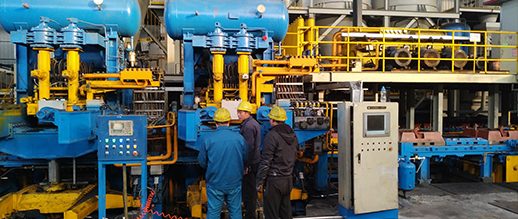
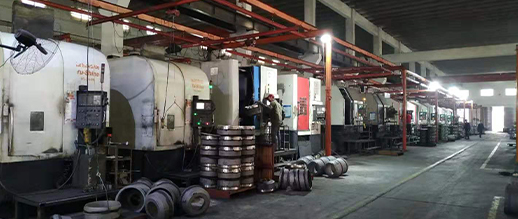
The core materials involved in a drum-to-disc brake conversion span a variety of metallurgical compositions and manufacturing processes. Disc rotors are typically constructed from cast iron, specifically gray cast iron (ASTM A48 Class 30) due to its high thermal conductivity, wear resistance, and damping characteristics. However, performance applications often utilize carbon ceramic rotors, offering even greater heat dissipation and reduced weight, albeit at a considerably higher cost. Calipers, housing the brake pistons and pads, are commonly manufactured from aluminum alloys (e.g., 6061-T6) for their lightweight properties and corrosion resistance, though steel calipers are also prevalent, offering increased rigidity. Brake pads themselves comprise a complex composite of materials, including organic compounds, semi-metallic blends, and ceramic formulations, each tailored to specific performance characteristics and operating temperatures. The manufacturing processes for these components include casting (rotors, calipers), forging (caliper pistons), and powder metallurgy (brake pads). Key parameter control during rotor casting includes careful monitoring of cooling rates to prevent the formation of undesirable microstructures like martensite, which can reduce ductility and increase cracking susceptibility. Pad manufacturing demands precise control over material ratios and sintering temperatures to achieve optimal friction coefficients and wear rates. Furthermore, the manufacturing of hydraulic lines necessitates stringent quality control to ensure leak-proof connections and compatibility with brake fluid (typically DOT 3 or DOT 4 glycol-ether based fluids).
Performance & Engineering
The performance gains from converting to disc brakes are primarily attributed to their superior heat dissipation capabilities. During braking, kinetic energy is converted into thermal energy. Disc brakes, with their open design and direct exposure to airflow, effectively radiate this heat, minimizing brake fade – a reduction in braking force due to elevated temperatures. Force analysis reveals that the clamping force generated by a disc brake caliper is more efficient at converting hydraulic pressure into frictional force compared to the self-energizing mechanism of a drum brake. The engineering considerations extend beyond the core braking components. The vehicle's suspension geometry must be evaluated to ensure proper weight transfer during braking. The master cylinder’s output volume and pressure must be compatible with the smaller piston area of disc brake calipers to maintain adequate pedal feel and braking force. Furthermore, the parking brake system must be adapted. Drum brakes often integrate the parking brake mechanism within the brake assembly. With a disc brake conversion, a separate mechanical or electrically actuated parking brake system is required. Environmental resistance is also crucial; components must withstand exposure to moisture, salt, and road debris. Corrosion protection strategies, such as powder coating and the use of corrosion-resistant alloys, are essential. Compliance requirements, dictated by FMVSS 105 in the US and ECE R13 in Europe, mandate minimum braking performance standards and durability testing procedures.
Technical Specifications
| Parameter | Drum Brake (Typical) | Disc Brake (Typical) | Unit |
|---|---|---|---|
| Rotor/Drum Diameter | 203 (8 inch) | 280 (11 inch) | mm |
| Effective Braking Area | 200 | 350 | cm² |
| Coefficient of Friction (μ) | 0.25-0.35 | 0.35-0.55 | - |
| Maximum Operating Temperature | 300 | 600 | °C |
| Weight (per corner) | 4-6 | 3-5 | kg |
| Hydraulic Pressure (Maximum) | 10-12 | 12-15 | MPa |
Failure Mode & Maintenance
Disc brake conversion systems, while superior, are not immune to failure. Common failure modes include rotor warping (leading to brake pedal pulsation), caliper piston seizure (causing uneven pad wear and reduced braking force), pad delamination (resulting in reduced friction and potential damage to the rotor), and hydraulic line leaks (compromising braking performance). Fatigue cracking in the rotor can occur due to thermal stress cycling and excessive loads. Piston seizure is often caused by corrosion or debris accumulation within the caliper bore. Delamination of brake pads can result from improper manufacturing or exposure to excessive moisture. Preventative maintenance is critical. Regular inspection of rotor runout, pad thickness, caliper operation, and hydraulic lines is essential. Brake fluid should be flushed and replaced according to the vehicle manufacturer’s recommendations (typically every 2-3 years). Calipers should be periodically disassembled, cleaned, and lubricated. Rotor resurfacing or replacement may be necessary to address warping or excessive wear. Failure to address these issues promptly can lead to catastrophic brake failure. Analyzing failure modes through metallurgical examination (e.g., fracture surface analysis) can identify root causes and inform design improvements.
Industry FAQ
Q: What is the primary reason for the increased stopping power with disc brakes compared to drum brakes?
A: Disc brakes offer significantly improved heat dissipation due to their open design. This prevents brake fade, maintaining consistent friction and stopping power even under repeated hard braking. Drum brakes trap heat within the drum assembly, leading to a reduction in friction efficiency at elevated temperatures.
Q: What modifications are typically required to the vehicle's hydraulic system during a drum-to-disc conversion?
A: Typically, the master cylinder may need to be upgraded or replaced to provide the appropriate fluid volume and pressure for the smaller pistons in the disc brake calipers. Brake lines must be adapted to connect to the new calipers, and often, a proportioning valve adjustment is required to balance the braking force between the front and rear axles.
Q: What considerations should be made regarding the parking brake system?
A: Since drum brakes frequently integrate the parking brake mechanism, a separate parking brake system must be installed with a disc brake conversion. This can be a mechanical cable-operated system or an electrically actuated system, depending on the vehicle's architecture.
Q: What is the impact of rotor material (cast iron vs. carbon ceramic) on braking performance?
A: Carbon ceramic rotors offer superior heat resistance, lower weight, and reduced wear compared to cast iron rotors. However, they are significantly more expensive and typically require a warm-up period to achieve optimal friction. Cast iron rotors are more cost-effective but are more susceptible to warping and fade under extreme conditions.
Q: How important is proper bedding-in of new brake pads and rotors after a conversion?
A: Proper bedding-in is crucial for transferring a layer of pad material onto the rotor surface, creating an optimal friction interface. This process involves a series of controlled braking maneuvers to gradually increase the operating temperature, ensuring even material transfer and maximizing braking performance and longevity. Failure to bed-in correctly can lead to reduced braking efficiency and premature wear.
Conclusion
The conversion from drum to disc brakes is a substantial upgrade impacting vehicle safety and performance. Success hinges on meticulous attention to material selection, precise manufacturing, and a thorough understanding of the underlying engineering principles. This detailed analysis reveals that the optimization of heat dissipation, hydraulic pressure compatibility, and parking brake integration are paramount. The careful execution of this conversion, guided by established industry standards, yields a braking system demonstrably superior to its drum-brake predecessor.
Looking forward, advancements in materials science and brake-by-wire technology will likely further enhance disc brake performance and integration. The trend towards lighter materials, such as aluminum and carbon composites, will continue to drive innovation, improving fuel efficiency and reducing emissions. The increasing adoption of regenerative braking systems, particularly in electric and hybrid vehicles, will also influence brake design and functionality. Maintaining a proactive approach to maintenance and adhering to rigorous quality control procedures remain essential for ensuring the long-term reliability and safety of these critical vehicle systems.