
Introduction
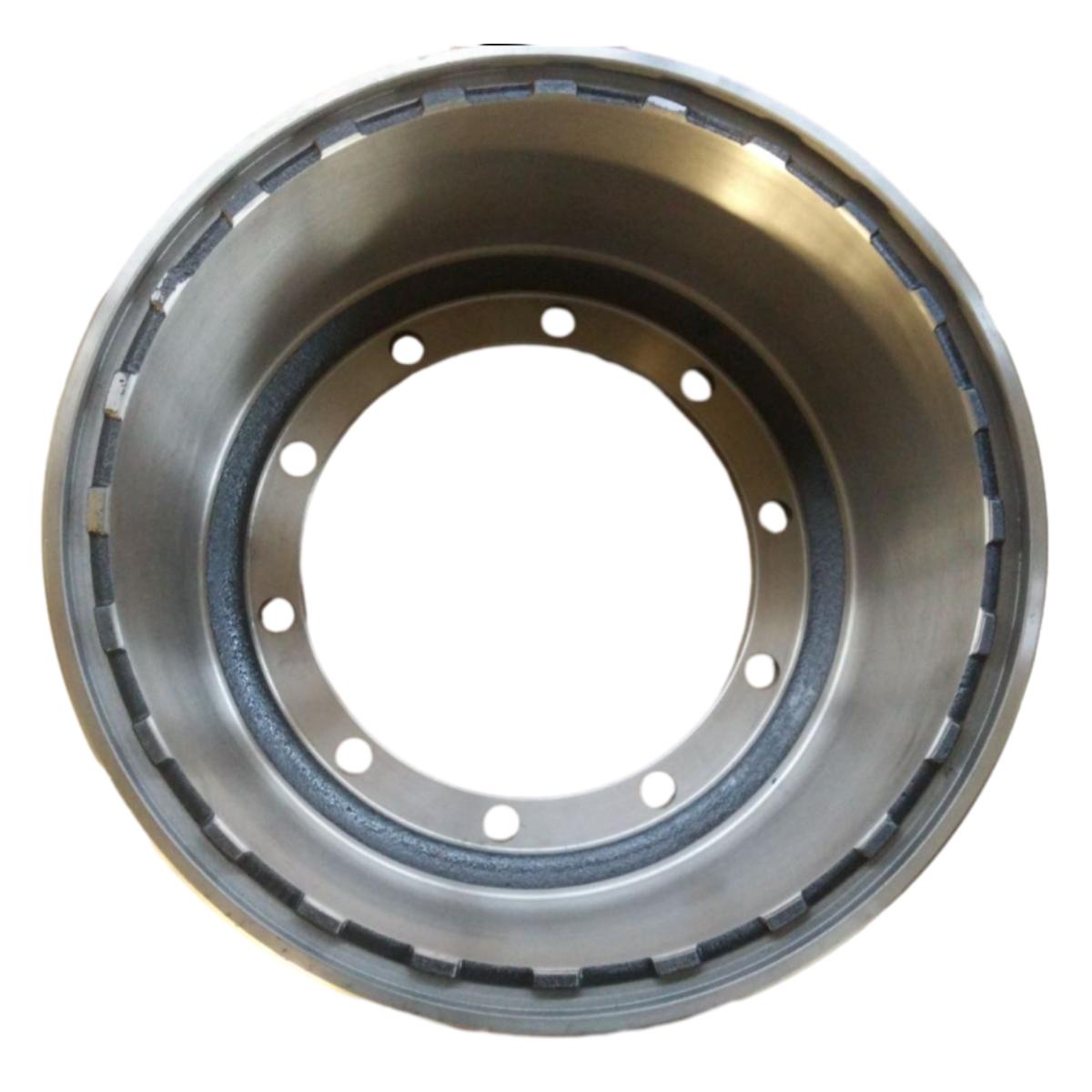
Drum brakes sticking when hot is a prevalent issue in automotive and heavy machinery applications, leading to reduced braking efficiency, increased wear, and potential safety hazards. This technical guide provides an in-depth analysis of the underlying causes, material considerations, manufacturing tolerances, performance characteristics, failure modes, and preventative maintenance strategies associated with this phenomenon. The drum brake system, though increasingly replaced by disc brakes in front axle applications, remains dominant in rear axle configurations, particularly in commercial vehicles and parking brake systems, making understanding its operational complexities crucial for engineers, technicians, and procurement specialists. The core performance of a drum brake relies on the controlled friction between the brake shoes and the inner surface of the drum, a process heavily influenced by thermal expansion, material compatibility, and the effective dissipation of generated heat. This document will dissect these elements to provide a comprehensive understanding of the issue and effective mitigation techniques.
Material Science & Manufacturing
The primary materials involved in drum brake systems significantly contribute to the propensity for sticking when heated. Brake drums are commonly manufactured from gray cast iron (ASTM A48 Class 30) due to its high thermal conductivity, good wear resistance, and relatively low cost. However, variations in graphite flake size and distribution within the cast iron matrix directly impact thermal expansion characteristics. Brake shoes are typically constructed from woven or sintered metallic friction materials bonded to steel backing plates. The friction material composition, often a blend of iron powder, copper fibers, graphite, and various friction modifiers, dictates the coefficient of friction and thermal stability.
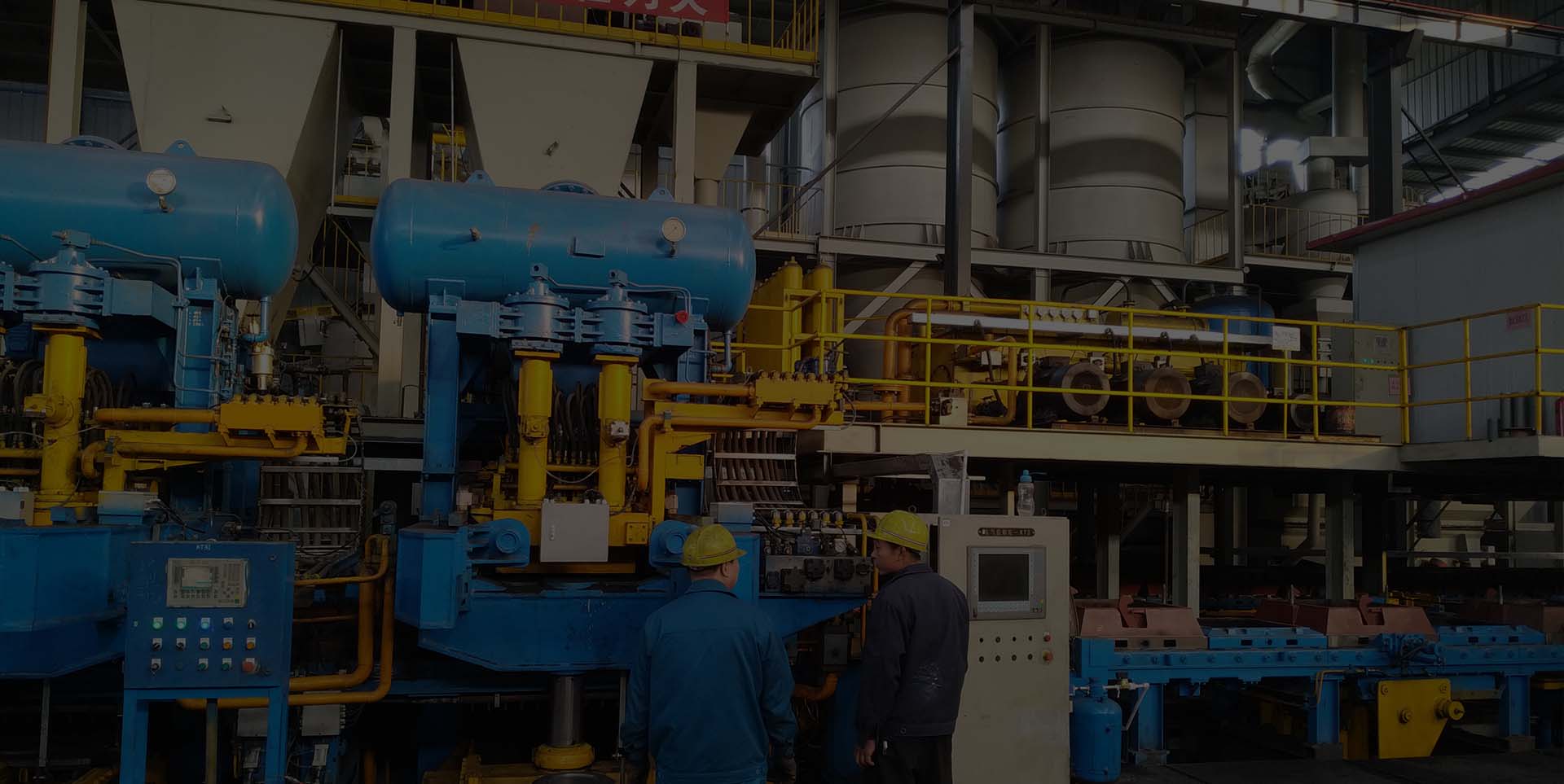
Manufacturing processes play a critical role. Drum casting requires precise control of cooling rates to prevent residual stresses and ensure uniform microstructure. Brake shoe manufacturing involves precise mixing of friction material components, followed by hot pressing or weaving. Key parameters include resin binder content (for woven shoes), sintering temperature and pressure (for sintered shoes), and bonding agent adhesion strength between the friction material and steel backing plate. Furthermore, the machining of the drum’s inner surface to achieve proper concentricity and surface finish is paramount. Excessive runout or a rough surface finish can lead to uneven friction distribution and localized heat buildup. Dimensional tolerances for both the drum and shoes are governed by industry standards (SAE J1147), and deviations can exacerbate sticking issues. The application of corrosion inhibitors during manufacturing is also essential to prevent rust formation, which can increase friction and contribute to sticking.
Performance & Engineering
The sticking phenomenon is fundamentally a thermal-mechanical problem. As the drum brake operates, kinetic energy is converted into thermal energy through friction. The drum and shoes heat up, causing thermal expansion. Gray cast iron has a relatively high coefficient of thermal expansion (approximately 12 x 10-6/°C). If the shoes expand at a greater rate than the drum’s inner diameter, contact between the shoes and the drum increases, leading to drag and potential sticking. Furthermore, uneven heating across the drum face can induce warping and localized expansion, intensifying the problem.
Engineering considerations include the brake system’s hydraulic pressure, spring force, and adjuster mechanism. Insufficient hydraulic pressure can result in incomplete release of the brake shoes. Weak or damaged return springs can fail to retract the shoes adequately after braking, maintaining contact with the drum. A malfunctioning adjuster mechanism can lead to excessive clearance or, conversely, insufficient clearance, contributing to sticking. Force analysis must account for the frictional forces, hydraulic forces, spring forces, and inertial forces acting on the brake components. Finite element analysis (FEA) is frequently used to model thermal stress distribution and predict potential deformation under braking conditions. Compliance requirements, such as those outlined in FMVSS 105 (Federal Motor Vehicle Safety Standard 105 in the US) and ECE Regulation 13 (Europe), mandate specific braking performance criteria, including release time and drag force, which are directly affected by sticking issues.
Technical Specifications
| Parameter | Typical Value (Drum Brake) | Unit | Impact on Sticking |
|---|---|---|---|
| Drum Material | Gray Cast Iron (ASTM A48 Class 30) | - | High thermal expansion can contribute to sticking. |
| Shoe Friction Material | Sintered Metallic/Non-Asbestos Organic | - | Coefficient of friction and thermal stability influence sticking. |
| Drum Inner Diameter | 203 - 406 | mm | Dimensional tolerances directly affect clearance and sticking. |
| Shoe Width | 30 - 50 | mm | Wider shoes generate more heat, increasing expansion. |
| Coefficient of Friction (µ) | 0.25 - 0.40 | - | Higher µ generates more heat and increases the risk of sticking. |
| Thermal Expansion Coefficient (Cast Iron) | 12 x 10-6 | /°C | Higher coefficient leads to greater expansion and potential contact. |
Failure Mode & Maintenance
Several failure modes can contribute to drum brakes sticking when hot. Fatigue cracking of the brake shoes, particularly around the attachment points, can lead to uneven friction distribution and sticking. Delamination of the friction material from the steel backing plate reduces braking effectiveness and generates debris that can exacerbate sticking. Thermal degradation of the friction material, caused by excessive heat, alters its frictional properties and can create a glazed surface, increasing drag. Oxidation of the drum’s inner surface, resulting from corrosion, increases friction and reduces clearance. Warping of the drum, due to uneven heating or mechanical stress, causes inconsistent contact between the shoes and the drum.
Preventative maintenance is crucial. Regular inspection of the brake shoes for wear and damage, including cracking and delamination, is essential. Lubrication of the pivot points and adjuster mechanism with high-temperature brake grease reduces friction and ensures smooth operation. Periodic cleaning of the drum’s inner surface to remove rust, dust, and debris minimizes friction. Resurfacing or replacement of the drum if it exhibits significant wear or warping is often necessary. Adjusting the brake shoe clearance to the manufacturer’s specifications ensures optimal performance and prevents sticking. Furthermore, inspecting and replacing worn or damaged return springs is critical for ensuring complete brake release. Monitoring brake temperature during operation can provide early warning signs of overheating and potential sticking issues.
Industry FAQ
Q: What is the primary cause of drum brakes sticking after repeated heavy braking?
A: The primary cause is thermal expansion. Repeated heavy braking generates significant heat, causing the drum and shoes to expand. If the expansion rates differ or the clearances are insufficient, the shoes can bind against the drum, leading to sticking. Friction material degradation and drum warping can also contribute.
Q: How does the friction material composition affect the tendency for drum brakes to stick when hot?
A: Friction material with a high coefficient of friction generates more heat. Materials with poor thermal stability are more prone to glazing and degradation at high temperatures, increasing drag. The choice of binder and filler materials impacts the material’s thermal expansion characteristics.
Q: What maintenance procedures can minimize the risk of drum brakes sticking?
A: Regular inspections for wear, lubrication of pivot points and the adjuster mechanism, cleaning of the drum’s inner surface, proper brake shoe adjustment to maintain optimal clearance, and replacement of worn return springs are essential.
Q: Is drum warping a common cause of sticking, and how can it be detected?
A: Yes, drum warping is a significant contributor. It can be detected through visual inspection for scoring or uneven wear patterns on the drum’s inner surface, as well as using a dial indicator to measure runout during drum rotation.
Q: What are the safety implications of driving with drum brakes that are sticking?
A: Sticking drum brakes can lead to reduced braking efficiency, increased stopping distances, uneven braking force distribution, potential wheel lockup, and overheating, which can result in brake failure. This poses a significant safety hazard.
Conclusion
The issue of drum brakes sticking when hot is a complex interplay of material science, manufacturing precision, thermal dynamics, and mechanical engineering principles. Understanding the factors that contribute to this phenomenon—including thermal expansion, friction material characteristics, manufacturing tolerances, and component degradation—is crucial for effective diagnosis and mitigation. Proper material selection, rigorous quality control during manufacturing, and diligent preventative maintenance practices are essential to ensure reliable and safe operation of drum brake systems.
Future advancements in brake technology may involve the development of friction materials with improved thermal stability and reduced thermal expansion coefficients. Advanced monitoring systems capable of detecting early signs of overheating or sticking could provide proactive warnings and prevent catastrophic failures. Continued research and development in drum brake design and manufacturing will be critical to address the challenges associated with this enduring braking technology.