
Introduction
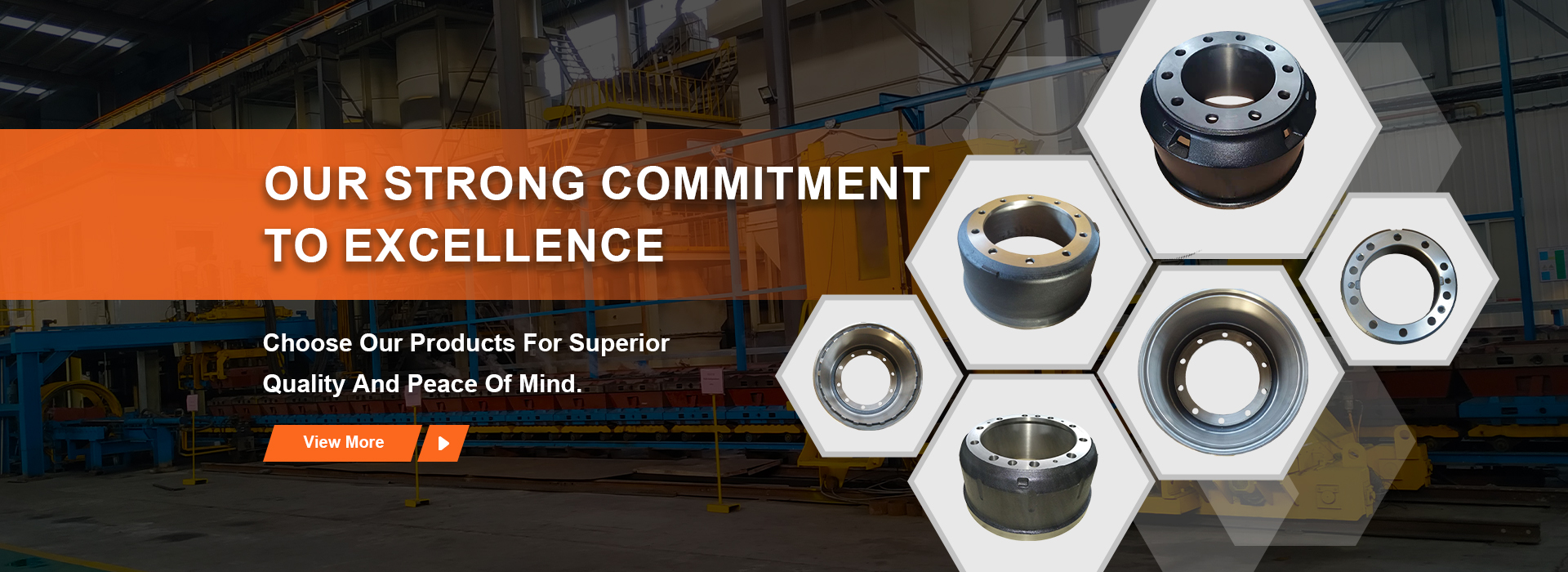
Drum brakes, while progressively replaced by disc brakes in front axle applications, remain prevalent in rear axle systems of many vehicles, particularly trucks, SUVs, and older vehicle models. Their cost-effectiveness and adequate stopping power for rear-wheel applications contribute to their continued use. This technical guide provides an in-depth analysis of drum brake replacement costs, encompassing component pricing, labor estimates, contributing factors to cost variation, material science considerations, potential failure modes, and relevant industry standards. The replacement cost for drum brakes is significantly influenced by the vehicle's make and model, geographic location, and the extent of damage. Understanding these factors is critical for accurate budgeting and informed maintenance decisions. This guide is aimed at automotive technicians, fleet managers, procurement professionals, and vehicle owners seeking a comprehensive understanding of the economic and technical aspects of drum brake service.
Material Science & Manufacturing
Drum brakes are constructed from several key materials, each with specific properties impacting performance and durability. The brake drum itself is typically manufactured from gray cast iron (ASTM A48 Class 30) due to its excellent heat absorption, wear resistance, and machinability. The cast iron’s carbon content, typically 2.5-4%, contributes to its damping capacity, reducing noise and vibration. Brake shoes are fabricated from steel, often coated with friction material. This friction material is a composite, traditionally asbestos-based, but now predominantly organic, semi-metallic, or ceramic formulations. Organic materials offer quiet operation and reduced rotor wear, while semi-metallic compounds provide higher friction coefficients and better heat dissipation. Ceramic materials are known for low dust production and long life. Springs within the drum brake assembly – return springs, hold-down springs – are typically manufactured from high-carbon spring steel (SAE 675) to provide the necessary elastic force. Wheel cylinders utilize ductile iron or aluminum alloys for housings, while pistons are typically steel. Manufacturing processes include casting for the drum and cylinder housings, stamping and forming for shoes and springs, and sintering or bonding for the friction material application. Precise machining tolerances are crucial for proper brake function; drum surfaces are typically turned to achieve a consistent diameter and surface finish, critical for even pad contact. Heat treatment processes are employed to enhance the hardness and wear resistance of critical components.
Performance & Engineering
The performance of drum brakes is fundamentally based on the principle of friction converting kinetic energy into thermal energy. Engineering analysis focuses on optimizing this process to achieve efficient and reliable braking. Force analysis considers the shoe-to-drum contact area, the coefficient of friction of the brake lining material, and the hydraulic pressure applied by the wheel cylinder. The self-energizing effect in drum brakes, where a portion of the braking force is amplified by the drum’s rotation, is a key engineering consideration. This effect increases braking efficiency but also contributes to uneven wear. Environmental resistance is crucial, particularly corrosion prevention. Brake components are exposed to moisture, road salt, and other corrosive elements, necessitating protective coatings like zinc plating or powder coating. Compliance with safety standards, such as FMVSS 105 in the United States and ECE Regulation 13 in Europe, dictates performance requirements for braking systems, including stopping distance, brake fade resistance, and parking brake functionality. Proper brake shoe adjustment is vital to maintain optimal contact and prevent excessive wear or dragging. Heat dissipation is a significant engineering challenge; excessive heat buildup can lead to brake fade and reduced braking performance. Venting and material selection are key strategies for mitigating this issue. Finite element analysis (FEA) is frequently employed in the design process to optimize component geometry and predict stress distribution under various loading conditions.
Technical Specifications
| Component | Typical Material | Typical Cost (USD) - Parts Only | Typical Labor Time (Hours) |
|---|---|---|---|
| Brake Drum | Gray Cast Iron (ASTM A48) | $30 - $80 | 0.5 - 1.0 |
| Brake Shoes (Pair) | Steel with Organic/Semi-Metallic/Ceramic Lining | $20 - $60 | 0.5 - 1.0 |
| Wheel Cylinder (Each) | Ductile Iron/Aluminum Alloy | $25 - $75 | 0.25 - 0.5 |
| Brake Hardware Kit | Spring Steel, Stainless Steel | $10 - $30 | 0.25 - 0.5 |
| Brake Fluid (Per Gallon) | Glycol Ether Based (DOT 3/DOT 4) | $15 - $30 | 0.1 - 0.2 (for bleeding) |
| Total (Parts & Labor - Estimated) | N/A | $100 - $350 (Per Axle) | 2.0 - 4.0 |
Failure Mode & Maintenance
Drum brake failure modes are diverse and often interrelated. Fatigue cracking in the brake drum, particularly around bolt holes or stress concentration points, can lead to catastrophic failure. Corrosion, accelerated by road salt and moisture, weakens brake components, increasing the risk of cracking or seizure. Brake shoe delamination, where the friction material separates from the steel backing plate, reduces braking effectiveness and can damage the drum. Wheel cylinder leaks, caused by corrosion or seal failure, result in hydraulic pressure loss and diminished braking power. Grease contamination of the brake linings significantly reduces the coefficient of friction, leading to brake fade. Overheating causes brake fade due to the reduction in the friction coefficient and potential warping of the brake drum. Improper adjustment leads to either excessive wear or dragging brakes, both impacting performance and lifespan. Maintenance involves regular inspection for wear, corrosion, and leaks. Brake shoe replacement is necessary when the friction material reaches its minimum thickness. Drum resurfacing or replacement is required if the drum is warped or scored beyond acceptable limits. Wheel cylinder replacement is essential in case of leaks. Periodic brake fluid flushing prevents corrosion and maintains optimal hydraulic performance. Proper lubrication of moving parts, avoiding grease contamination of the linings, is critical for smooth operation and long life.
Industry FAQ
Q: What is the typical lifespan of drum brakes?
A: The lifespan of drum brakes varies considerably depending on driving conditions and maintenance. Typically, brake shoes last between 25,000 and 50,000 miles. Brake drums can last significantly longer, often exceeding 75,000 miles, but require periodic inspection and resurfacing.
Q: Is it always necessary to replace the brake drum when replacing the shoes?
A: Not necessarily. If the drum is within specifications for diameter and runout, and exhibits no significant scoring or heat checking, it can often be resurfaced. However, if the drum is severely worn or damaged, replacement is recommended.
Q: What are the signs that drum brakes need to be replaced?
A: Common signs include squealing or grinding noises during braking, reduced braking performance, a spongy brake pedal, and visual inspection revealing worn brake shoes or a damaged drum.
Q: What is the difference between organic, semi-metallic, and ceramic brake shoes?
A: Organic shoes are quieter and generate less dust, but have lower friction coefficients and wear faster. Semi-metallic shoes offer better stopping power and heat dissipation but are noisier and produce more dust. Ceramic shoes provide a balance of performance, low dust, and long life.
Q: How much does brake fluid affect drum brake performance?
A: Brake fluid is crucial. Contaminated or old brake fluid can corrode the wheel cylinder, reducing hydraulic pressure and braking efficiency. Maintaining the correct brake fluid level and regularly flushing the system is vital.
Conclusion
The replacement cost of drum brakes is a complex calculation influenced by component pricing, labor rates, vehicle specifics, and the extent of necessary repairs. A thorough understanding of the material science behind drum brake construction, coupled with an awareness of common failure modes, is essential for effective maintenance and cost management. Proper inspection and preventative maintenance, including regular brake fluid flushes and brake shoe adjustments, can significantly extend the lifespan of drum brake systems and minimize the frequency of costly replacements.
Looking ahead, advancements in friction material technology and brake system design are expected to further refine drum brake performance and durability. The ongoing shift towards lighter materials and improved corrosion resistance will contribute to longer service intervals and reduced maintenance requirements. Continued adherence to industry standards and best practices remains paramount for ensuring safe and reliable braking performance across all vehicle platforms.