

Introduction
Drum brakes, while increasingly supplanted by disc brakes in many applications, remain prevalent in heavy-duty vehicles, parking systems, and certain cost-sensitive designs. Their operation relies on a fundamental principle – the multiplication of applied force through the leverage created by the brake shoe pivot point and the drum’s internal diameter. This 'self-multiplying effect' significantly enhances braking torque relative to the force exerted by the driver's foot pedal. Understanding this mechanism requires a detailed examination of the components, materials, and underlying physics governing drum brake performance. This guide provides an in-depth technical analysis of drum brake operation, focusing on the principles behind force multiplication, material considerations, performance characteristics, potential failure modes, and relevant industry standards. The core pain point addressed is ensuring consistent and reliable braking performance under varying load conditions and environmental stresses, vital for safety and operational efficiency in industrial applications.
Material Science & Manufacturing
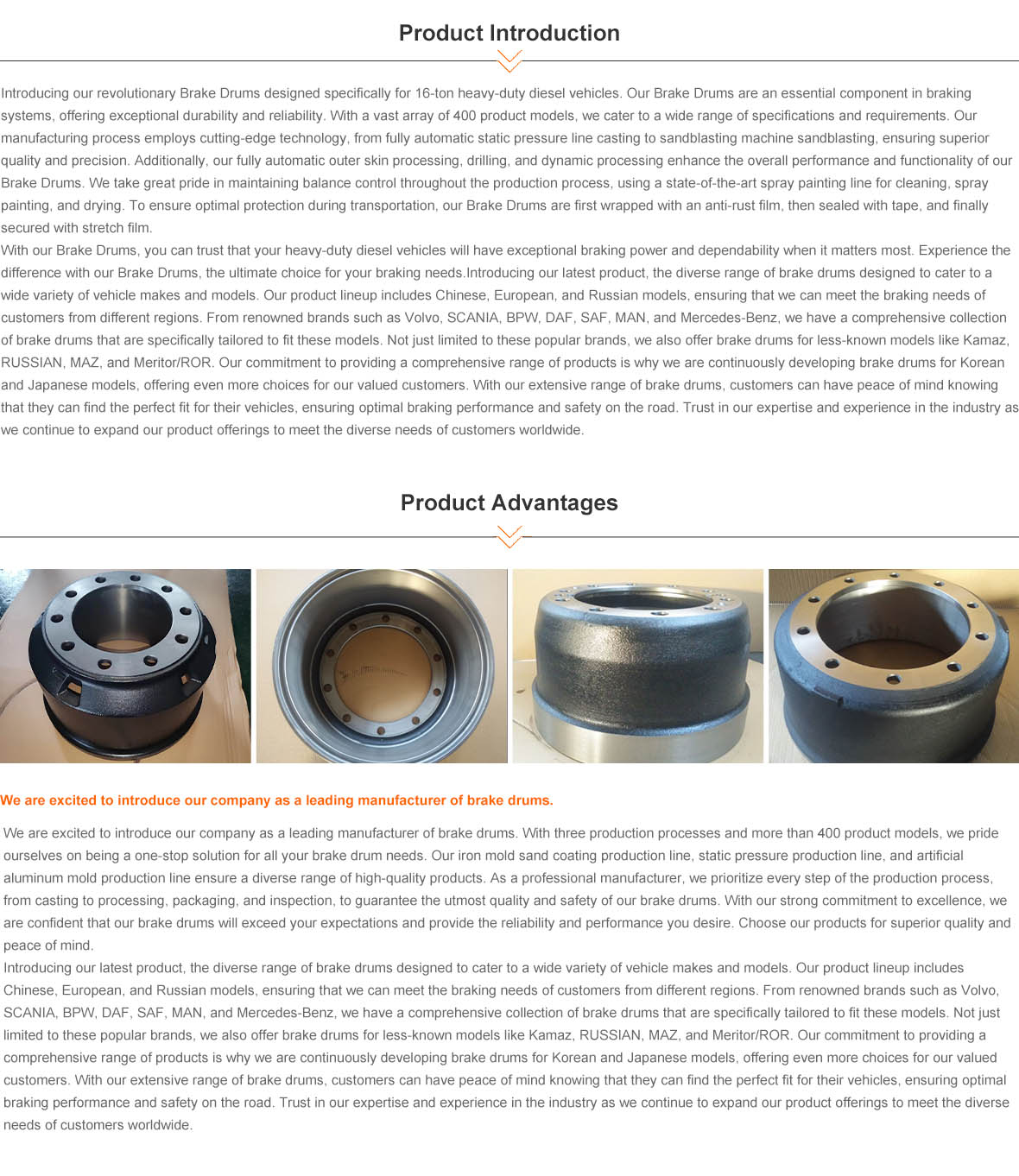
The core components of a drum brake – the brake drum, brake shoes, and friction lining – necessitate careful material selection. Brake drums are commonly constructed from grey cast iron due to its excellent heat capacity, wear resistance, and machinability. The specific grade of cast iron (e.g., ASTM A48 Class 30) is chosen based on the anticipated thermal loading and service life. The manufacturing process typically involves sand casting, followed by machining to achieve precise dimensions and surface finish. Maintaining a smooth, concentric drum surface is critical for even friction lining contact. Brake shoes are typically steel stampings, providing structural support. Critical is the bonding process of the friction lining to the shoe. This is achieved through a thermosetting resin adhesive, often phenolic resin based, cured under heat and pressure. The friction lining itself is a composite material, typically consisting of organic or semi-metallic compounds. Organic linings, comprising fibers (aramid, cellulose, etc.) embedded in a resin matrix, offer quieter operation but lower heat resistance. Semi-metallic linings incorporate steel wool or other metallic particles for enhanced friction and heat dissipation. Manufacturing tolerances for shoe width and curvature directly impact braking performance and lining wear. Quality control measures include destructive testing of bonded assemblies to verify bond strength and chemical analysis of the friction material to ensure compositional consistency. Surface treatments, such as phosphate coating on the steel shoes, are employed to enhance adhesion and corrosion resistance.
Performance & Engineering
The self-multiplying effect in drum brakes arises from the mechanical advantage created by the brake shoe’s geometry. When the brake pedal is applied, the wheel cylinder exerts a force on the brake shoes. The shoe pivots around its fulcrum, and the force component perpendicular to the drum’s inner surface generates the braking force. The distance from the fulcrum to the contact point with the drum is significantly larger than the distance from the fulcrum to the point where the wheel cylinder applies force. This lever arm ratio amplifies the applied force. The exact multiplication factor is determined by the ratio of the effective radius of the drum to the distance from the shoe pivot point to the wheel cylinder piston. A more detailed analysis involves calculating the friction force developed at the lining-drum interface. This force is proportional to the normal force (determined by the wheel cylinder force and lever arm) and the coefficient of friction between the lining and drum materials. Furthermore, the braking torque is calculated as the product of the friction force and the drum radius. Environmental factors significantly impact performance. Moisture reduces the coefficient of friction and promotes corrosion. High temperatures can lead to brake fade, where the friction coefficient decreases due to the degradation of the lining material. Engineering considerations include optimizing shoe width and arc of contact to maximize friction surface area. Adjustments for thermal expansion must be made to maintain consistent braking force. Compliance requirements, such as those defined by FMVSS 105 (Federal Motor Vehicle Safety Standard 105) in the US, mandate minimum braking performance levels for vehicle classes.
Technical Specifications
| Parameter | Typical Value (Light Vehicle) | Typical Value (Heavy Vehicle) | Unit |
|---|---|---|---|
| Drum Diameter | 203 | 320 | mm |
| Shoe Width | 35 | 50 | mm |
| Friction Lining Thickness (New) | 4 | 6 | mm |
| Wheel Cylinder Bore Diameter | 19 | 25 | mm |
| Static Friction Coefficient (Lining/Drum) | 0.3 - 0.4 | 0.35 - 0.45 | - |
| Dynamic Friction Coefficient (Lining/Drum) | 0.2 - 0.3 | 0.25 - 0.35 | - |
Failure Mode & Maintenance
Drum brake failure modes are diverse. Fade results from excessive heat buildup, reducing friction. This is often caused by prolonged heavy braking. Grab occurs when one shoe applies more force than the other, leading to uneven wear and potential wheel lockup; frequently linked to contamination or improper adjustment. Scoring – grooves on the drum or lining – indicates abrasive wear, often due to debris ingestion. Cracking of the drum can occur from thermal stress or impact. Bond failure of the friction lining is a critical concern. This can result in complete loss of braking force on that wheel. Regular maintenance is crucial. This includes inspection of the drum for scoring and cracks, checking lining thickness (minimum acceptable thickness varies by manufacturer, generally 1.5-2mm), adjusting the brake shoe clearance (typically 0.25-0.5mm), and lubricating pivot points. Wheel cylinder leaks necessitate replacement of the cylinder and potentially the brake shoes. Resurfacing the drum is possible, but limited by thickness. When resurfacing, maintaining concentricity is paramount. When replacing linings, proper bedding-in procedures are essential to maximize friction and minimize noise. This involves a series of moderate stops to transfer friction material to the drum surface. Ignoring early warning signs, such as squealing noises or reduced braking performance, can lead to catastrophic failure.
Industry FAQ
Q: What is the primary advantage of drum brakes over disc brakes in heavy-duty applications?
A: Drum brakes generally offer greater frictional torque capacity for a given size compared to disc brakes, particularly in self-energizing configurations. This translates to increased stopping power for heavier loads. They are also typically less expensive to manufacture and maintain, contributing to lower total cost of ownership.
Q: How does the self-energizing effect influence brake performance during hard braking?
A: The self-energizing effect significantly enhances braking torque during hard braking. As the brake shoes rotate with the drum, the friction force creates a rotational force that pulls the shoes more tightly against the drum, amplifying the braking effect. This reduces pedal effort and improves stopping distance.
Q: What are the critical material properties required for the friction lining in a drum brake?
A: The friction lining requires a high coefficient of friction, good wear resistance, adequate heat resistance, and structural integrity. It must also be compatible with the drum material to minimize abrasive wear and prevent lining degradation. The material must also exhibit consistent frictional properties across a range of temperatures and pressures.
Q: What steps can be taken to mitigate brake fade in drum brake systems?
A: Mitigation strategies include selecting friction linings with higher heat resistance, ensuring adequate drum ventilation (e.g., vented drums), and avoiding prolonged heavy braking. Regular inspection and replacement of worn components, as well as proper adjustment of the brake shoes, are also vital.
Q: How does drum eccentricity affect braking performance and what tolerance is acceptable?
A: Drum eccentricity, or out-of-roundness, leads to uneven lining contact and reduced braking efficiency. It can also cause brake squeal and premature wear. Acceptable tolerances are typically within 0.05-0.1 mm total indicator reading (TIR). Significant eccentricity requires drum resurfacing or replacement.
Conclusion
The drum brake, despite facing competition from disc brake technology, remains a viable and effective braking solution, particularly in specific applications where cost, torque capacity, and simplicity are paramount. The self-multiplying effect, resulting from the mechanical advantage inherent in the shoe and drum geometry, is central to its operational principle. Optimizing material selection, manufacturing processes, and regular maintenance are critical for maximizing performance and ensuring reliability.
Future developments in drum brake technology may focus on improved friction materials capable of operating at higher temperatures, advanced drum designs incorporating enhanced heat dissipation features, and automated adjustment systems to maintain optimal brake shoe clearance. Continued research and refinement will ensure the drum brake remains a relevant braking technology for the foreseeable future.