

Introduction
Drum brakes, while often associated with older vehicle designs and heavy-duty applications, are not exclusively used on trucks. The question of their prevalence across vehicle types is nuanced, rooted in a complex interplay of cost, performance characteristics, and evolving automotive engineering. This guide will detail the technical reasons behind the continued, albeit diminishing, use of drum brakes, examining their material composition, manufacturing processes, performance limitations, failure modes, and relevant industry standards. We’ll address why, despite the increasing dominance of disc brakes, drum brakes retain a foothold, particularly in commercial vehicle sectors and specific passenger vehicle applications. The core performance characteristics of drum brakes relate to their self-energizing action, providing a significant mechanical advantage; however, they suffer from limitations in heat dissipation and susceptibility to brake fade, aspects that will be explored in detail.
Material Science & Manufacturing
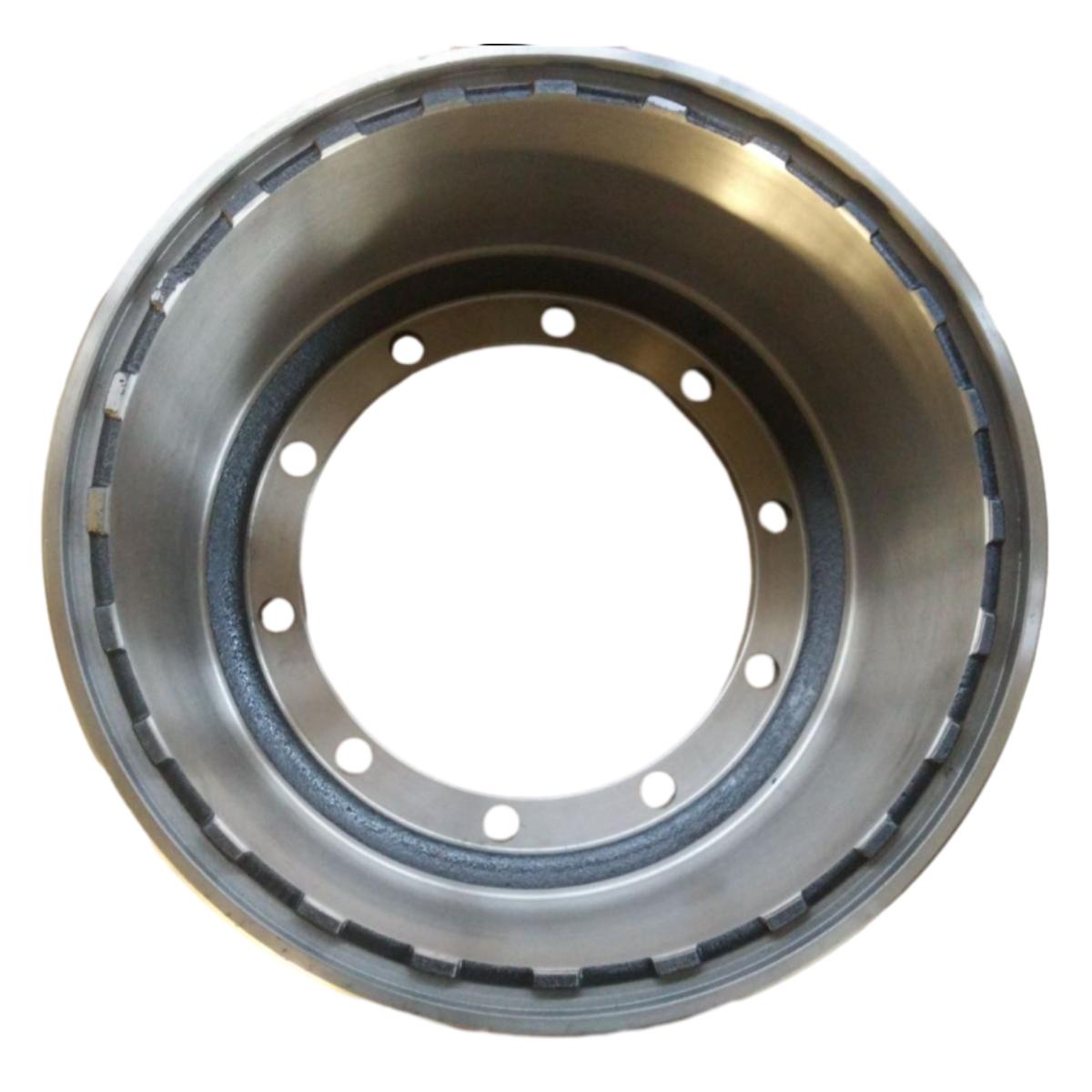
The primary materials used in drum brake construction are cast iron for the brake drum itself, and varying compositions of ferrous materials for the brake shoes. Cast iron, specifically gray cast iron (ASTM A48 Class 30), is favored for its thermal conductivity and wear resistance. The casting process typically involves sand casting, although centrifugal casting is also employed for larger drums to enhance density and reduce porosity. Brake shoes are commonly made from woven or sintered metallic materials. Woven shoes consist of a steel backing plate bonded with interwoven brass or steel wire, providing a balance of friction and durability. Sintered metallic shoes, produced through powder metallurgy, offer higher friction coefficients and improved performance at elevated temperatures, but are more costly. The manufacturing process of brake shoes involves pressing the friction material onto the shoe core, followed by curing and machining to precise dimensions. Critical parameters during manufacturing include the graphite flake size and distribution within the cast iron, as these directly impact wear characteristics and thermal shock resistance. Furthermore, the bonding strength between the friction material and the shoe core is crucial, frequently assessed through shear strength testing. Surface finishing of the drum involves turning and grinding to achieve the specified surface roughness (Ra) which impacts friction coefficient and bedding-in performance.
Performance & Engineering
Drum brake performance is fundamentally governed by the principle of self-energizing action. As the brake shoes rotate with the drum, the leading shoe experiences a greater frictional force due to the drum’s rotation, enhancing braking efficiency. However, this also contributes to uneven wear between the leading and trailing shoes. Engineering analysis focuses on optimizing the shoe profile and drum geometry to distribute braking force effectively and minimize wear differentials. Heat dissipation is a significant limitation. Brake drums, being enclosed systems, struggle to efficiently dissipate the heat generated during braking, leading to brake fade – a reduction in braking force due to the elevated temperatures. Finite element analysis (FEA) is utilized to model thermal stress distribution within the drum and identify potential hot spots. Material selection, drum fin design, and the inclusion of ventilation holes are employed to improve heat management. Compliance requirements dictate stringent testing protocols, including fade resistance tests (ISO 2660) and durability tests (ISO 2661). The lever ratio and hydraulic cylinder size are crucial engineering parameters, influencing braking force and pedal feel. Force analysis demonstrates that drum brakes can provide substantial stopping torque, but the consistent delivery of that torque under demanding conditions remains a challenge compared to disc brakes.
Technical Specifications
| Parameter | Typical Truck Drum Brake (Heavy Duty) | Typical Passenger Vehicle Drum Brake (Rear Axle) | Disc Brake (Comparison) |
|---|---|---|---|
| Drum Diameter (mm) | 320-410 | 203-280 | 300-360 (Rotor Diameter) |
| Drum Width (mm) | 76-150 | 40-60 | N/A |
| Friction Material | Sintered Metallic/Woven | Woven/Non-Asbestos Organic | Semi-Metallic/Ceramic |
| Maximum Operating Temperature (°C) | 350-400 | 300-350 | 400-600 |
| Coefficient of Friction (μ) | 0.35-0.45 | 0.30-0.40 | 0.40-0.55 |
| Weight (kg) | 8-15 | 3-6 | 5-8 (Per Corner) |
Failure Mode & Maintenance
Common failure modes in drum brakes include brake shoe wear, drum scoring, and hydraulic cylinder leaks. Brake shoe wear occurs due to frictional contact with the drum, exacerbated by abrasive particles and uneven loading. Drum scoring, characterized by circumferential grooves on the drum’s inner surface, results from contaminants or excessive wear. Hydraulic cylinder leaks lead to reduced braking force and can be caused by seal degradation or corrosion. A critical failure mode is brake fade, directly linked to overheating. Fatigue cracking can also occur in the drum material due to cyclical thermal stresses. Failure analysis reveals that improper adjustment, contaminated friction material, and prolonged exposure to harsh environments accelerate wear and degradation. Preventative maintenance involves regular inspection of brake shoe thickness, drum surface condition, and hydraulic lines. Adjustment of brake shoe clearance is crucial to maintain optimal braking performance. Resurfacing or replacement of the drum may be necessary if scoring is significant. Periodic bleeding of the hydraulic system removes air bubbles and ensures consistent pressure. Proper lubrication of moving parts, such as the self-adjuster mechanism, minimizes friction and extends component life. Corrosion prevention, particularly in areas exposed to road salt, is essential for long-term reliability.
Industry FAQ
Q: Why are drum brakes still used on the rear axles of some passenger vehicles?
A: Cost is a primary factor. Drum brakes are generally less expensive to manufacture and maintain than disc brakes. In rear axle applications where braking demands are lower than the front, the performance trade-offs associated with drum brakes are acceptable, particularly for budget-conscious vehicle models. Additionally, drum brakes incorporate a self-parking mechanism more easily than disc brakes, simplifying the design of the parking brake system.
Q: What are the limitations of drum brakes in high-performance driving scenarios?
A: The main limitation is heat dissipation. During aggressive braking, drum brakes are prone to overheating, leading to brake fade and reduced stopping power. The enclosed design hinders efficient heat transfer. Disc brakes, with their open design and better ventilation, are significantly more resistant to brake fade.
Q: How does the material composition of brake drums affect their performance and longevity?
A: Gray cast iron is the standard material, chosen for its thermal conductivity and wear resistance. Higher graphite content improves machinability but can reduce strength. Alloy additions, such as nickel and chromium, enhance strength and wear resistance. The manufacturing process (sand casting vs. centrifugal casting) impacts porosity and density, influencing thermal shock resistance and overall durability.
Q: What are the key considerations when specifying drum brakes for heavy-duty truck applications?
A: Durability and fade resistance are paramount. Heavy-duty drum brakes utilize thicker drums, more robust shoes, and enhanced cooling features. Sintered metallic friction materials are often preferred for their higher friction coefficients and improved performance at elevated temperatures. Regular maintenance and inspection are critical to prevent failures due to the demanding operating conditions.
Q: How do environmental factors impact the lifespan and performance of drum brakes?
A: Exposure to road salt, moisture, and extreme temperatures accelerates corrosion and wear. Road salt can penetrate the brake assembly and cause rust, leading to hydraulic cylinder leaks and reduced braking efficiency. Extreme temperatures can affect the friction material properties and cause thermal stress cracking. Regular cleaning and corrosion protection measures are essential to mitigate these effects.
Conclusion
Drum brakes, while declining in prevalence in many passenger vehicle applications, continue to serve a vital role in specific segments, particularly within the commercial vehicle industry. Their cost-effectiveness, inherent self-energizing action, and ease of integration with parking brake systems contribute to their continued use. However, their limitations in heat dissipation and susceptibility to brake fade necessitate careful engineering design and regular maintenance.
Future trends suggest continued refinement of drum brake technology, focusing on improved materials, enhanced cooling designs, and optimized friction materials. While disc brakes are likely to remain the dominant technology in high-performance applications, drum brakes will continue to offer a viable and cost-effective braking solution for vehicles where the demands on braking performance are less extreme. Ultimately, the choice between drum and disc brakes is a complex engineering decision, balanced by considerations of cost, performance, and application-specific requirements.