
Introduction
The question of whether drum brakes have wheel bearings is frequently misunderstood in automotive engineering. While not directly integrated within the drum brake assembly itself, wheel bearings are a critical supporting component of any wheel system, including those utilizing drum brakes. This guide details the relationship between drum brake systems and wheel bearings, exploring their individual functions, material compositions, manufacturing processes, performance considerations, potential failure modes, and relevant industry standards. Drum brakes rely on the wheel rotating around a central hub, and the wheel bearing facilitates this rotation with minimal friction. The wheel bearing supports the vehicle's weight and allows the wheel to turn freely, a function entirely separate from the braking action generated by the drum brake assembly. Misdiagnosis of system issues often arises from attributing brake noise or performance issues to the drum brake when the root cause lies within the wheel bearing. Understanding this distinction is paramount for accurate diagnostics and effective maintenance.
Material Science & Manufacturing
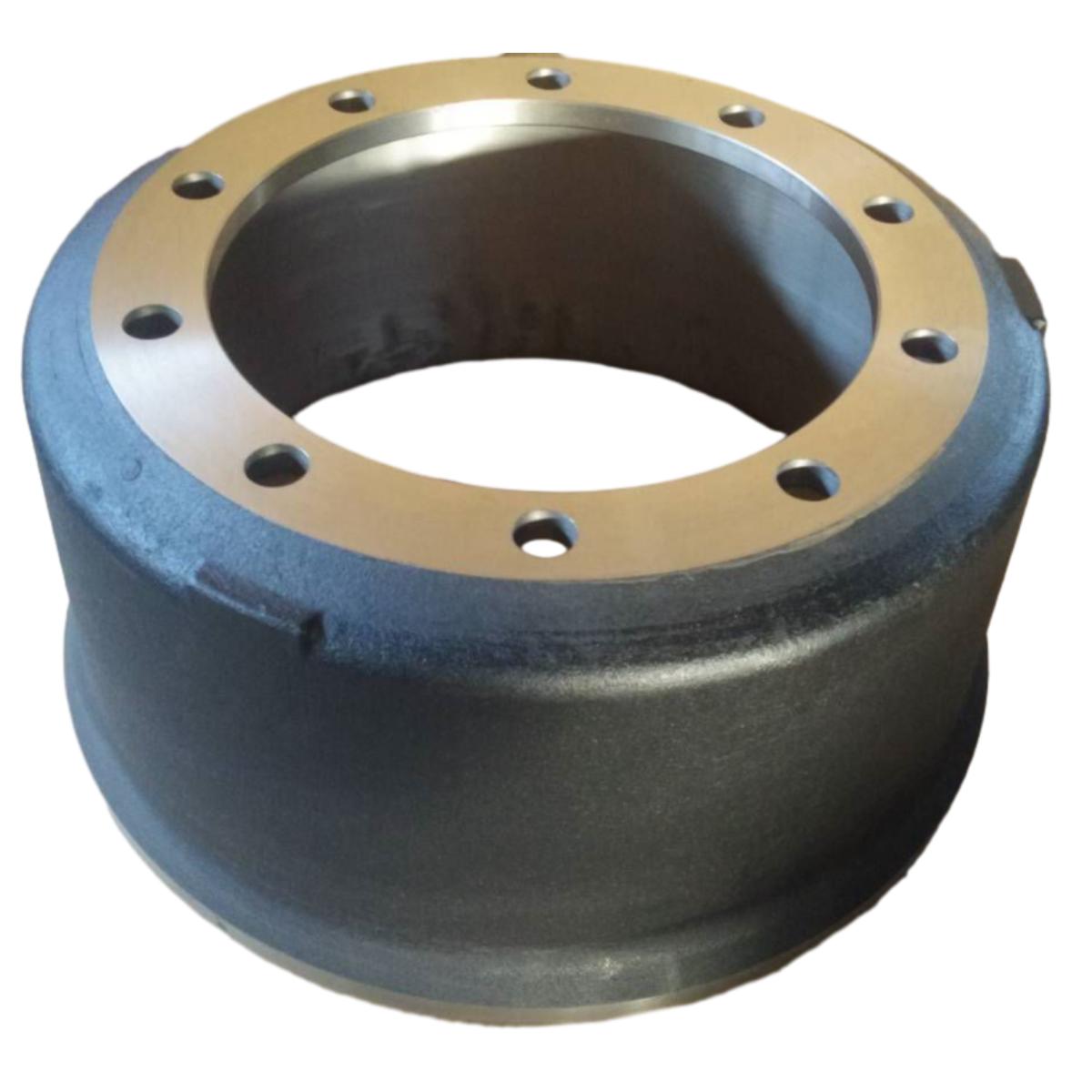
Wheel bearings used with drum brake systems are predominantly manufactured from high-strength bearing steel, typically AISI 52100. This steel alloy contains approximately 1% carbon, 1.5% silicon, 0.25% sulfur, and 1.5% chromium, providing excellent hardness, wear resistance, and fatigue life. Manufacturing begins with precise forging of the steel billet, followed by heat treatment processes including hardening, tempering, and stress relieving to achieve optimal mechanical properties. The bearing raceways are then precision ground to achieve extremely tight tolerances, critical for minimizing friction and ensuring smooth rotation. Lubrication plays a vital role; lithium-based grease is commonly used due to its high shear stability, resistance to water washout, and operating temperature range. Drum brake components themselves utilize a range of materials. The brake drum is often constructed from cast gray iron (ASTM A48 Class 30) owing to its excellent heat capacity and wear resistance. Brake shoes are typically made from woven organic materials, semi-metallic compounds, or non-asbestos organic (NAO) materials, chosen for their friction characteristics and thermal stability. The manufacturing of the drum involves casting, machining, and surface finishing to ensure proper fit and performance within the brake assembly. The interaction of these materials, the bearing steel and the cast iron drum, necessitates consideration of thermal expansion coefficients and potential galvanic corrosion if improper lubrication or sealing occurs.

Performance & Engineering
The performance of wheel bearings in drum brake systems is dictated by load capacity, speed capability, and operating temperature. Engineering analysis focuses on calculating bearing loads based on vehicle weight, acceleration, braking forces, and cornering forces. This load analysis dictates the required bearing size and configuration (e.g., single row, double row, tapered roller bearing). Finite element analysis (FEA) is routinely employed to optimize bearing geometry and minimize stress concentrations. The bearing preload is a critical parameter; insufficient preload leads to excessive clearances and noise, while excessive preload reduces bearing life and increases friction. Environmental resistance is also paramount. Wheel bearings are exposed to contaminants such as water, dirt, and road salt, necessitating robust sealing solutions. Lip seals made from nitrile rubber are commonly used, providing a barrier against ingress of contaminants while maintaining lubricant retention. Drum brakes, while effective, generate significant heat during braking. This heat can radiate outwards and influence the operating temperature of the wheel bearing. Proper ventilation and heat dissipation are therefore crucial to prevent bearing overheating and lubricant degradation. The braking torque applied by the drum brakes introduces radial forces on the wheel hub and, consequently, the wheel bearing. These forces need to be considered during bearing selection and mounting to ensure adequate load carrying capacity.
Technical Specifications
| Bearing Type | Drum Brake Drum Material | Bearing Steel Hardness (HRC) | Drum Brake Drum Tensile Strength (MPa) |
|---|---|---|---|
| Tapered Roller Bearing | Cast Gray Iron (ASTM A48 Class 30) | 58-62 | 220-280 |
| Ball Bearing (Smaller Vehicles) | Cast Gray Iron (ASTM A48 Class 25) | 55-60 | 200-250 |
| Double Row Angular Contact Bearing | Cast Iron with Copper Alloys | 60-64 | 250-320 |
| Bearing Load Rating (Static - kN) | Brake Shoe Friction Coefficient | 15-30 | 0.25-0.40 |
| Bearing Load Rating (Dynamic - kN) | Drum Brake Operating Temperature (°C) | 20-40 | 50-300 |
| Seal Material | Lubricant Type | Nitrile Rubber | Lithium-Based Grease |
Failure Mode & Maintenance
Wheel bearings supporting drum brake systems are susceptible to several failure modes. Common issues include fatigue spalling, caused by repeated loading and unloading, leading to localized cracking and material removal. Contamination ingress introduces abrasive particles into the bearing, accelerating wear and reducing its lifespan. Corrosion, particularly from road salt exposure, can degrade the bearing steel and lead to premature failure. Improper installation, such as excessive hammering or misalignment, can induce stress concentrations and shorten bearing life. Drum brake failures often manifest as uneven shoe wear, drum warping, or brake fade. While these aren't direct bearing failures, they can induce excessive vibration and loads on the wheel bearing, exacerbating existing issues. Maintenance procedures include regular inspection of the wheel bearing for play or noise, lubricating the bearing with the correct grease type, and ensuring proper sealing. If a wheel bearing exhibits signs of failure, replacement is typically recommended rather than repair. Preventive maintenance also involves periodic tightening of wheel lug nuts to the specified torque to ensure proper clamping force and minimize bearing stress. A thorough wheel balance is also crucial to minimize dynamic loads on the bearing during vehicle operation.
Industry FAQ
Q: What are the primary symptoms of a failing wheel bearing that might be mistaken for a drum brake issue?
A: Common symptoms include a roaring or grinding noise that changes with vehicle speed, a clicking or popping sound during turns, and wheel wobble. These symptoms can easily be confused with drum brake squeal or pulsating brake pedal feel, emphasizing the importance of proper diagnosis.
Q: How does the material composition of the drum brake drum influence the performance of the wheel bearing?
A: Cast iron drums have a high thermal mass, meaning they absorb a significant amount of heat during braking. This heat can radiate outwards to the wheel bearing, potentially increasing its operating temperature. Materials with better thermal conductivity can help mitigate this effect, though cost and manufacturing complexity increase.
Q: What is the recommended maintenance interval for wheel bearing inspection and lubrication in vehicles with drum brakes?
A: Inspection should be performed during routine tire rotations, approximately every 8,000-10,000 miles. Lubrication intervals vary depending on the vehicle manufacturer's recommendations, but generally, wheel bearings are sealed and do not require periodic relubrication unless they are repacked during a rebuild.
Q: Can improper drum brake adjustment lead to premature wheel bearing failure?
A: Yes. If the drum brakes are excessively tight, they can create drag on the wheel, increasing the load on the wheel bearing and accelerating wear. Conversely, loose drum brakes can cause excessive vibration, also impacting bearing life.
Q: What role does wheel bearing preload play in the overall performance and longevity of the system when paired with drum brakes?
A: Proper wheel bearing preload is crucial. Insufficient preload can lead to excessive clearance and noise, while excessive preload can generate heat and reduce bearing life. The preload must be set to the manufacturer’s specifications during installation to ensure optimal performance and longevity.
Conclusion
In conclusion, while drum brakes do not incorporate wheel bearings within their assembly, wheel bearings are an indispensable supporting component, facilitating wheel rotation and bearing the vehicle’s weight. Understanding the interaction between these two systems – the heat transfer from the drum brake, the loading conditions during braking, and the importance of proper lubrication and maintenance – is critical for ensuring safe and reliable vehicle operation. Effective diagnosis requires differentiating between failures originating within the drum brake assembly versus the wheel bearing itself, preventing unnecessary repairs and ensuring optimal performance.
Future advancements in wheel bearing technology, such as the implementation of more advanced sealing materials and low-friction coatings, will further enhance the reliability and longevity of these critical components. Continued research into material science and manufacturing processes will drive improvements in both drum brake and wheel bearing performance, leading to safer, more efficient, and more durable automotive systems.