
Introduction
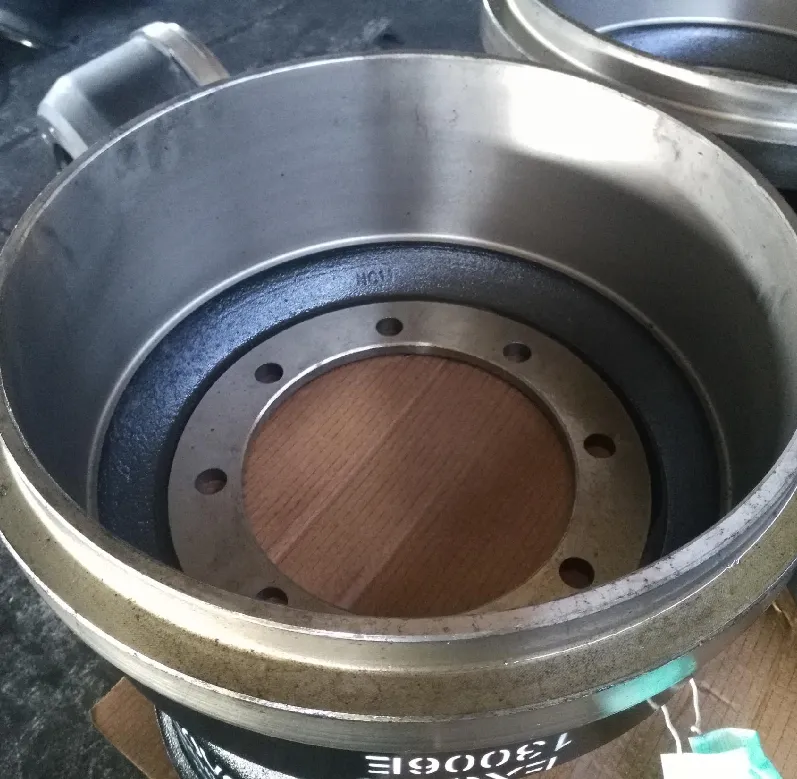
Drum brake to disc conversion kits represent a significant upgrade to braking systems, primarily found in older vehicles originally equipped with drum brakes. These kits replace the entire drum brake assembly – including the brake drum, shoes, wheel cylinders, and associated hardware – with disc brake components: a brake rotor, caliper, brake pads, and necessary mounting brackets. The technical position within the automotive aftermarket resides in performance enhancement and safety upgrades. Core performance improvements center around increased stopping power, improved heat dissipation, and enhanced resistance to brake fade, particularly under sustained and heavy braking conditions. This directly addresses common industry pain points such as reduced driver confidence in older vehicles and the inherent limitations of drum brake technology in demanding driving scenarios. The conversion inherently alters the vehicle’s unsprung weight distribution, impacting handling characteristics, and requires careful consideration of compatible master cylinder specifications.
Material Science & Manufacturing
The materials utilized in drum to disc conversion kits dictate their performance and longevity. Rotors are commonly constructed from grey cast iron (GC250, ASTM A48 Class 30) for its thermal conductivity and wear resistance, though higher-performance kits utilize carbon fiber-reinforced silicon carbide (C/SiC) composites for superior heat dissipation and reduced weight. Calipers are typically manufactured from aluminum alloys (6061-T6, EN-AW 6061) due to their lightweight properties and corrosion resistance, though ductile iron is used in more cost-effective applications. Brake pads consist of a friction material bonded to a steel backing plate. Friction materials vary widely, ranging from organic compounds for quiet operation and low dusting to semi-metallic compounds for increased bite and heat resistance, and ceramic compounds for low dust, noise, and consistent performance. Manufacturing processes include casting for rotors and calipers, forging for caliper pistons, and powder metallurgy for brake pad fabrication. Precise machining is crucial for rotor runout and caliper alignment, utilizing CNC lathes and milling machines. Mounting brackets are generally manufactured from steel (typically 1018 carbon steel, ASTM A36) through processes like laser cutting and welding. Welding parameters must be carefully controlled to maintain structural integrity and avoid distortion. Surface treatments, such as zinc coating, are applied to protect against corrosion. The quality of the friction material is paramount; the coefficient of friction must remain stable across a wide temperature range and under varying load conditions.

Performance & Engineering
The performance of a disc brake system, and therefore the effectiveness of the conversion kit, is governed by several engineering principles. Force analysis reveals that the stopping force is directly proportional to the clamping force applied by the caliper and the coefficient of friction between the pad and rotor. Heat dissipation is critical; disc brakes are significantly more efficient at dissipating heat than drum brakes due to the open design and direct exposure to airflow. This reduces the risk of brake fade, a phenomenon where braking performance degrades due to overheating. Environmental resistance is addressed through the use of corrosion-resistant materials and coatings. Salt spray testing (ASTM B117) is commonly employed to evaluate the durability of these protective measures. Compliance requirements, such as DOT (Department of Transportation) regulations, dictate the minimum performance standards for braking systems, including stopping distances and brake fade resistance. The hydraulic system must be appropriately matched to the new disc brake setup. The master cylinder bore size is a critical parameter; an incorrect bore size can result in insufficient braking force or excessive pedal travel. Proper brake line routing and fluid compatibility (DOT 3, DOT 4, DOT 5.1) are also essential to ensure reliable operation. Consideration must be given to the vehicle’s suspension system, as the altered unsprung weight can affect handling and ride quality. The rotor size and caliper design must be optimized to provide adequate braking torque for the vehicle’s weight and intended use.
Technical Specifications
| Rotor Diameter (in) | Rotor Material | Caliper Piston Count | Brake Pad Material | Mounting Bracket Material | Master Cylinder Bore (in) - Recommended |
|---|---|---|---|---|---|
| 10.5 | Grey Cast Iron (GC250) | 1 | Semi-Metallic | Steel (1018) | 0.75 |
| 11.75 | Grey Cast Iron (GC250) | 2 | Ceramic | Steel (1018) | 0.875 |
| 12.19 | Vented Grey Cast Iron (GC250) | 2 | Semi-Metallic | Steel (1018) | 1.0 |
| 13.0 | Vented Grey Cast Iron (GC250) | 4 | Ceramic | Steel (1018) | 1.125 |
| 13.6 | Carbon Fiber Reinforced SiC | 6 | Carbon-Ceramic | Aluminum (6061-T6) | 1.25 |
| 14.0 | Vented Grey Cast Iron (GC250) | 4 | Semi-Metallic | Steel (1018) | 1.125 |
Failure Mode & Maintenance
Common failure modes in drum to disc conversion kits include rotor warping (runout exceeding 0.005 inches), leading to pedal pulsation; caliper piston seizure due to corrosion or debris ingress; brake pad delamination caused by improper bonding or exposure to extreme temperatures; corrosion of mounting brackets, particularly in areas exposed to road salt; and brake line failure due to age, cracking, or improper installation. Fatigue cracking can occur in the mounting brackets under sustained stress. Oxidation of rotor surfaces can lead to reduced friction and increased stopping distances. Maintenance involves regular inspection of rotor runout, caliper operation, pad thickness (minimum 3mm), and brake line condition. Periodic bleeding of the brake system is crucial to remove air and maintain hydraulic pressure. Calipers should be disassembled and cleaned annually, with pistons lubricated with appropriate brake fluid. Rotors should be resurfaced or replaced when they reach their minimum thickness specification. Mounting brackets should be inspected for corrosion and re-coated as needed. Proper torque specifications for all fasteners must be adhered to during installation and maintenance. Using a high-quality brake fluid (DOT 4) and replacing it every two years is recommended to prevent corrosion and maintain optimal performance.
Industry FAQ
Q: What is the impact of converting to disc brakes on ABS systems?
A: Generally, a properly designed conversion kit will be compatible with existing ABS systems. However, it's crucial to verify compatibility with the kit manufacturer. Some kits may require recalibration of the ABS module to account for the different wheel speeds and braking characteristics of the disc brake system. Failure to do so can result in ABS malfunction or reduced effectiveness.
Q: What are the implications of using a larger rotor diameter?
A: A larger rotor diameter increases braking torque and heat capacity. However, it also requires wheels with sufficient clearance to accommodate the larger rotor. Additionally, it may necessitate a different master cylinder bore size to maintain proper pedal feel and braking force.
Q: How often should brake fluid be flushed after a conversion?
A: Brake fluid should be flushed immediately after installation to remove any air or contaminants introduced during the conversion process. Subsequent flushes should be performed every two years, or as recommended by the brake fluid manufacturer, regardless of mileage.
Q: What is the significance of vented vs. solid rotors?
A: Vented rotors have internal vanes that increase surface area and improve heat dissipation. This is particularly important for heavy vehicles or those used in demanding driving conditions. Solid rotors are less expensive but have lower heat capacity and are more prone to brake fade.
Q: What level of mechanical expertise is required for a successful conversion?
A: Drum to disc conversions require a moderate to high level of mechanical expertise. Proper installation involves accurate measurement, precise alignment, and careful attention to detail. It's recommended to have experience with brake system repair and hydraulic systems, or to have the conversion performed by a qualified mechanic.
Conclusion
Drum to disc brake conversion kits provide a substantial upgrade in braking performance and safety for vehicles originally equipped with drum brakes. The selection of appropriate materials, precise manufacturing processes, and careful consideration of engineering principles are critical to ensure reliable and effective operation. Understanding the potential failure modes and implementing a proactive maintenance schedule are essential for maximizing the lifespan and performance of the converted system.
The successful implementation of a conversion relies heavily on matching the kit components to the specific vehicle application and driving conditions. Properly accounting for factors like vehicle weight, intended use, and existing ABS systems is paramount. Continued advancements in materials science and braking technology promise even more refined and efficient conversion solutions in the future, further enhancing the safety and performance of older vehicles.