
Introduction
Drum brake scooters represent a common braking system utilized in a wide range of light electric vehicles, including e-scooters, mobility scooters, and some bicycle applications. Unlike disc brake systems, drum brakes enclose the braking surface within a housing, providing protection from the elements and reducing wear on the brake shoes. The primary function is to convert kinetic energy into thermal energy via friction, decelerating the vehicle. In the scooter industry, drum brakes are favored for their cost-effectiveness, relatively simple maintenance, and adequate stopping power for lower-speed applications. However, they are often challenged by heat dissipation issues, particularly in demanding or prolonged braking scenarios. This guide will provide an in-depth technical analysis of drum brake scooters, covering material science, manufacturing processes, performance characteristics, potential failure modes, and relevant industry standards.
Material Science & Manufacturing
The core components of a drum brake scooter system are the brake drum, the brake shoes, the backing plate, and the associated springs and actuators. The brake drum is typically manufactured from cast iron or, increasingly, from aluminum alloys to reduce weight. Cast iron (specifically, gray cast iron) is favored for its high thermal capacity and wear resistance, allowing it to absorb and dissipate heat generated during braking. Aluminum alloys offer lighter weight but require surface treatments, such as hard anodizing, to improve wear characteristics. The brake shoes are commonly constructed from woven or sintered metallic materials containing iron, copper, and graphite. The graphite acts as a lubricant, reducing friction and noise. The backing plate, providing structural support, is typically made from stamped steel.
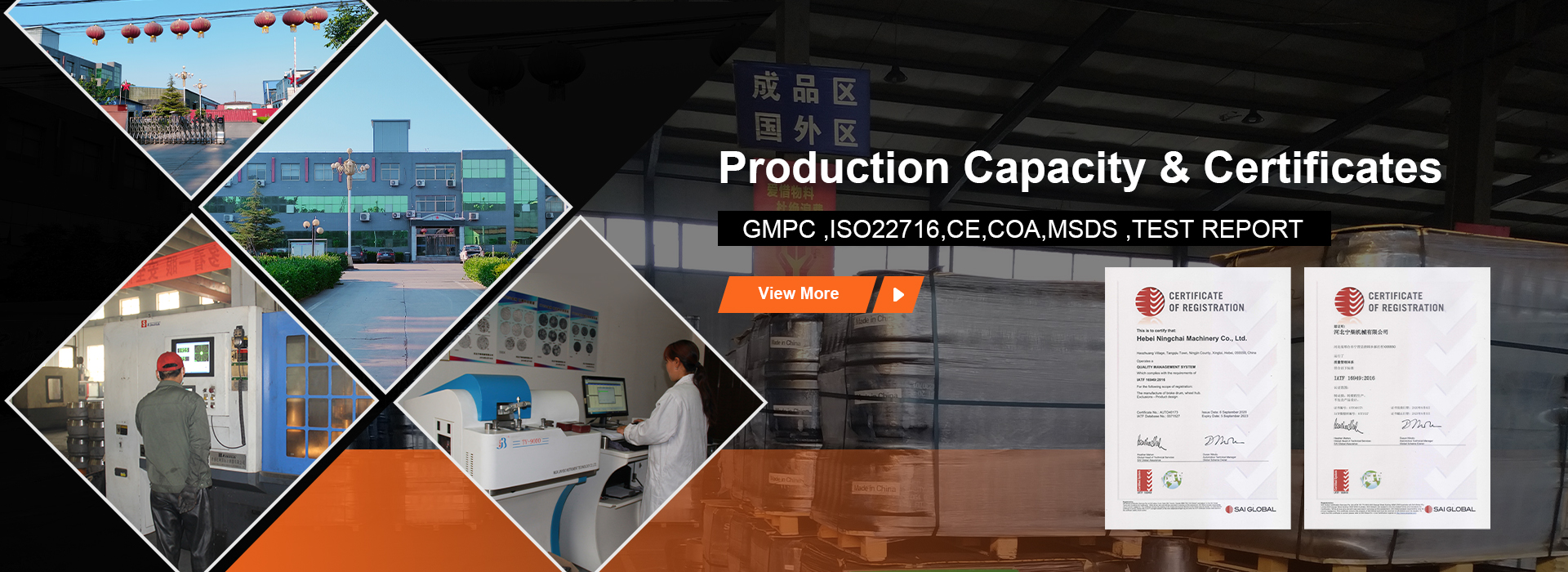
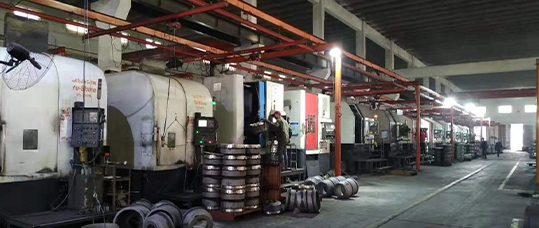
Manufacturing processes vary depending on the component. Brake drums are created using sand casting or centrifugal casting. Sand casting is more cost-effective for larger production runs, while centrifugal casting produces denser, more uniform castings with improved mechanical properties. Brake shoes are formed through a powder metallurgy process involving compaction and sintering of metallic powders. Precise control of the powder composition and sintering parameters is critical to achieving the desired friction coefficient and wear rate. The assembly of the drum brake system involves careful adjustment of the brake shoes to ensure even contact with the drum surface, proper spring tension, and accurate actuator linkage. Quality control at each stage, including dimensional inspection, material analysis, and performance testing, is paramount to ensuring reliable braking performance.
Performance & Engineering
The performance of a drum brake scooter is directly related to its ability to effectively dissipate heat and maintain a consistent friction coefficient. During braking, kinetic energy is converted to thermal energy, raising the temperature of the brake drum and shoes. Excessive heat can lead to brake fade – a reduction in braking force – and, in severe cases, complete brake failure. Engineering considerations focus on maximizing heat dissipation through drum fin design and material selection. Finite element analysis (FEA) is used to model thermal stress distribution within the brake drum and optimize its geometry. Force analysis determines the required clamping force of the brake shoes to achieve the desired stopping power, taking into account the scooter's weight, speed, and deceleration requirements.
Environmental resistance is also critical. The brake system must withstand exposure to moisture, dirt, and corrosive elements. Protective coatings, such as zinc plating or powder coating, are applied to the backing plate and other metallic components to prevent corrosion. The friction material of the brake shoes must maintain its performance characteristics over a wide range of temperatures and humidity levels. Compliance requirements, such as those outlined by the European Economic Area (EEA) regulations regarding vehicle safety, mandate minimum braking performance standards, including stopping distance and braking force. Proper actuator linkage design is crucial for efficient force transmission and minimizing actuation travel.
Technical Specifications
| Parameter | Typical Value (E-Scooter Application) | Unit | Testing Standard |
|---|---|---|---|
| Brake Drum Diameter | 110 | mm | ISO 6493 |
| Brake Drum Width | 30 | mm | ISO 6493 |
| Friction Material Coefficient | 0.25 - 0.35 | - | SAE J903 |
| Maximum Braking Torque | 20 - 40 | Nm | DIN EN 15194 |
| Operating Temperature Range | -20 to 120 | °C | ISO 3808 |
| Brake Shoe Material Density | 7.2 - 7.8 | g/cm³ | ASTM B968 |
Failure Mode & Maintenance
Drum brake scooters are susceptible to several failure modes. Brake fade, as previously discussed, is a common issue, particularly with prolonged or heavy braking. This is typically caused by overheating of the brake drum and shoes, leading to a reduction in the friction coefficient. Another failure mode is brake shoe wear, resulting from friction and abrasion. Uneven wear can occur due to improper adjustment or contamination. Contamination from dirt, grit, or oil can significantly reduce braking performance and accelerate wear. Corrosion of the brake drum or backing plate can weaken the components and compromise structural integrity. Fatigue cracking in the brake drum can occur due to repeated stress cycles. Delamination of the friction material from the brake shoes can also lead to brake failure.
Preventative maintenance is crucial. Regular inspection of the brake shoes for wear is essential, replacing them when they reach the minimum thickness specified by the manufacturer. Periodic cleaning of the brake drum and shoes to remove dirt and debris is recommended. Proper adjustment of the brake linkage ensures even contact between the shoes and the drum. Lubrication of the actuator linkage prevents sticking and ensures smooth operation. Addressing any signs of corrosion promptly can prevent further damage. Rotor runout checks should be performed to ensure proper braking surface alignment. In the event of brake fade, allowing the brakes to cool down before continued use is critical.
Industry FAQ
Q: What is the primary advantage of drum brakes over disc brakes in low-speed scooter applications?
A: The main advantage is cost. Drum brakes generally require less expensive materials and simpler manufacturing processes compared to disc brakes. This makes them suitable for scooters where high-performance braking isn’t as critical and cost sensitivity is high.
Q: How does the material composition of the brake shoes affect braking performance and wear?
A: The composition directly impacts the friction coefficient, wear rate, and thermal stability. Higher copper content generally increases friction and heat dissipation, but can also accelerate wear. The presence of graphite acts as a lubricant, reducing noise and smoothing braking action. Sintered metal brake shoes offer better performance and wear resistance than woven shoes, but are also more expensive.
Q: What are the key factors contributing to brake fade in drum brake systems?
A: Brake fade is primarily caused by excessive heat buildup. Insufficient heat dissipation from the drum, combined with prolonged or heavy braking, causes the friction material to overheat and lose its effectiveness. This leads to a reduction in the friction coefficient and diminished braking force.
Q: What is the role of the backing plate in the drum brake assembly?
A: The backing plate provides structural support for the brake shoes, springs, and actuator linkage. It ensures proper alignment and stability of the brake assembly. Its rigidity and resistance to deformation are critical for maintaining consistent braking performance.
Q: How can corrosion be prevented in drum brake systems, particularly in wet or salty environments?
A: Protective coatings, such as zinc plating, powder coating, or electrophoretic deposition, are used to prevent corrosion of metallic components. Regular cleaning to remove salt and debris is also essential. Using corrosion-resistant materials, such as stainless steel for certain components, can further enhance durability.
Conclusion
Drum brake scooters represent a proven and cost-effective braking solution for a variety of light electric vehicle applications. Understanding the underlying material science, manufacturing processes, and performance characteristics is critical for engineers and procurement professionals. While they may not offer the same level of performance as disc brakes, careful design, material selection, and preventative maintenance can ensure reliable and safe operation. The continued development of advanced friction materials and improved drum designs will further enhance the performance and longevity of drum brake systems.
Looking forward, advancements in heat dissipation technologies, such as novel fin geometries and the incorporation of heat pipes, hold promise for mitigating brake fade. Furthermore, the use of more durable and corrosion-resistant materials will enhance the long-term reliability of these systems. Adherence to international safety standards and rigorous quality control procedures remain paramount to ensuring the continued safety and effectiveness of drum brake scooters.