

Introduction
The removal of a hub from drum brakes is a fundamental procedure in automotive maintenance and repair, often required for brake shoe replacement, wheel bearing servicing, or inspection of braking system components. This guide provides a comprehensive technical overview of the process, encompassing material science considerations, manufacturing tolerances affecting removal, engineering principles governing force application, and potential failure modes encountered. The procedure is critical in ensuring vehicle safety and longevity. Incorrect removal can lead to damage of braking system components, requiring costly repairs and potentially compromising vehicle control. This document addresses both traditional mechanical drum brake systems and those incorporating advanced materials and designs, aiming to provide a definitive resource for automotive technicians and engineers.
Material Science & Manufacturing
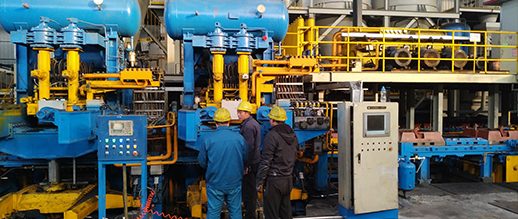
Drum brake hubs are typically manufactured from gray cast iron (ASTM A48 Class 30) due to its high compressive strength, good damping characteristics (reducing brake noise), and relative cost-effectiveness. However, modern vehicles may utilize hubs made from ductile iron (ASTM A48 Class 40-50), offering superior tensile strength and impact resistance. The manufacturing process commonly involves sand casting followed by machining operations to achieve precise dimensional tolerances. Critical parameters during casting include cooling rate control to prevent residual stresses, and alloy composition to ensure optimal material properties. Brake drums themselves are also usually cast iron, presenting potential galvanic corrosion issues if dissimilar metals are in prolonged contact with moisture and electrolytes. The wheel studs, typically cold-formed from medium carbon steel (SAE 1045 or equivalent), are threaded into the hub during manufacturing, requiring precise torque control to avoid stripping or compromising structural integrity. The interface between the hub and drum is generally designed to minimize friction but can develop corrosion over time, increasing the force required for separation. Rust formation (Fe2O3·nH2O) significantly increases the coefficient of friction at this interface.
Performance & Engineering
Hub removal requires overcoming static and, potentially, dynamic friction forces between the hub and drum. The primary engineering concern lies in applying sufficient force without damaging the wheel studs, brake mounting surfaces, or the hub itself. Applying a pulling force directly to the wheel studs is strongly discouraged, as it risks shearing them off, especially with older or corroded components. The optimal approach involves utilizing a hub puller, which distributes the force evenly around the hub’s circumference. Force analysis dictates that the applied force must exceed the static frictional force (Fs = μs N, where μs is the coefficient of static friction and N is the normal force). Increasing the normal force (by tightening the puller) or reducing the coefficient of friction (using penetrating oil) are the primary methods to facilitate removal. Environmental resistance is also a key consideration; prolonged exposure to road salt and moisture can lead to corrosion, increasing the force needed for removal and potentially seizing the hub onto the axle. Compliance with SAE J431 standards for wheel mounting hardware is crucial for ensuring compatibility and structural integrity.
Technical Specifications
| Hub Material | Typical Tensile Strength (MPa) | Wheel Stud Material | Recommended Torque (Nm) for Puller Bolts |
|---|---|---|---|
| Gray Cast Iron (A48 Class 30) | 205-310 | Medium Carbon Steel (SAE 1045) | 50-100 (depending on puller size) |
| Ductile Iron (A48 Class 40-50) | 414-552 | Medium Carbon Steel (SAE 1045) | 75-150 (depending on puller size) |
| Hub Diameter (Typical) | 150-250 mm | Wheel Stud Diameter (Typical) | 12-16 mm |
| Maximum Allowable Pulling Force | 5000-10000 N | Corrosion Protection Coating | Zinc Plating or Geomet |
| Penetrating Oil Viscosity | Low (e.g., WD-40) | Torque Wrench Accuracy | ±4% |
| Hub Runout Tolerance | <0.05 mm | Wheel Stud Thread Pitch | 1.50 mm or 1.25 mm |
Failure Mode & Maintenance
Common failure modes during hub removal include stripping of wheel stud threads, damage to the hub’s mounting surface, and deformation of the hub itself. Stripping occurs when excessive force is applied directly to the wheel studs. Hub damage can occur if the puller is not properly aligned or if excessive force is used. Deformation can result from uneven force distribution or pre-existing material defects. A significant failure mode is the fracture of corroded wheel studs during the removal process. Preventive maintenance includes regular application of anti-corrosion compounds to the hub-drum interface and wheel studs. Periodic inspection for signs of corrosion or damage is also crucial. After removal, the hub’s mounting surface should be inspected for flatness and runout. Damaged studs should be replaced using the appropriate torque specifications. Prior to reassembly, all mating surfaces should be cleaned and lightly lubricated with a high-temperature brake grease to prevent future seizing. Inspect brake drums for scoring or excessive wear that may contribute to future hub removal difficulties.
Industry FAQ
Q: What is the best method to remove a severely corroded hub without damaging the surrounding components?
A: For severely corroded hubs, begin by applying a generous amount of penetrating oil repeatedly over several hours or even overnight. Utilize a hub puller, applying gradual and consistent force. If the hub remains stubbornly stuck, consider applying localized heat (using a propane torch with extreme caution, avoiding brake lines and rubber components) to the hub’s center to exploit thermal expansion. Avoid impact tools, as they can easily damage the hub or studs. As a last resort, a hydraulic press may be employed, but only by experienced technicians.
Q: What torque specification should be used when installing new wheel studs in the hub?
A: The torque specification for wheel studs varies depending on the vehicle manufacturer and stud size. Refer to the vehicle’s service manual for the precise torque value. Generally, it falls within the range of 80-120 Nm for M12 studs and 100-150 Nm for M14 studs. Use a calibrated torque wrench to ensure accurate tightening.
Q: How can I prevent future corrosion and seizing of the hub?
A: Apply a liberal coating of anti-seize compound to the hub-drum mating surface during reassembly. Regularly inspect and clean the hub and drum, removing any accumulated dirt, rust, or debris. Consider applying a protective coating, such as zinc plating, to the hub’s surface.
Q: What are the risks of using an impact wrench to remove the hub?
A: Using an impact wrench is generally not recommended. The sudden, jarring forces can easily damage the wheel studs, hub mounting surface, or the hub itself. It also increases the risk of stripping the stud threads. A controlled, consistent pulling force from a hub puller is far safer and more effective.
Q: Is it acceptable to use a hammer to loosen the hub?
A: While light tapping with a soft-faced hammer around the hub flange may help break initial corrosion, direct hammering is strongly discouraged. It can damage the hub, distort the braking surface, and potentially create stress fractures. Focus on applying penetrating oil and utilizing a properly installed hub puller.
Conclusion
The successful removal of a drum brake hub hinges on understanding the underlying material science, employing the appropriate engineering principles, and adhering to precise technical specifications. Ignoring these factors can lead to costly damage and compromise vehicle safety. Proper tool selection, particularly the use of a hub puller, is paramount. Preventive maintenance, including corrosion protection and regular inspection, significantly reduces the likelihood of encountering difficulties during hub removal.
Future advancements in hub design may include the incorporation of anti-corrosion coatings, improved sealing methods to prevent moisture ingress, and optimized hub-drum interfaces to minimize friction. Furthermore, the adoption of electric vehicles and regenerative braking systems may necessitate the development of new hub designs and removal procedures tailored to these specific technologies. Continuous learning and adaptation to evolving industry standards are essential for automotive technicians.