
Introduction
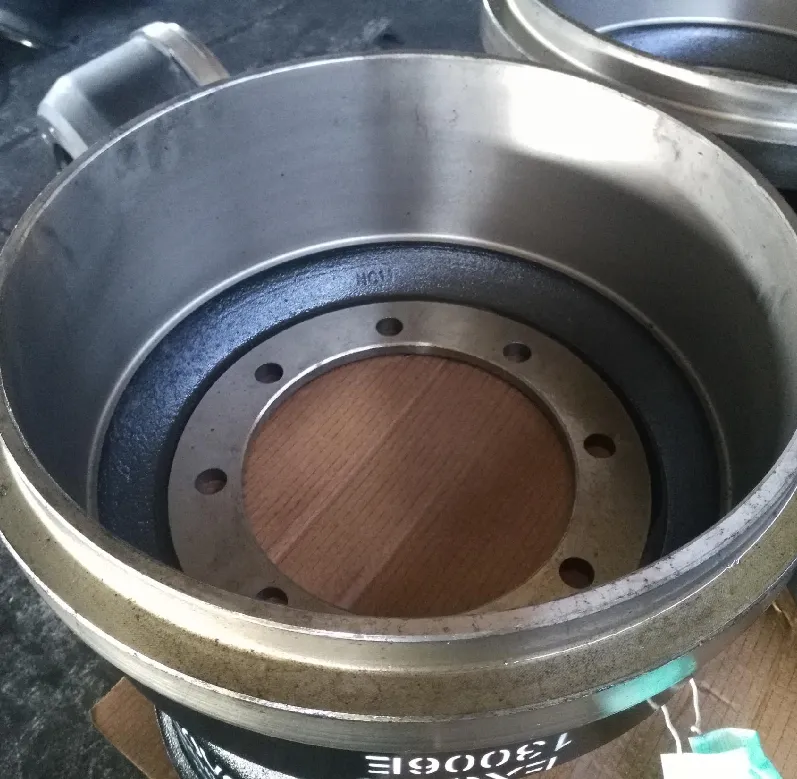
Drum brake covers, integral components of automotive braking systems, protect the internal brake assembly from environmental contaminants like road salt, debris, and moisture. Their removal is a crucial step in brake service procedures including inspection, shoe replacement, wheel cylinder servicing, and hardware adjustments. This guide details the procedures, material considerations, potential challenges, and best practices associated with drum brake cover removal. Understanding the nuances of cover attachment, material properties, and potential corrosion issues is paramount for safe and efficient brake maintenance. Incorrect removal can lead to damage of the cover itself, the underlying brake components, or pose a safety risk during subsequent vehicle operation. This document addresses the entire process from initial assessment to final considerations.
Material Science & Manufacturing
Drum brake covers are commonly manufactured from stamped steel, cast iron, or, increasingly, polymer composites. Stamped steel, typically low carbon steel (e.g., SAE 1008, 1010), offers a balance of cost-effectiveness and formability. Manufacturing involves a progressive die stamping process where the flat steel sheet is sequentially shaped through a series of dies until the final cover geometry is achieved. Surface treatments like electrocoating or powder coating are applied to enhance corrosion resistance. Cast iron covers, though less common in modern vehicles, provide superior heat dissipation capabilities but are heavier. Polymer composites, often utilizing polypropylene or ABS blends, provide weight reduction and improved corrosion resistance, but exhibit lower temperature tolerance. The fastening mechanisms can include retaining clips, bolts, screws, or a combination. Clip materials generally comprise spring steel (e.g., SAE 675) chosen for its elastic properties. Corrosion prevention on steel components frequently utilizes zinc phosphate coating prior to paint application. The manufacturing tolerances are critical; even slight deviations can impede proper fitment and lead to vibration or premature wear. Quality control checks encompass dimensional accuracy, coating thickness, and clip retention force.

Performance & Engineering
The primary engineering function of the drum brake cover is environmental protection; however, its design also influences airflow and heat dissipation from the brake assembly. Restricted airflow can lead to increased brake operating temperatures and potential brake fade. Cover stiffness is a critical parameter; inadequate stiffness can result in drumming or resonance at certain vehicle speeds. Force analysis during cover removal must consider the clip retention force, bolt torque (if applicable), and potential for corrosion-induced binding. The engineering design incorporates features to minimize stress concentrations and prevent crack initiation. Finite element analysis (FEA) is often employed during the design phase to optimize cover geometry and material selection. Compliance requirements, dictated by FMVSS 105 (Federal Motor Vehicle Safety Standard 105) in the United States, or equivalent standards in other regions, mandate minimum cover retention force and resistance to environmental degradation. Thermal performance is assessed through simulations and physical testing to ensure adequate heat dissipation, preventing overheating and maintaining consistent braking performance. Long-term durability is evaluated via accelerated weathering tests, exposing covers to simulated environmental conditions (humidity, salt spray, UV radiation).
Technical Specifications
| Material Type | Typical Thickness (mm) | Retention Method | Corrosion Resistance Standard |
|---|---|---|---|
| Stamped Steel (SAE 1008) | 1.2 - 1.8 | Retaining Clips | ASTM B117 (Salt Spray Test) – 24 hours minimum |
| Cast Iron | 3.0 - 5.0 | Bolts/Screws | ASTM A576 Grade 65 |
| Polypropylene Composite | 2.0 - 3.0 | Snap-Fit/Clips | UV Resistance – SAE J1960 |
| Stamped Steel (SAE 1010) | 1.5 | Spring Steel Clips | Electrocoating (e-coat) - 60 µm minimum |
| ABS Composite | 2.5 | Integrated Fasteners | ISO 9227 (Salt Spray Test) - 48 hours minimum |
| Aluminum Alloy (6061) | 2.0 | Screws | Anodizing (10 µm minimum) |
Failure Mode & Maintenance
Common failure modes for drum brake covers include clip fatigue, corrosion-induced binding, cracking due to thermal stress, and deformation from impact. Clip fatigue occurs due to repeated flexing during cover removal and reinstallation. Corrosion, particularly in regions exposed to road salt, can seize retaining clips or bolts, making removal difficult and potentially damaging the cover or underlying brake components. Thermal stress cracking can occur in polymer composites subjected to high brake operating temperatures. Deformation can result from impacts with road debris or during wheel service. Maintenance recommendations include periodic inspection of clips for corrosion or damage, application of a penetrating lubricant to fasteners if corrosion is present, and careful removal techniques to avoid excessive force. If a clip is broken or severely corroded, it should be replaced. Damaged covers should be replaced to maintain proper brake protection. Preventive maintenance includes regularly cleaning the brake assembly to remove debris that could contribute to corrosion. When reinstalling, ensure proper clip engagement or bolt torque to prevent loosening and vibration. Using anti-seize compound on bolt threads can prevent future corrosion issues.
Industry FAQ
Q: What is the primary cause of difficulty when removing a severely rusted drum brake cover?
A: The primary cause is corrosion-induced binding between the retaining clips, bolts/screws, and the brake backing plate. Oxidation products formed from the corrosion create a strong adhesive force, requiring significant effort to overcome. Penetrating oil application and gentle tapping are crucial steps to mitigate this issue.
Q: What are the risks of using excessive force during drum brake cover removal?
A: Excessive force can damage the cover itself (leading to cracking or deformation), strip threads on bolts/screws, or damage the brake backing plate. Furthermore, it can cause the retaining clips to break, making reinstallation difficult. A controlled and methodical approach is always recommended.
Q: How do polymer composite covers perform compared to steel covers in high-humidity environments?
A: Polymer composite covers generally exhibit superior corrosion resistance in high-humidity environments compared to untreated steel covers. However, some polymers may be susceptible to UV degradation or moisture absorption over time, affecting their mechanical properties. Regular inspection is still advised.
Q: What type of lubricant is recommended for preventing corrosion on brake cover fasteners?
A: An anti-seize compound specifically formulated for automotive applications is recommended. These compounds contain metallic particles (e.g., copper, zinc) that create a barrier against corrosion and facilitate future disassembly. Avoid lubricants that may be incompatible with brake friction materials.
Q: What should be done if a retaining clip is broken during drum brake cover removal?
A: The broken clip must be replaced with a new clip of the correct specification before the brake cover can be properly secured. Operating the vehicle with a missing or damaged retaining clip compromises the integrity of the brake assembly and poses a safety risk. A complete inspection of remaining clips is also advisable.
Conclusion
Effective drum brake cover removal is a deceptively complex procedure demanding a thorough understanding of material science, manufacturing processes, and potential failure modes. The selection of materials—steel, cast iron, or polymer composites—directly influences corrosion resistance and thermal performance. Proper removal techniques, prioritizing gentle methods and utilizing penetrating lubricants where necessary, are critical to prevent damage to both the cover and the underlying brake assembly.
Long-term brake system reliability is inextricably linked to the integrity of the drum brake cover. Proactive maintenance, including regular inspections, clip replacement, and corrosion prevention measures, is essential. Adhering to industry standards (ASTM, ISO) and manufacturer specifications ensures consistent performance and maximizes the service life of the braking system. Failing to address these critical details can result in compromised braking performance and potentially hazardous operating conditions.