
Introduction
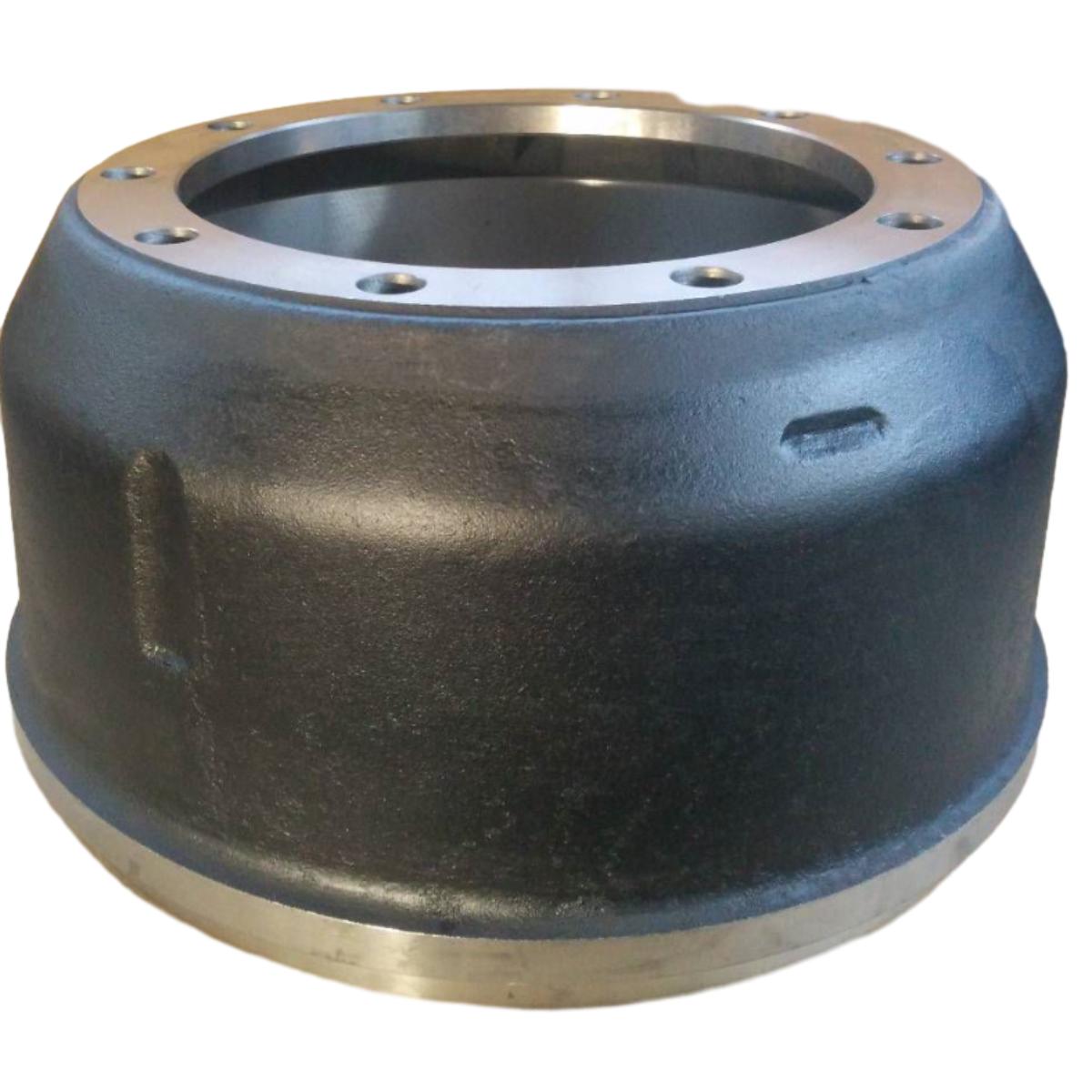
The drum brake assembly diagram represents a critical component in vehicle braking systems, historically prevalent and still utilized in a variety of applications ranging from heavy-duty trucks to rear axles of passenger vehicles. This guide provides a comprehensive technical overview of drum brakes, detailing their material composition, manufacturing processes, performance characteristics, failure modes, and relevant industry standards. The drum brake functions by utilizing friction created between brake shoes and the inner surface of a rotating drum, decelerating the vehicle. Core performance is evaluated based on braking torque, fade resistance, and service life. The continued relevance of drum brakes, despite the rise of disc brakes, stems from their lower manufacturing cost, self-energizing effect (increasing braking force with applied pressure), and suitability for environments prone to contamination where disc brakes might exhibit reduced performance.
Material Science & Manufacturing
Drum brake components necessitate specific material properties to withstand high temperatures, repeated stress cycles, and corrosive environments. The brake drum itself is typically manufactured from grey cast iron (ASTM A48 Class 30) due to its excellent heat dissipation capabilities, good wear resistance, and machinability. The chemical composition primarily consists of iron, carbon (2.5-4.0%), silicon (1.5-3.0%), manganese (0.5-1.0%), sulfur (less than 0.1%), and phosphorus (less than 0.1%). Manufacturing involves casting, followed by machining to achieve precise dimensions and surface finish. Brake shoes are commonly constructed from metallic friction materials bonded to a steel backing plate (SAE 1008). Friction material composition varies widely, but generally includes iron powder, copper fibers, steel wool, graphite, and various friction modifiers. The bonding process utilizes high-pressure, high-temperature curing of a thermosetting resin binder. Actuators, such as wheel cylinders, are typically made from ductile iron (ASTM A477) for its superior strength and ductility compared to grey cast iron. Manufacturing processes include casting and precision machining to ensure proper fluid sealing and smooth piston movement. Quality control emphasizes dimensional accuracy, material hardness testing (Brinell, Rockwell), and non-destructive testing (NDT) such as ultrasonic testing to detect internal flaws.
Performance & Engineering
Drum brake performance is fundamentally governed by the principles of friction and heat transfer. The braking torque (T) is calculated as T = μ r F, where μ is the coefficient of friction between the brake shoes and the drum, r is the effective radius of the drum, and F is the normal force applied by the brake shoes. A crucial engineering consideration is mitigating brake fade, the reduction in braking torque due to elevated drum temperatures. Heat capacity of the drum material and the efficiency of heat dissipation play critical roles. Finite element analysis (FEA) is frequently used to optimize drum design for thermal stress distribution and structural integrity. Environmental resistance is vital; corrosion prevention relies on coatings like zinc phosphate or powder coating to protect against rust and road salt. Compliance with FMVSS 105 (Federal Motor Vehicle Safety Standards) in the United States and ECE R13 (Economic Commission for Europe Regulation No. 13) mandates minimum braking performance levels and durability requirements. The self-energizing effect, a key advantage of drum brakes, is achieved through the geometry of the brake shoes, causing the frictional force to amplify the applied force. However, this effect requires careful design to avoid instability and uneven wear.
Technical Specifications
| Parameter | Typical Value (Passenger Vehicle) | Typical Value (Heavy-Duty Truck) | Units |
|---|---|---|---|
| Drum Diameter | 203 | 320 | mm |
| Drum Width | 50 | 80 | mm |
| Friction Material Coefficient of Friction (μ) | 0.25 - 0.35 | 0.30 - 0.45 | - |
| Maximum Operating Temperature | 300 | 400 | °C |
| Braking Torque (per wheel, max.) | 800 | 2500 | Nm |
| Brake Shoe Clearance | 0.025 - 0.05 | 0.05 - 0.10 | mm |
Failure Mode & Maintenance
Drum brake failures typically manifest as reduced braking efficiency, noise, and uneven wear. Common failure modes include brake shoe delamination, caused by bond failure between the friction material and backing plate due to excessive heat or impact. Cracking of the brake drum, often initiated by thermal fatigue, can lead to catastrophic failure. Wheel cylinder leaks, resulting from corrosion of seals or piston damage, compromise hydraulic pressure and braking force. Glazing of the friction material, caused by prolonged operation at high temperatures, reduces the coefficient of friction. Contamination by oil, grease, or water significantly diminishes braking performance. Maintenance procedures include regular inspection of brake shoe lining thickness, drum surface condition, and wheel cylinder seals. Resurfacing of drums is permissible within specified limits, but exceeding these limits compromises structural integrity. Brake shoe replacement should occur when the lining thickness reaches the minimum specified by the manufacturer. Wheel cylinder replacement is necessary if leaks are detected. Periodic adjustment of the brake shoe clearance ensures optimal braking force and prevents dragging. Thorough cleaning of brake components with brake cleaner is essential to remove contaminants.
Industry FAQ
Q: What is the primary advantage of drum brakes over disc brakes in heavy-duty applications?
A: Drum brakes generally offer a longer service life and lower cost of ownership in heavy-duty applications, primarily due to their larger friction surface area and self-energizing effect, which enhances braking force. This translates to reduced wear rates and less frequent component replacement, despite potentially lower peak braking performance compared to disc brakes.
Q: How does temperature affect drum brake performance and what measures are taken to mitigate heat-related issues?
A: Elevated temperatures significantly reduce the coefficient of friction of the brake lining material, leading to brake fade. Mitigation strategies include utilizing high-heat-resistant friction materials, optimizing drum design for improved heat dissipation, and incorporating fins or other cooling features to enhance convective heat transfer.
Q: What are the key considerations when selecting friction material for drum brakes?
A: Key considerations include the coefficient of friction, wear rate, thermal stability, noise characteristics, and environmental resistance (e.g., resistance to moisture and contaminants). The application’s specific operating conditions – including load, speed, and temperature – dictate the optimal friction material formulation.
Q: How important is the correct adjustment of brake shoe clearance and what are the consequences of improper adjustment?
A: Proper brake shoe clearance adjustment is critical for optimal braking performance. Insufficient clearance causes constant dragging, leading to excessive wear and heat buildup. Excessive clearance results in reduced braking force and increased stopping distances.
Q: What non-destructive testing methods are used to assess the integrity of drum brake components?
A: Ultrasonic testing is commonly employed to detect internal flaws in the brake drum and backing plates. Dye penetrant inspection can reveal surface cracks. Visual inspection for corrosion, wear, and damage is also a critical component of routine maintenance and quality control.
Conclusion
Drum brake technology, while evolving, remains a vital component in numerous braking systems. Its inherent advantages in cost-effectiveness and suitability for specific applications ensure its continued relevance, particularly in heavy-duty vehicles and as a secondary braking system. Understanding the material science, manufacturing processes, and performance characteristics of drum brakes is paramount for engineers and procurement professionals alike.
Future advancements may focus on refining friction material compositions to enhance fade resistance and reduce noise, along with incorporating advanced sensors for real-time monitoring of brake wear and performance. Adherence to stringent industry standards and rigorous maintenance procedures remains crucial for maximizing drum brake reliability and ensuring vehicle safety.