

Introduction
Drum brake adjusting is a critical maintenance procedure within automotive braking systems, specifically those utilizing drum brakes. This process ensures optimal brake performance by maintaining the proper clearance between the brake shoes and the rotating drum. Incorrect adjustment leads to inefficient braking, increased stopping distances, premature wear of brake components, and potential safety hazards. The industry chain position involves automotive manufacturers, aftermarket parts suppliers, maintenance facilities, and ultimately, vehicle owners. Core performance indicators include braking efficiency (stopping distance under defined conditions), pedal feel, and long-term durability of the brake system. Modern vehicles increasingly employ disc brake systems, however, drum brakes remain prevalent in rear axle applications, particularly in cost-sensitive vehicle segments and heavy-duty applications, demanding continued expertise in adjustment procedures.
Material Science & Manufacturing
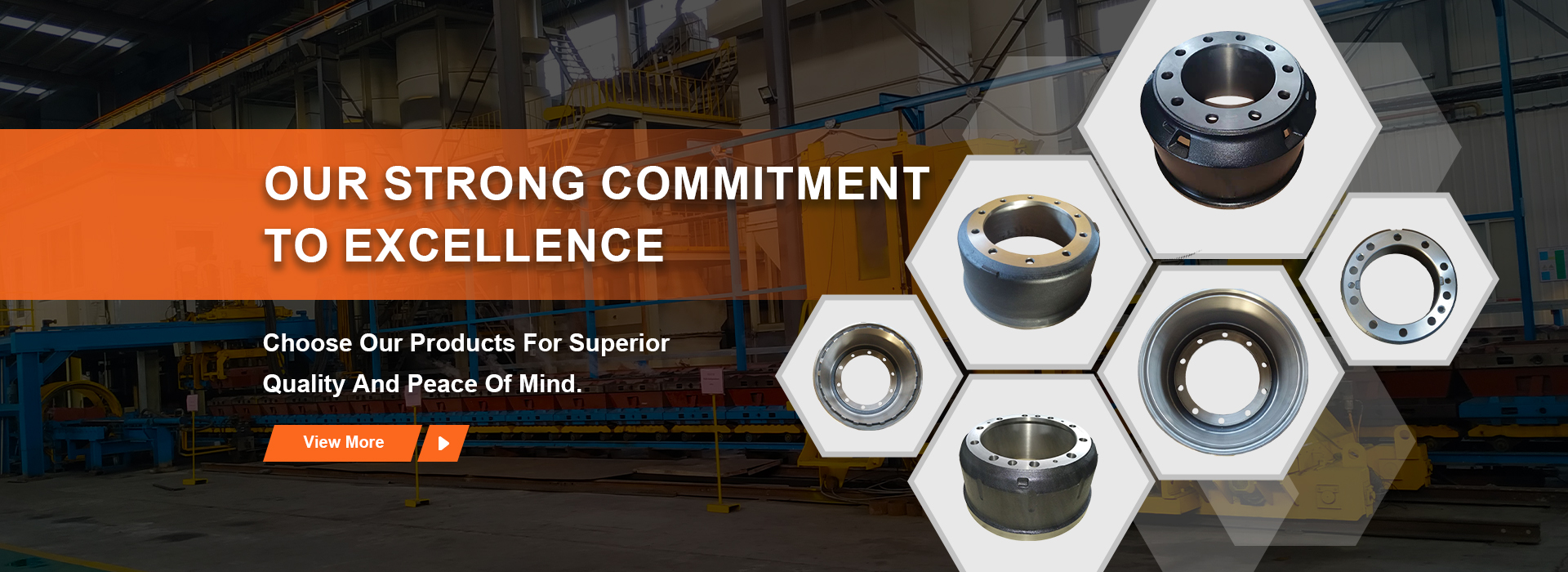
The primary materials involved in drum brake systems relevant to adjustment are cast iron for the brake drum and friction materials bonded to steel backing plates for the brake shoes. Cast iron drums are typically produced using grey cast iron (ASTM A48 Class 30) due to its excellent wear resistance, thermal conductivity, and damping characteristics. Manufacturing involves sand casting, followed by machining to precise tolerances on the inner drum surface. This surface finish is critical, influencing friction coefficient and wear rates. Brake shoes utilize semi-metallic or organic friction materials formulated to provide consistent friction performance across a range of temperatures and speeds. The bonding process between the friction material and the steel backing plate is crucial; epoxy resin adhesives are commonly used, requiring careful curing profiles to ensure shear strength and prevent delamination. The adjuster mechanism itself is commonly manufactured from mild steel (AISI 1018) via stamping and forming processes. Key parameters during manufacturing include drum concentricity, surface roughness of the drum bore, friction material density and bonding strength, and dimensional accuracy of the adjuster components. Improper material selection or manufacturing defects directly impact the effectiveness of the adjustment process and the overall lifespan of the brake system. Corrosion protection (e.g., zinc plating) is also essential for adjuster components to prevent seizing.
Performance & Engineering
Drum brake adjusting directly impacts braking torque. Insufficient adjustment results in excessive pedal travel and reduced braking force, while over-adjustment leads to shoe drag, increased heat generation, and premature wear. Force analysis involves understanding the radial forces exerted by the brake shoes against the drum, influenced by hydraulic pressure from the master cylinder and the leverage provided by the adjuster mechanism. Environmental resistance is a significant factor; moisture, road salt, and temperature fluctuations can cause corrosion and seizing of the adjuster, hindering its functionality. Compliance requirements, as outlined by FMVSS 105 (Federal Motor Vehicle Safety Standards) in the US and ECE R13 (Economic Commission for Europe) regulations, specify minimum braking performance criteria, which are directly influenced by proper brake adjustment. The functional implementation of the adjuster involves a mechanical linkage that expands the brake shoes outwards as the friction material wears. Self-adjusting mechanisms utilize a ratchet and pawl system, while manual adjusters require periodic intervention. Finite Element Analysis (FEA) is frequently used in the design of adjuster components to optimize stress distribution and ensure durability. Thermal analysis is critical to understand heat dissipation during braking events, preventing fade and maintaining consistent performance.
Technical Specifications
| Adjustment Range (mm) | Adjuster Mechanism Type | Maximum Drum Runout (mm) | Typical Friction Material Wear Rate (mm/1000km) |
|---|---|---|---|
| 2-8 | Self-Adjusting (Bendix-style) | 0.05 | 0.05-0.15 |
| 1-6 | Manual (Screw-type) | 0.08 | 0.05-0.15 |
| 3-10 | Self-Adjusting (Star Wheel) | 0.06 | 0.07-0.20 |
| 0.5-4 | Manual (Cam-type) | 0.05 | 0.05-0.15 |
| 2-7 | Self-Adjusting (Leverage-based) | 0.07 | 0.06-0.18 |
| 1-5 | Manual (Wedge-type) | 0.06 | 0.05-0.15 |
Failure Mode & Maintenance
Common failure modes in drum brake adjusting include adjuster mechanism corrosion leading to seizing, broken adjuster springs, stripped adjuster threads (in manual systems), and damaged ratchet teeth (in self-adjusting systems). Fatigue cracking can occur in adjuster levers due to repeated stress cycles. Delamination of the friction material can contribute to uneven wear and reduced braking force, indirectly affecting the adjustment process. Oxidation of metal components exacerbates corrosion. Maintenance solutions involve periodic inspection of the adjuster mechanism for corrosion and free movement. Lubrication with high-temperature brake grease is essential to prevent seizing. Manual adjusters should be checked and adjusted as needed during routine brake inspections. Self-adjusting mechanisms should be tested for proper operation; if they are not functioning correctly, the mechanism may require cleaning, lubrication, or replacement. Thorough cleaning of the brake assembly during maintenance prevents abrasive wear and ensures accurate adjustment. Brake shoe replacement should always be accompanied by a full system adjustment. Avoid using penetrating oil excessively, as it can contaminate the friction material.
Industry FAQ
Q: What is the primary symptom of an improperly adjusted drum brake?
A: The most common symptom is a soft or spongy brake pedal, requiring excessive travel to achieve adequate braking force. This is because the brake shoes aren’t applying sufficient pressure against the drum. Additionally, you might notice pulling to one side during braking or unusual noises like squealing or grinding.
Q: How often should drum brakes be adjusted?
A: The frequency depends on the vehicle’s usage and the type of adjuster. Manual adjusters typically require adjustment every 6,000 to 12,000 miles (approximately 9,600 to 19,300 kilometers). Self-adjusting brakes should ideally adjust automatically, but they should be inspected during routine brake service (every 12,000-24,000 miles/19,300-38,600 km) to ensure they are functioning correctly.
Q: Can a self-adjusting drum brake fail to adjust?
A: Yes, several factors can cause this. Corrosion within the adjuster mechanism, debris accumulation, a broken adjuster spring, or a sticking pawl are common causes. In some cases, the cable connecting the adjuster to the brake lever may be stretched or damaged.
Q: What tools are required for manual drum brake adjustment?
A: Typically, a brake spoon or a specialized drum brake adjustment tool is used to rotate the adjusting screw. A penetrating oil may be helpful to loosen a stubborn adjuster, and a flathead screwdriver may be needed to access the adjustment slot. Proper personal protective equipment (gloves, eye protection) is always recommended.
Q: Is it possible to over-adjust drum brakes? What are the consequences?
A: Yes, over-adjustment can occur. This results in the brake shoes constantly dragging against the drum, generating excessive heat, accelerating wear on both the shoes and the drum, and potentially causing brake fade. It can also lead to reduced fuel efficiency and a noticeable burning smell.
Conclusion
Effective drum brake adjusting is paramount for maintaining optimal braking performance and ensuring vehicle safety. The process relies on a complex interplay of material properties, manufacturing precision, and mechanical engineering principles. Understanding the failure modes of adjuster mechanisms and implementing proactive maintenance procedures is crucial for extending the lifespan of the brake system and preventing costly repairs.
Moving forward, advancements in brake technology may see a continued decline in the use of traditional drum brakes, particularly in passenger vehicles. However, their continued relevance in heavy-duty applications and cost-sensitive markets necessitates ongoing research and development in adjuster design and materials to enhance durability and reliability. The correct adjustment procedure and frequency remain vital for safe operation regardless of vehicle type.