
Introduction
Drum and disc brakes represent the two primary methodologies for converting kinetic energy into thermal energy in vehicular braking systems. While both achieve the same fundamental objective – deceleration and stopping – they differ significantly in their construction, operational principles, performance characteristics, and suitability for various applications. Drum brakes, historically prevalent, utilize a mechanical linkage to force friction linings against the inner surface of a rotating drum. Disc brakes, now dominant in most modern vehicles, employ calipers to squeeze friction pads against a rotating disc (rotor). This guide provides a comprehensive technical overview of these two brake systems, detailing material science, manufacturing processes, performance analysis, failure modes, and relevant industry standards. The selection between drum and disc brakes is often a trade-off between cost, weight, cooling efficiency, and performance consistency under varying operational conditions. Understanding these nuances is critical for automotive engineers, procurement professionals, and maintenance technicians.
Material Science & Manufacturing
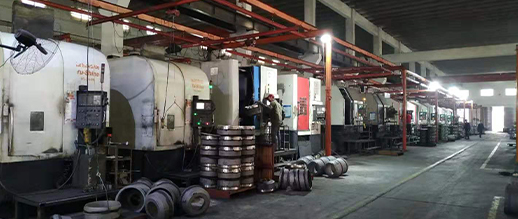
Drum Brakes: The drum itself is typically constructed from grey cast iron due to its excellent heat capacity and wear resistance. The composition is meticulously controlled to optimize thermal conductivity and minimize thermal stress cracking. Friction linings are bonded to the brake shoes, commonly composed of organic materials, semi-metallic compounds, or ceramic formulations. Organic linings offer quiet operation but have lower heat resistance. Semi-metallic linings provide enhanced braking power and heat dissipation but increase rotor wear. Manufacturing involves precision casting of the drum, followed by machining to ensure accurate dimensions and surface finish. Shoe assembly requires precise bonding of the friction material under controlled temperature and pressure. Disc Brakes: Discs (rotors) are commonly made from grey cast iron, similar to drums, though higher-performance applications increasingly utilize carbon ceramic or steel rotors. Carbon ceramic offers superior weight reduction and fade resistance but at a significantly higher cost. Calipers are typically aluminum alloy to minimize weight, housing pistons that apply force to the brake pads. Brake pads, analogous to drum brake linings, employ organic, semi-metallic, or ceramic compounds, influencing friction coefficient, wear rate, and noise characteristics. Disc manufacturing involves casting or forging, followed by machining to precise tolerances. Pad manufacturing focuses on material blending, molding, and bonding processes. The quality of the bonding agent is critical to prevent pad delamination. Surface treatments, such as coating or plating, are applied to components to enhance corrosion resistance.

Performance & Engineering
Drum Brake Performance: Drum brakes exhibit a self-energizing effect, where the rotation of the drum assists in applying the braking force, initially providing greater stopping power with less pedal effort. However, this effect diminishes at higher speeds. Heat dissipation is a significant limitation; the enclosed drum design traps heat, leading to brake fade – a reduction in braking efficiency due to elevated temperatures. The mechanical linkage introduces complexity and potential for adjustment issues. Disc Brake Performance: Disc brakes offer superior cooling due to the open design, minimizing brake fade. The direct application of force via the hydraulic system provides consistent braking performance across a wider range of speeds and operating conditions. Force analysis reveals that the clamping force directly translates to friction, providing predictable deceleration. However, disc brakes require a more complex hydraulic system, including master cylinders, brake lines, and calipers. Engineering considerations include optimizing caliper stiffness to prevent deformation under high loads, and selecting pad materials to balance friction coefficient, wear rate, and noise. Ventilated rotors, with internal vanes, enhance cooling capacity. Anti-lock Braking Systems (ABS) and Electronic Stability Control (ESC) are more effectively integrated with disc brake systems due to the faster response time and independent wheel control.
Technical Specifications
| Parameter | Drum Brakes (Typical Passenger Vehicle) | Disc Brakes (Typical Passenger Vehicle) | Performance Metric |
|---|---|---|---|
| Weight (per axle) | 8-12 kg | 6-10 kg | Lower weight improves vehicle efficiency. |
| Cost (per axle) | $100 - $200 | $250 - $500 | Disc brakes generally have a higher initial cost. |
| Friction Coefficient (µ) | 0.25 - 0.40 | 0.35 - 0.55 | Higher µ provides greater stopping power. |
| Heat Capacity (kJ/kg·K) | 450 - 550 | 500 - 600 | Higher heat capacity delays brake fade. |
| Fade Resistance (Stopping Distance Increase at High Temp) | >20% increase at 200°C | <10% increase at 200°C | Disc brakes exhibit superior fade resistance. |
| Maintenance Frequency | More frequent adjustment & inspection | Less frequent adjustment, pad replacement | Disc brakes generally require less maintenance. |
Failure Mode & Maintenance
Drum Brake Failure Modes: Common failures include brake shoe lining wear, drum warping due to thermal stress, and mechanical linkage malfunctions (e.g., seized adjusting mechanisms). Contamination with dirt, water, or oil can reduce friction and accelerate wear. Fatigue cracking in the drum can occur due to repeated thermal cycling and stress concentrations. Disc Brake Failure Modes: Pad wear is the primary failure mode, requiring periodic replacement. Rotor warping, similar to drum brakes, can occur due to uneven heating and cooling. Caliper piston seizure can lead to uneven pad wear and reduced braking efficiency. Corrosion of brake lines and fittings can cause leaks, resulting in brake failure. Maintenance: Drum brakes require regular inspection and adjustment of the mechanical linkage. Rotor resurfacing or replacement is necessary when excessive wear or warping occurs. Disc brakes require periodic pad replacement and caliper inspection. Brake fluid must be flushed regularly to prevent moisture contamination and maintain hydraulic pressure. Thorough inspection for leaks and corrosion is crucial. Proper bedding-in procedures are essential after pad replacement to ensure optimal friction performance and minimize noise.
Industry FAQ
Q: What are the primary reasons for the shift from drum brakes to disc brakes in passenger vehicles?
A: The primary driver is superior performance under demanding conditions. Disc brakes offer significantly better heat dissipation, reducing brake fade and providing more consistent stopping power, especially during repeated or hard braking. Disc brakes also offer more precise control and are more easily integrated with advanced safety systems like ABS and ESC.
Q: How does the material composition of brake pads affect noise, vibration, and harshness (NVH)?
A: Pad material significantly impacts NVH. Organic pads generally produce less noise but have lower friction coefficients and can generate more dust. Semi-metallic pads offer higher friction but can be noisier due to increased vibration. Ceramic pads offer a good balance of friction, noise reduction, and dust control. The pad’s friction coefficient and its interaction with the rotor surface are key factors.
Q: What are the key considerations when selecting a brake rotor material (cast iron vs. carbon ceramic)?
A: Cast iron rotors offer a cost-effective solution for most applications, providing adequate performance for standard driving conditions. Carbon ceramic rotors, while significantly more expensive, offer substantial weight reduction, superior fade resistance, and longer lifespan, making them ideal for high-performance vehicles and racing applications. Consider the vehicle's intended use, weight, and performance requirements.
Q: What are the potential consequences of using incompatible brake pad and rotor materials?
A: Incompatible materials can lead to premature wear, reduced braking performance, increased noise, and even rotor damage. The friction coefficients must be matched to prevent glazing or excessive wear. Using incorrect pad materials can also compromise the rotor’s surface finish and reduce its lifespan.
Q: What role does brake fluid play in the overall braking system performance and longevity?
A: Brake fluid is the hydraulic medium that transmits force from the master cylinder to the calipers. It must maintain its properties – including boiling point and viscosity – over a wide temperature range. Moisture absorption is a critical concern, as it lowers the boiling point, leading to vapor lock and brake failure. Regular fluid replacement is essential for optimal performance and system longevity.
Conclusion
The selection between drum and disc brake systems hinges on a complex interplay of factors, including cost, weight, performance demands, and application-specific requirements. While drum brakes remain viable for certain light-duty applications, disc brakes have become the industry standard for most passenger vehicles and performance-oriented applications due to their superior thermal management, consistent stopping power, and adaptability to advanced safety technologies. Understanding the material science, manufacturing processes, and potential failure modes of each system is crucial for effective maintenance and reliable operation.
Future trends in braking technology include the development of lighter-weight materials, improved friction formulations, and advanced control systems such as brake-by-wire. Increased integration of regenerative braking systems in hybrid and electric vehicles will further reshape the landscape of braking technology, prioritizing energy recovery and reducing reliance on traditional friction-based systems. Continued research and development will focus on enhancing braking performance, reducing environmental impact, and improving overall vehicle safety.