
Introduction
Disc brakes and drum brakes represent the two primary braking systems employed in modern vehicles and heavy machinery. Fundamentally, both systems convert kinetic energy into thermal energy via friction, thereby reducing vehicle speed or bringing it to a complete stop. However, they differ significantly in their design, materials, performance characteristics, and application suitability. This guide provides a detailed technical analysis of these systems, covering material science, manufacturing processes, performance engineering, failure modes, and relevant industry standards. The automotive, aerospace, and railway industries face ongoing pressure to enhance braking efficiency, reduce weight, and improve safety; the selection between disc and drum brakes is critical to addressing these challenges. This comparison is aimed at engineers, procurement managers, and maintenance personnel involved in the design, selection, and servicing of braking systems.
Material Science & Manufacturing
Disc Brakes: Disc brake rotors are typically manufactured from cast iron, though materials like carbon ceramic and steel alloys are used in high-performance applications. Cast iron (gray cast iron – ASTM A48 Class 25) provides a good balance of cost, thermal conductivity, and friction coefficient. The manufacturing process involves casting, machining, and potentially heat treatment to achieve the desired mechanical properties. High-carbon cast iron is favored for its high thermal conductivity, essential for dissipating heat generated during braking. Calipers, which house the brake pads and pistons, are often made from aluminum alloys for weight reduction and improved heat dissipation. Brake pads are composed of organic compounds, semi-metallic materials, or ceramic composites. Friction material formulation is critical, impacting stopping power, noise, and wear rate.
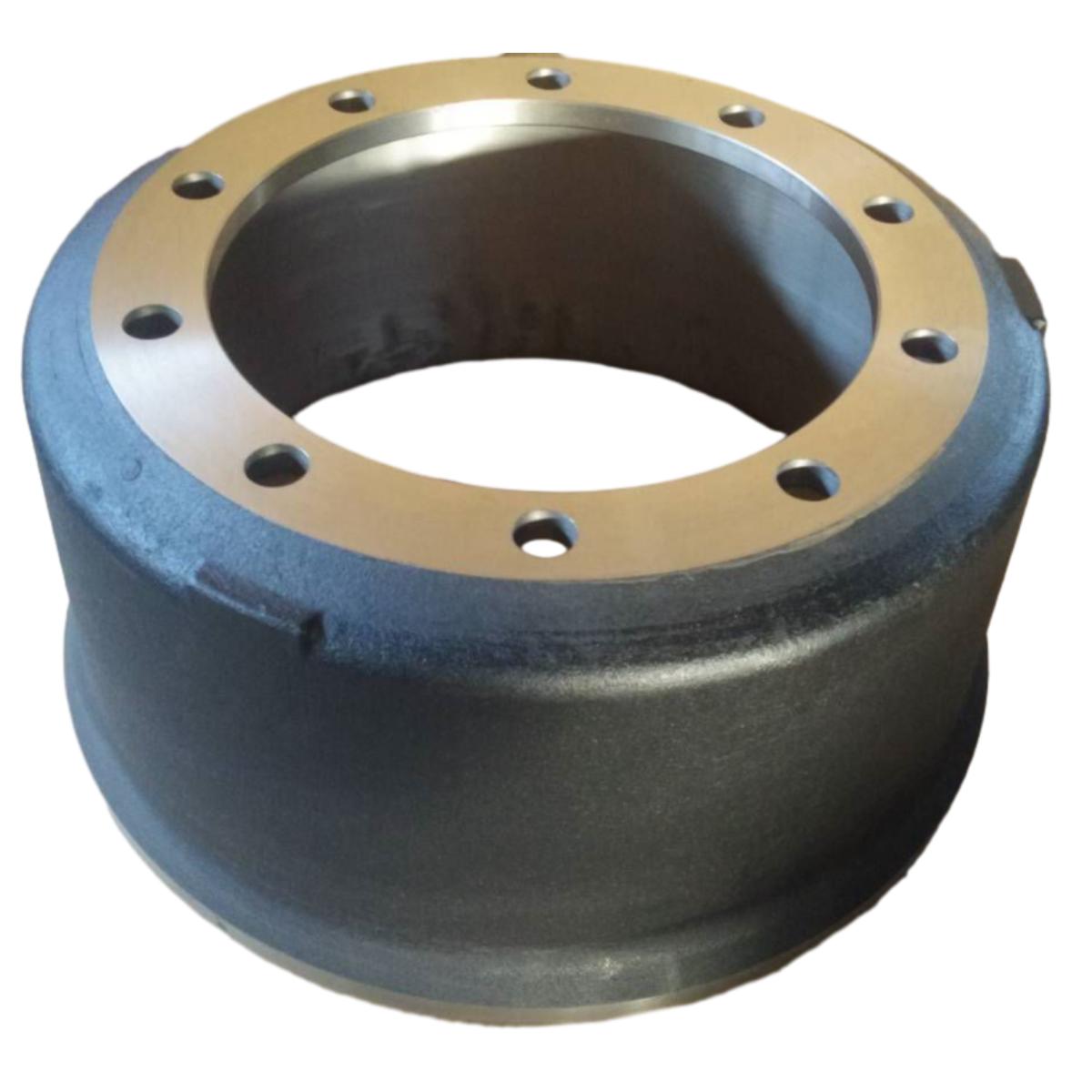
Drum Brakes: Drum brakes utilize a cast iron drum and brake shoes lined with friction material. The drums are produced through centrifugal casting, ensuring uniform wall thickness and minimizing porosity. The composition of the cast iron is similar to that used in disc brake rotors, but drum designs often necessitate higher tensile strength to withstand the internal stresses generated during braking. Brake shoes are typically stamped from steel and riveted or bonded with friction material. The friction material commonly consists of asbestos (now largely phased out due to health concerns and replaced by organic or semi-metallic compounds), phenolic resins, and metallic powders. The manufacturing of drum brakes requires precise machining to ensure proper fit and alignment between the shoes and the drum interior. The internal surface of the drum is also critically machined to optimize friction and minimize noise.

Performance & Engineering
Disc Brakes: Disc brakes offer superior stopping power and resistance to fade due to their open design, allowing for efficient heat dissipation. This design minimizes heat soak, a phenomenon where the braking system loses efficiency due to overheating. The hydraulic system, including master cylinder and brake lines, transmits force from the pedal to the calipers, pressing the brake pads against the rotor. Force analysis indicates that the clamping force directly affects deceleration. Engineers must consider factors like rotor diameter, caliper piston size, and pad friction coefficient to optimize braking performance. Anti-lock Braking Systems (ABS) are readily integrated with disc brakes, enhancing stability and control during emergency stops.
Drum Brakes: Drum brakes are self-energizing to a degree; the shoe's leading edge experiences a greater frictional force, amplifying braking power. However, this self-energizing effect can lead to instability at high speeds. Heat dissipation is a significant limitation. The enclosed design traps heat within the drum, leading to brake fade and reduced stopping power. The mechanical linkage system, involving levers and pushrods, requires precise adjustment to maintain optimal braking force. The geometry of the drum and shoe interaction influences performance characteristics; designers must optimize these parameters to maximize efficiency and minimize noise. Environmental factors, such as moisture and contamination, significantly impact drum brake performance, leading to reduced friction and increased wear.
Technical Specifications
| Parameter | Disc Brake | Drum Brake | Typical Application |
|---|---|---|---|
| Stopping Distance (Average, 60 mph to 0 mph) | 80-100 ft | 120-150 ft | Passenger Vehicles |
| Heat Dissipation Rate | High | Low | Performance Vehicles |
| Fade Resistance | Excellent | Poor | Heavy Duty Trucks |
| Weight (per corner) | 3-8 lbs | 5-12 lbs | Motorcycles |
| Manufacturing Cost (per corner) | $50 - $200 | $30 - $100 | Budget Vehicles |
| Maintenance Complexity | Moderate | High | Off-Road Vehicles |
Failure Mode & Maintenance
Disc Brake Failure Modes: Common failures include rotor warping (leading to pedal pulsation), pad wear (reducing stopping power), caliper piston seizure (causing uneven braking), and brake line leaks (resulting in complete brake failure). Rotor cracking can occur due to thermal stress or mechanical fatigue. Preventative maintenance includes regular pad inspection and replacement, caliper lubrication, and brake fluid flushing. Failure analysis often reveals that improper installation, contaminated brake fluid, or aggressive driving habits contribute to premature failure.
Drum Brake Failure Modes: Typical failures involve brake shoe lining wear, drum warping (causing drum squeal and reduced braking efficiency), wheel cylinder leaks (leading to fluid loss and brake failure), and adjustment mechanism malfunction (resulting in uneven shoe contact). Dust and debris accumulation within the drum can also impede performance. Maintenance requires periodic shoe replacement, drum inspection for wear and cracks, wheel cylinder servicing, and careful adjustment of the parking brake cable. The self-adjusting mechanisms are prone to malfunction, requiring manual adjustment. Failure analysis frequently points to improper adjustment, contamination, or moisture ingress as primary causes of drum brake failures.
Industry FAQ
Q: What are the primary reasons for the increased adoption of disc brakes in modern passenger vehicles?
A: Disc brakes offer superior heat dissipation and resistance to fade, resulting in more consistent stopping power, especially under demanding conditions. They also provide better modulation and control, contributing to enhanced vehicle safety. Modern ABS systems are more easily and effectively integrated with disc brake designs.
Q: Under what circumstances would drum brakes still be a viable option for braking systems?
A: Drum brakes remain cost-effective for applications where high performance isn’t critical, such as on the rear axles of some budget vehicles or in heavy-duty applications where the self-energizing effect provides an advantage in less demanding scenarios. Their simpler design can also be beneficial in environments where maintenance infrastructure is limited.
Q: What are the key material considerations for maximizing the lifespan of disc brake rotors?
A: The choice of cast iron alloy is crucial. High-carbon gray cast iron is preferred for its thermal conductivity and wear resistance. Heat treatment processes, such as thermal tempering, can further enhance mechanical properties. The use of molybdenum or other alloying elements can improve high-temperature strength and reduce the risk of thermal cracking.
Q: How does the operating temperature affect the performance of drum brakes?
A: High operating temperatures significantly reduce the effectiveness of drum brakes. The enclosed design traps heat, leading to brake fade – a reduction in braking force. The friction material can also degrade at elevated temperatures, resulting in reduced stopping power and increased wear.
Q: What is the role of brake fluid in both disc and drum brake systems and how does its condition impact performance?
A: Brake fluid acts as the hydraulic medium transmitting force from the pedal to the brakes. Its ability to remain non-compressible and resist boiling is critical. Contaminated or degraded brake fluid can lead to reduced braking efficiency, corrosion within the system, and potential brake failure. Regular brake fluid flushing is essential for maintaining optimal performance.
Conclusion
The choice between disc and drum brakes is a complex engineering decision that necessitates careful consideration of performance requirements, cost constraints, and environmental factors. Disc brakes consistently outperform drum brakes in terms of stopping power, heat dissipation, and fade resistance, making them the preferred choice for modern passenger vehicles and high-performance applications. However, drum brakes retain a niche role in certain applications where cost-effectiveness and simplicity are paramount.
Future advancements in braking technology will likely focus on further optimizing disc brake designs, developing new friction materials with enhanced performance characteristics, and integrating advanced control systems like electronic brake force distribution (EBD) and regenerative braking. Continued research into lightweight materials and improved thermal management strategies will be crucial for enhancing the efficiency and safety of braking systems across all industries.