
Introduction
Club car brake drum removal is a critical maintenance procedure for electric and gas-powered Club Car golf carts and UTVs. This procedure ensures optimal braking performance and overall vehicle safety. The brake drum assembly houses the brake shoes, springs, and wheel cylinders, all working in concert to generate friction and decelerate the vehicle. Effective removal requires understanding the mechanical linkages, corrosion potential, and specific tooling needed to avoid damage to components. This guide provides a comprehensive overview of the process, addressing material properties, common failure modes, and relevant industry standards. The procedure is frequently undertaken by golf course maintenance personnel, fleet managers, and individual vehicle owners, making a detailed understanding of the process crucial for minimizing downtime and maintaining operational efficiency.
Material Science & Manufacturing
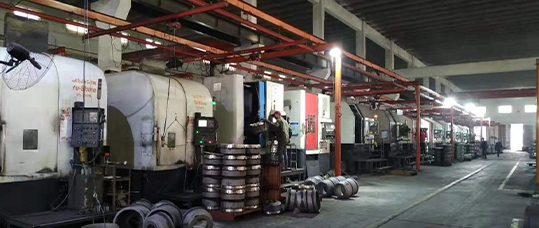
Club car brake drums are typically manufactured from grey cast iron (ASTM A48 Class 30) due to its excellent wear resistance, thermal conductivity, and machinability. The cast iron composition generally consists of 2.5-4.0% carbon, 1.2-2.5% silicon, 0.6-1.2% manganese, and small amounts of sulfur and phosphorus. The manufacturing process primarily involves sand casting. Molten iron is poured into a sand mold cavity that replicates the drum’s internal and external geometry. Critical parameters during casting include temperature control (1200-1400°C), cooling rate, and sand composition to minimize porosity and ensure dimensional accuracy. Following casting, the drums undergo machining operations—turning, milling, and drilling—to achieve precise dimensions and smooth surface finishes. Surface hardness is typically between 180-250 Brinell Hardness Number (BHN). The brake shoes within the drum are constructed from semi-metallic friction materials, often containing iron powder, copper fibers, and organic binders. These materials are formed by compression molding and bonded to a steel backing plate. Corrosion prevention on the cast iron drums frequently utilizes a zinc phosphate coating, providing a base for paint and inhibiting rust formation. Failure to maintain adequate corrosion protection can lead to accelerated drum wear and reduced braking efficiency.

Performance & Engineering
Brake drum performance is governed by several engineering principles. Heat dissipation is a primary concern, as braking generates substantial thermal energy. The drum’s design—specifically, its ribbed structure and material thermal conductivity—plays a critical role in preventing heat buildup, which can lead to brake fade (reduction in braking force due to overheating). The drum’s internal diameter and width influence the leverage provided by the brake shoes, directly impacting braking torque. Force analysis involves calculating the frictional force generated between the brake shoes and the drum, considering the applied pedal force and the coefficient of friction of the brake shoe material (typically 0.25-0.40). Environmental resistance is also crucial. Exposure to moisture, salt, and corrosive agents can accelerate drum wear and corrosion. Compliance requirements vary by region but generally adhere to SAE J431 standards for braking system performance. Static and dynamic load testing are essential to validate the drum’s structural integrity and ensure it can withstand the stresses encountered during operation. The manufacturing tolerances of the drum and brake shoes are critical for ensuring even contact and preventing localized wear. A misalignment of even a few millimeters can significantly reduce braking effectiveness and accelerate component failure.
Technical Specifications
| Drum Diameter (Inches) | Drum Width (Inches) | Material | Typical Weight (lbs) | Maximum Operating Temperature (°F) | Minimum Wall Thickness (Inches) |
|---|---|---|---|---|---|
| 8.0 | 2.0 | Grey Cast Iron (ASTM A48 Class 30) | 8.5 | 600 | 0.25 |
| 9.0 | 2.25 | Grey Cast Iron (ASTM A48 Class 30) | 9.8 | 650 | 0.28 |
| 10.0 | 2.5 | Grey Cast Iron (ASTM A48 Class 30) | 11.2 | 700 | 0.30 |
| 8.5 | 2.1 | Grey Cast Iron (ASTM A48 Class 30) | 9.2 | 625 | 0.26 |
| 9.5 | 2.3 | Grey Cast Iron (ASTM A48 Class 30) | 10.5 | 675 | 0.29 |
| 11.0 | 2.7 | Grey Cast Iron (ASTM A48 Class 30) | 12.8 | 750 | 0.32 |
Failure Mode & Maintenance
Common failure modes for Club Car brake drums include: 1) Thermal Cracking: Repeated heating and cooling cycles can induce thermal stress, leading to crack propagation, particularly in areas of high stress concentration. 2) Wear: Continuous friction between the drum and brake shoes results in gradual material loss, reducing drum thickness and ultimately compromising braking performance. 3) Corrosion: Exposure to moisture and salt leads to rust formation, weakening the drum structure and causing pitting. 4) Warping: Uneven heating or mechanical stress can cause the drum to deform, creating an uneven braking surface. 5) Delamination (of brake shoes): The friction material can separate from the steel backing plate of the brake shoes. Preventative maintenance includes regular inspection for wear, corrosion, and cracks. Brake drums should be replaced when the thickness falls below the manufacturer's minimum specification. Periodic cleaning to remove debris and corrosion inhibitors helps prolong drum life. Lubrication of the brake shoe pivot points is essential for smooth operation and preventing uneven wear. When replacing brake drums, it’s crucial to ensure proper seating and torque specifications are followed to prevent warping or premature failure. Utilizing a brake drum micrometer for accurate thickness measurements is highly recommended.
Industry FAQ
Q: What is the recommended torque specification for the brake drum retaining nuts?
A: The recommended torque specification for the brake drum retaining nuts is typically between 35-45 ft-lbs. However, it's crucial to consult the specific service manual for the Club Car model in question, as variations exist. Over-torquing can damage the threads, while under-torquing can lead to the drum loosening during operation.
Q: How often should the brake drums be inspected for wear?
A: Brake drums should be inspected for wear at least every 6 months or every 500 hours of operation, whichever comes first. More frequent inspections are recommended in harsh operating environments, such as those with high dust levels or exposure to salt water.
Q: What causes brake drums to warp?
A: Warping is typically caused by uneven heating and cooling cycles, leading to differential thermal expansion. Excessive braking, particularly downhill, can contribute to warping. Also, improper tightening of the retaining nuts or mechanical stress can cause deformation.
Q: Can I resurface a brake drum if it's slightly worn?
A: Resurfacing a brake drum is possible, but it's generally not recommended unless the drum is still within the manufacturer's minimum thickness specification after resurfacing. Resurfacing reduces drum thickness and can compromise its structural integrity. It also requires specialized equipment and expertise to ensure a proper, flat surface.
Q: What type of lubricant is recommended for the brake shoe pivot points?
A: A high-temperature brake shoe lubricant, specifically designed for disc and drum brake systems, is recommended. Avoid using general-purpose greases, as they can attract dust and debris, leading to reduced braking performance. Silicone-based lubricants are often a good choice.
Conclusion
Effective Club Car brake drum removal and subsequent maintenance demands a thorough understanding of the materials, manufacturing processes, and engineering principles governing brake system performance. Regular inspection, adherence to proper torque specifications, and timely replacement of worn or damaged components are essential for maintaining optimal braking capability and ensuring vehicle safety. Failure to address these aspects can result in reduced braking efficiency, increased wear on other components, and potentially hazardous operating conditions.
Proactive maintenance, informed by a solid grasp of potential failure modes and relevant industry standards, is crucial for minimizing downtime and maximizing the lifespan of the brake drum assembly. Utilizing appropriate tooling, following manufacturer recommendations, and investing in quality replacement parts will ultimately contribute to a safer and more reliable operation of Club Car vehicles.