

Introduction
Brake proportioning valves, employed in both disc and drum brake systems, are critical hydraulic components designed to regulate braking force distribution between the front and rear axles of a vehicle. Their primary function is to prevent rear wheel lockup during aggressive braking scenarios, thereby maintaining vehicle stability and steering control. This is achieved by reducing hydraulic pressure to the rear brakes when a predetermined differential pressure is detected. The evolution of these valves has progressed from purely mechanical designs to more sophisticated, load-sensing and electronically controlled systems. In the automotive industry supply chain, they sit between the master cylinder and wheel cylinders/calipers, requiring stringent manufacturing tolerances and material specifications. Core performance metrics include pressure regulation accuracy, response time, and operational longevity under varying temperature and stress conditions. The increasing demand for advanced driver-assistance systems (ADAS) and autonomous emergency braking (AEB) is driving innovation in brake proportioning valve technology, pushing towards more precise and reactive control systems.
Material Science & Manufacturing
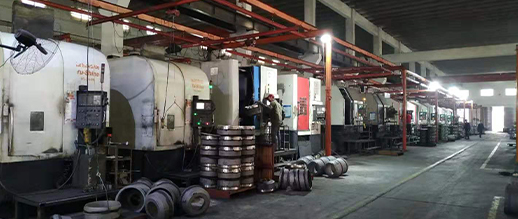
The construction of brake proportioning valve discs and drums relies heavily on ferrous metallurgy. Valve bodies are typically manufactured from ductile cast iron (ASTM A48 Class 30) due to its high tensile strength, ductility, and resistance to corrosion. The valve disc itself, crucial for precise pressure regulation, is frequently composed of AISI 4140 alloy steel, hardened and tempered to achieve a Rockwell C hardness of 58-62. This hardness provides resistance to wear and deformation under high hydraulic pressure. The manufacturing process for the valve body commonly involves sand casting followed by machining operations to ensure dimensional accuracy. Core shifting and gas porosity are critical defects monitored during casting. Valve discs are produced through precision forging or machining from bar stock, followed by heat treatment and grinding. Springs, integral to the valve’s functionality, are made from high-carbon spring steel (SAE 675), requiring controlled coiling and stress relieving to maintain consistent spring rates. Sealing elements utilize nitrile rubber (NBR) or hydrogenated nitrile butadiene rubber (HNBR), chosen for their compatibility with brake fluid (typically DOT 3 or DOT 4) and resistance to swelling. Assembly involves meticulous cleaning to remove particulate matter, followed by controlled tightening of fasteners to specified torque values. Chemical compatibility testing with brake fluid is paramount to prevent degradation of seals and internal components.
Performance & Engineering
The performance of a brake proportioning valve is governed by fundamental hydraulic principles, specifically Pascal’s Law and Bernoulli’s Principle. Force analysis involves calculating the pressure differential required to initiate valve actuation, considering the spring rate and the effective area of the valve disc. Environmental resistance is a key design consideration; valves must withstand prolonged exposure to road salt, temperature fluctuations (-40°C to 120°C), and vibration. Compliance with FMVSS 105 (Federal Motor Vehicle Safety Standard 105) in the United States and ECE Regulation 13 (Economic Commission for Europe) are mandatory. These standards specify performance requirements for braking systems, including the ability to maintain vehicle stability during emergency stops. Functional implementation relies on a precise metering plunger and orifice arrangement, dictating the flow rate and pressure reduction. Load-sensing proportioning valves utilize a spring and lever mechanism that adjusts the valve's sensitivity based on vehicle load, ensuring optimal braking force distribution regardless of payload. Failure analysis often reveals issues related to corrosion of internal components, leading to sticking or incomplete closure of the valve. Proper venting of the valve during installation is crucial to avoid air lock and ensure responsive operation. The hysteresis of the valve—the difference in actuation pressure during increasing and decreasing pressure—is a critical parameter evaluated during testing.
Technical Specifications
| Parameter | Units | Typical Value (Mechanical Valve) | Typical Value (Load-Sensing Valve) |
|---|---|---|---|
| Maximum Operating Pressure | MPa | 20 | 20 |
| Actuation Pressure | MPa | 3 – 5 | 2 – 4 (Load Dependent) |
| Port Size (Inlet/Outlet) | mm | M10 x 1.0 | M10 x 1.0 |
| Operating Temperature Range | °C | -40 to 120 | -40 to 120 |
| Weight | kg | 0.3 – 0.5 | 0.4 – 0.6 |
| Brake Fluid Compatibility | - | DOT 3, DOT 4 | DOT 3, DOT 4 |
Failure Mode & Maintenance
Common failure modes in brake proportioning valves include internal corrosion, leading to valve sticking and inconsistent braking force distribution. Fatigue cracking of the valve disc can occur due to repeated stress cycles, especially in vehicles subjected to heavy use. Delamination of sealing elements (NBR or HNBR) results in hydraulic leakage and reduced braking efficiency. Oxidation of internal components, particularly in older valves, can increase friction and impede valve movement. A primary cause of failure is contamination of the brake fluid, introducing abrasive particles that accelerate wear. Maintenance involves periodic inspection for leaks and corrosion. Brake fluid should be flushed and replaced at recommended intervals (typically every 2-3 years) to prevent contamination and maintain optimal performance. Valve adjustment, if applicable, should be performed by a qualified technician using calibrated tools. In the event of valve malfunction, complete replacement is generally recommended due to the complexity of internal components and the criticality of the safety function. Preventive maintenance, including regular inspection of brake lines and connections, can help identify potential issues before they escalate into serious failures. Disassembly for repair is generally discouraged unless performed by specialized technicians with access to appropriate tools and replacement parts.
Industry FAQ
Q: What is the primary difference between a mechanical and a load-sensing brake proportioning valve?
A: A mechanical valve utilizes a pre-set pressure differential to regulate braking force, whereas a load-sensing valve dynamically adjusts the pressure based on vehicle load. Load-sensing valves incorporate a mechanism (spring and lever) that detects suspension compression and modifies the valve’s actuation point, providing more consistent braking performance regardless of payload.
Q: How does brake fluid contamination affect the performance of a brake proportioning valve?
A: Contaminated brake fluid introduces abrasive particles that accelerate wear on internal valve components, particularly the valve disc and seals. This can lead to sticking, leakage, and inconsistent braking force. Moisture in the brake fluid also promotes corrosion, further exacerbating the problem.
Q: What are the key parameters considered during the design and testing of a brake proportioning valve?
A: Key parameters include maximum operating pressure, actuation pressure, response time, hysteresis, operating temperature range, and compatibility with brake fluid. Testing involves simulating various braking scenarios and verifying compliance with relevant safety standards (e.g., FMVSS 105, ECE Regulation 13).
Q: What is the typical lifespan of a brake proportioning valve, and what factors can affect it?
A: The typical lifespan varies depending on operating conditions and maintenance practices, but generally ranges from 5 to 10 years. Factors affecting lifespan include brake fluid contamination, corrosion, driving habits (aggressive braking), and exposure to harsh environmental conditions.
Q: Is repair of a brake proportioning valve recommended, or is replacement typically preferred?
A: Replacement is generally preferred due to the intricate design and precision manufacturing of the valve's internal components. Disassembly and repair can be challenging and may not restore the valve to its original performance specifications. The safety-critical nature of the component further supports replacement.
Conclusion
Brake proportioning valves are indispensable components within modern braking systems, ensuring vehicle stability and driver control during deceleration. Their functionality relies on a confluence of material science, hydraulic engineering, and adherence to stringent safety standards. The shift towards electronically controlled systems and integration with ADAS technologies signifies a continued evolution of these valves, demanding higher precision and responsiveness.
Proper maintenance, including regular brake fluid flushing and inspection for leaks, is crucial for maximizing valve lifespan and maintaining optimal braking performance. As automotive technology advances, understanding the nuances of brake proportioning valve design and operation will remain paramount for automotive engineers, technicians, and procurement professionals. Continued research and development will focus on improving valve efficiency, reducing weight, and enhancing integration with advanced braking control systems.