

Introduction
Brake drums are a critical component of the braking system in many vehicles, particularly those utilizing drum brakes. Determining when brake drums require replacement is a key maintenance concern for fleet managers, automotive technicians, and vehicle owners. This guide provides a comprehensive technical overview of brake drum construction, materials, wear mechanisms, inspection procedures, and replacement criteria. Historically, brake drum materials evolved from cast iron to more sophisticated alloys including gray cast iron with varying carbon content, ductile iron, and composite materials, each impacting thermal conductivity, wear resistance, and overall performance. The performance of brake drums is intricately linked to the effectiveness of the entire braking system, and premature or delayed replacement can lead to reduced stopping power, increased stopping distances, and potential safety hazards. This document addresses common failure modes, industry standards, and best practices for assessing brake drum condition and determining the necessity of replacement.
Material Science & Manufacturing
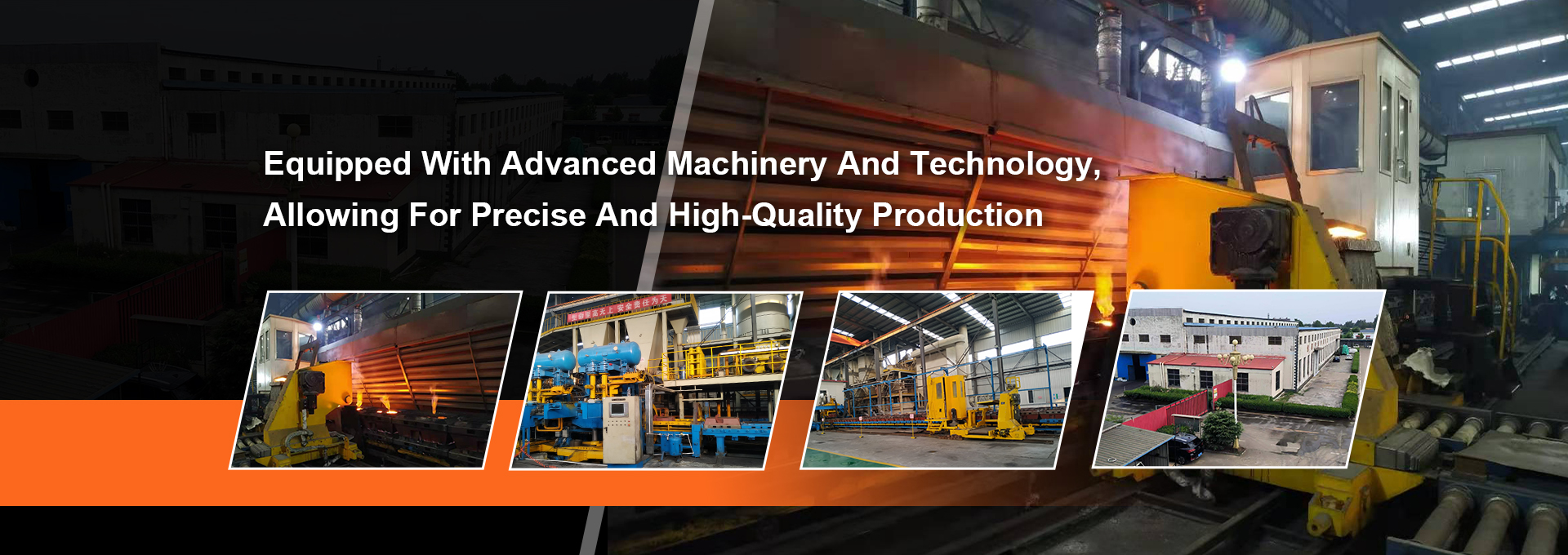
Brake drums are predominantly manufactured from gray cast iron (ASTM A48 Class 30) due to its favorable thermal properties, including high thermal conductivity and effective heat dissipation. The chemical composition of gray cast iron typically includes 2.5-4.0% carbon, 1.2-2.5% silicon, 0.6-1.5% manganese, and trace amounts of sulfur and phosphorus. The manufacturing process typically involves sand casting, where molten iron is poured into a mold created using sand. Critical parameters controlled during casting include cooling rate, mold composition, and metal temperature to ensure consistent microstructure and minimize defects such as porosity and shrinkage. Ductile iron (ASTM A536-85) is used in higher-performance applications, offering improved tensile strength and shock resistance. Manufacturing ductile iron drums often involves centrifugal casting, which refines grain structure and minimizes porosity. Post-casting processes include machining to achieve precise dimensions and surface finish, followed by quality control inspections including dimensional checks, hardness testing, and non-destructive testing (NDT) such as magnetic particle inspection to detect surface cracks. More modern advancements utilize composite materials bonded to a metallic core, improving weight characteristics and heat dissipation but introducing complexities in manufacturing and bonding processes. The material's graphite flake size and distribution significantly affect wear resistance and thermal shock behavior.
Performance & Engineering
The performance of brake drums is governed by principles of heat transfer, friction, and structural mechanics. During braking, kinetic energy is converted into thermal energy through friction between the brake shoes and the drum's inner surface. Efficient heat dissipation is critical to prevent brake fade, a phenomenon where brake performance degrades due to excessive temperature. The drum’s design, including its fin geometry and material properties, directly impacts its heat transfer coefficient and thermal capacity. Finite Element Analysis (FEA) is frequently employed to optimize drum design, ensuring adequate structural integrity under cyclical loading and thermal stress. Force analysis considers the radial pressure exerted by the brake shoes, the drum’s rotational speed, and the coefficient of friction between the surfaces. Compliance requirements, such as those outlined by the Department of Transportation (DOT) and SAE International, dictate minimum performance standards for braking systems, including stopping distance and brake force. Engineering considerations also include dimensional tolerances to ensure proper fitment and function of the brake shoes, as well as surface finish requirements to optimize friction characteristics and minimize noise, vibration, and harshness (NVH).
Technical Specifications
| Parameter | Typical Value (Passenger Vehicle) | Typical Value (Heavy Duty Vehicle) | Testing Standard |
|---|---|---|---|
| Diameter | 203-305 mm | 305-406 mm | SAE J477 |
| Width | 30-50 mm | 76-152 mm | SAE J477 |
| Material | Gray Cast Iron (Class 30) | Ductile Iron (65-70) | ASTM A48 / A536 |
| Maximum Hardness (Brinell) | 180-240 HB | 250-350 HB | ASTM E10 |
| Minimum Tensile Strength | 205 MPa | 414 MPa | ASTM A48 / A536 |
| Thermal Conductivity | 45-55 W/m·K | 50-60 W/m·K | ASTM E1225 |
Failure Mode & Maintenance
Common failure modes for brake drums include thermal cracking, wear, deformation, and corrosion. Thermal cracking occurs due to rapid and uneven heating and cooling cycles, leading to fatigue and crack propagation. Wear is a gradual process resulting from frictional contact with the brake shoes, leading to a reduction in drum thickness. Deformation can occur due to excessive heat or impact loads, resulting in runout and vibration. Corrosion can weaken the drum material, particularly in environments with high salt concentration. Fatigue cracking initiates from surface imperfections or stress concentrations and propagates under cyclical loading. Delamination can occur in composite drums due to bond failure between the composite material and the metallic core. Regular maintenance includes visual inspection for cracks, scoring, and excessive wear. Thickness measurements should be taken to ensure the drum remains within specified limits (typically defined by a minimum thickness stamp on the drum). Surface finish should be checked for irregularities that could cause uneven wear or noise. Brake drums should be resurfaced (turned) if they exhibit minor scoring or thickness variation. However, there’s a limit to the amount of material that can be removed during resurfacing, after which the drum must be replaced. Proper lubrication of the brake shoe contact points and regular cleaning of the braking system are also essential for maintaining brake drum performance and extending service life.
Industry FAQ
Q: What is the primary indicator that a brake drum needs to be replaced?
A: The primary indicator is exceeding the manufacturer's minimum allowable thickness, which is typically stamped on the drum itself. Other indicators include significant cracking, severe scoring, or noticeable deformation (runout). Also, if resurfacing the drum would remove material beyond the recommended limit, replacement is necessary.
Q: How does environmental factors impact brake drum lifespan?
A: Exposure to road salt, moisture, and other corrosive elements accelerates corrosion, weakening the drum material. Frequent operation in severe conditions (e.g., mountainous terrain, heavy towing) increases thermal stress and wear. Vehicles operating in coastal regions are particularly susceptible to corrosion-related failures.
Q: Can a brake drum be repaired if it’s cracked?
A: Minor surface cracks may be repairable through welding, but this requires specialized expertise and adherence to strict welding procedures. Significant or through-cracks necessitate drum replacement, as any attempt to repair them compromises structural integrity and poses a safety risk.
Q: What is the role of heat treatment in improving brake drum durability?
A: Heat treatment, such as quench and temper, is used to improve the hardness, tensile strength, and wear resistance of the cast iron or ductile iron. Specific heat treatment processes are tailored to the alloy composition and desired mechanical properties, enhancing the drum's ability to withstand thermal stress and cyclical loading.
Q: What is the recommended inspection interval for brake drums?
A: A visual inspection should be performed with every brake pad replacement or at least annually, or every 12,000 miles (19,300 km). Thickness measurements and a thorough inspection for cracks and deformation should be conducted at least every 24,000 miles (38,600 km) or as recommended by the vehicle manufacturer.
Conclusion
The determination of whether to replace brake drums necessitates a thorough understanding of material science, manufacturing processes, performance characteristics, and failure modes. Regular inspection, adherence to specified thickness limits, and consideration of operating conditions are crucial for maintaining braking system safety and reliability. Proactive maintenance, including addressing minor issues before they escalate into major failures, is a cost-effective strategy for extending brake drum lifespan and minimizing downtime.
Furthermore, advancements in brake drum materials and manufacturing technologies, such as the use of composite materials and optimized casting techniques, continue to improve performance and durability. Staying abreast of industry standards and best practices, as well as utilizing advanced diagnostic tools like FEA, will enable engineers and technicians to make informed decisions regarding brake drum replacement and ensure the long-term integrity of braking systems.