
Introduction
Brake drums and shoes constitute a fundamental friction braking system widely utilized in automotive, heavy-duty vehicle, and industrial applications. This guide provides an in-depth technical examination of these components, focusing on material science, manufacturing processes, performance characteristics, failure modes, and associated costs. The system's efficacy directly correlates to vehicle safety and operational efficiency. The cost analysis will consider material selection, manufacturing complexity, and expected service life. While disc brake systems are increasingly prevalent, drum brake systems remain competitive, particularly in applications prioritizing lower initial cost and simpler maintenance, or in parking brake applications even in vehicles primarily fitted with disc brakes. Understanding the nuances of drum and shoe construction and material properties is critical for optimizing system performance and minimizing lifecycle costs. This analysis aims to provide a comprehensive understanding for procurement managers, engineers, and maintenance personnel.
Material Science & Manufacturing
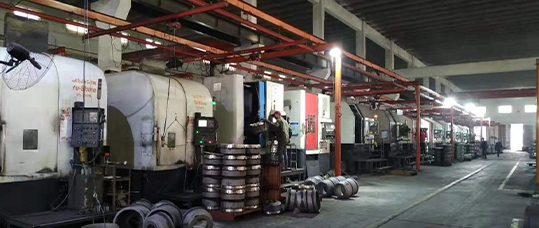
Brake drums are traditionally manufactured from gray cast iron due to its excellent heat capacity, wear resistance, and machinability. The chemical composition typically includes 2.5-4.0% carbon, 1.2-2.5% silicon, and smaller percentages of manganese, sulfur, and phosphorus. The graphite flakes within the cast iron structure act as solid lubricants, reducing friction and wear. More recently, ductile cast iron is being utilized in higher-performance applications due to its superior tensile strength and shock resistance, although it generally exhibits lower thermal conductivity. Manufacturing involves sand casting, followed by machining operations – turning, milling, and grinding – to achieve precise dimensions and surface finishes. Critical parameters include cooling rates during casting to control graphite morphology, and the precision of machining to ensure concentricity and proper brake shoe clearance. Brake shoes are typically constructed from cast iron or composite materials. Cast iron shoes are similar in composition to brake drums, prioritizing wear resistance. Composite shoes utilize organic or semi-metallic friction materials bonded to a steel backing plate. Organic compounds consist of phenolic resins, friction modifiers, and fillers, offering quiet operation but lower heat resistance. Semi-metallic compounds incorporate steel wool, copper fibers, and other metals, providing higher friction coefficients and improved heat dissipation. Shoe manufacturing involves molding the friction material onto the steel backing plate, followed by accurate shaping and riveting of the friction lining. Precise control of bonding pressure, temperature, and curing time are critical for ensuring adequate adhesion and preventing delamination.

Performance & Engineering
The performance of brake drums and shoes is governed by tribological principles – the study of friction, wear, and lubrication. The coefficient of friction is a crucial parameter, influencing braking force and stopping distance. This coefficient is affected by factors such as material composition, surface finish, temperature, and braking speed. Heat dissipation is paramount, as excessive temperatures can lead to brake fade – a reduction in braking effectiveness due to the weakening of the friction material. Drum design incorporates features like fins and vent holes to enhance heat transfer. Engineering analysis involves calculating the shear stress generated at the friction interface, ensuring it remains within the material's yield strength. Finite element analysis (FEA) is often employed to model thermal stress distribution and optimize drum and shoe geometry. Compliance requirements are dictated by standards like FMVSS 133 (Federal Motor Vehicle Safety Standard 133) in the United States and ECE R90 in Europe, which specify performance criteria for braking systems. These standards mandate minimum deceleration rates, brake fade resistance, and durability requirements. Furthermore, considerations such as drum runout and shoe-to-drum clearance are critical for preventing noise, vibration, and uneven wear. The cost implication of performance engineering is substantial; higher performing materials and more complex designs inherently increase production costs, necessitating a trade-off between performance and budget.
Technical Specifications
| Parameter | Gray Cast Iron Drum | Ductile Cast Iron Drum | Organic Composite Shoe | Semi-Metallic Composite Shoe |
|---|---|---|---|---|
| Tensile Strength (MPa) | 200-300 | 400-600 | 20-40 | 150-250 |
| Compressive Strength (MPa) | 800-1200 | 1000-1500 | 50-80 | 300-500 |
| Thermal Conductivity (W/m·K) | 45-60 | 50-70 | 0.1-0.2 | 1.0-2.0 |
| Coefficient of Friction (μ) | 0.25-0.35 | 0.25-0.35 | 0.3-0.45 | 0.4-0.65 |
| Maximum Operating Temperature (°C) | 350 | 400 | 250 | 600 |
| Density (g/cm³) | 7.2 | 7.3 | 1.3-1.6 | 4.0-6.0 |
Failure Mode & Maintenance
Common failure modes for brake drums include thermal cracking, caused by rapid temperature fluctuations; wear due to abrasive action of the brake shoes; and distortion from overheating. Fatigue cracking can occur at stress concentration points, such as bolt holes or keyways. Brake shoe failure typically manifests as delamination of the friction material from the backing plate, caused by poor bonding or excessive heat. Glazing of the friction material – a hardening of the surface due to overheating – reduces friction and braking effectiveness. Rust and corrosion can also degrade drum surfaces, leading to uneven wear and reduced braking performance. Regular maintenance includes visual inspection for cracks, wear, and corrosion; measurement of drum thickness to ensure it remains within specified limits; and inspection of brake shoes for delamination and glazing. Resurfacing of drums may be possible to remove minor imperfections, but it reduces drum thickness and should be performed cautiously. Brake shoe replacement is necessary when the friction material wears below a predetermined threshold. Proper adjustment of brake shoe clearance is crucial for preventing dragging and ensuring optimal braking performance. Preventative maintenance also includes lubricating moving parts within the brake assembly to reduce friction and prevent seizing. Ignoring these maintenance procedures can lead to catastrophic brake failure, emphasizing the importance of proactive inspection and repair.
Industry FAQ
Q: What is the primary driver for cost differences between gray cast iron and ductile cast iron brake drums?
A: The increased cost of ductile cast iron drums stems from the more complex manufacturing process required to achieve the desired microstructure. Ductile iron requires the addition of magnesium during casting, and tighter control over cooling rates to ensure the formation of spheroidal graphite, resulting in improved mechanical properties. The added processing steps and material costs contribute to a higher overall price point.
Q: How does friction material composition affect the overall lifecycle cost of brake shoes?
A: While organic composite shoes are initially less expensive, their lower heat resistance leads to faster wear and necessitates more frequent replacement, increasing lifecycle costs. Semi-metallic shoes, although more expensive upfront, offer superior durability and heat dissipation, reducing replacement frequency and potentially lowering overall costs in high-demand applications.
Q: What are the cost implications of meeting stricter noise, vibration, and harshness (NVH) requirements for braking systems?
A: Meeting stringent NVH requirements often necessitates more precise machining tolerances, specialized damping materials, and potentially more complex drum and shoe geometries. These features add to manufacturing costs. Furthermore, testing and validation to ensure compliance with NVH standards can also be a significant expense.
Q: How do different manufacturing volumes influence the cost per unit of brake drums and shoes?
A: Economies of scale play a significant role. Higher production volumes reduce per-unit costs due to amortization of tooling and setup costs over a larger number of units. Lower volumes typically result in higher per-unit costs, as tooling and setup costs are distributed across fewer parts. This is especially true for complex casting and machining operations.
Q: What impact do regulations regarding brake dust emissions have on the cost of brake components?
A: Increasingly stringent regulations regarding particulate matter emissions from brake wear are driving the development of low-dust friction materials. These materials often incorporate more expensive formulations and may require specialized manufacturing processes, increasing the cost of brake shoes and, potentially, drums.
Conclusion
Brake drum and shoe systems represent a mature, yet continually evolving, braking technology. Cost-effectiveness remains a central consideration, dictated by material selection, manufacturing processes, and performance requirements. While disc brakes dominate many applications, drum brakes retain a significant market share, particularly where initial cost is paramount. The performance characteristics – friction coefficient, heat dissipation, and wear resistance – are inextricably linked to material properties and component design.
Future trends include the development of advanced friction materials with reduced dust emissions and improved braking performance, as well as the integration of smart technologies for monitoring brake wear and optimizing braking force. The selection of optimal drum and shoe combinations requires a comprehensive understanding of these factors, balancing performance, durability, cost, and regulatory compliance. A meticulous assessment of lifecycle costs is crucial, considering not only initial purchase price but also maintenance, replacement, and potential safety implications.