

Introduction
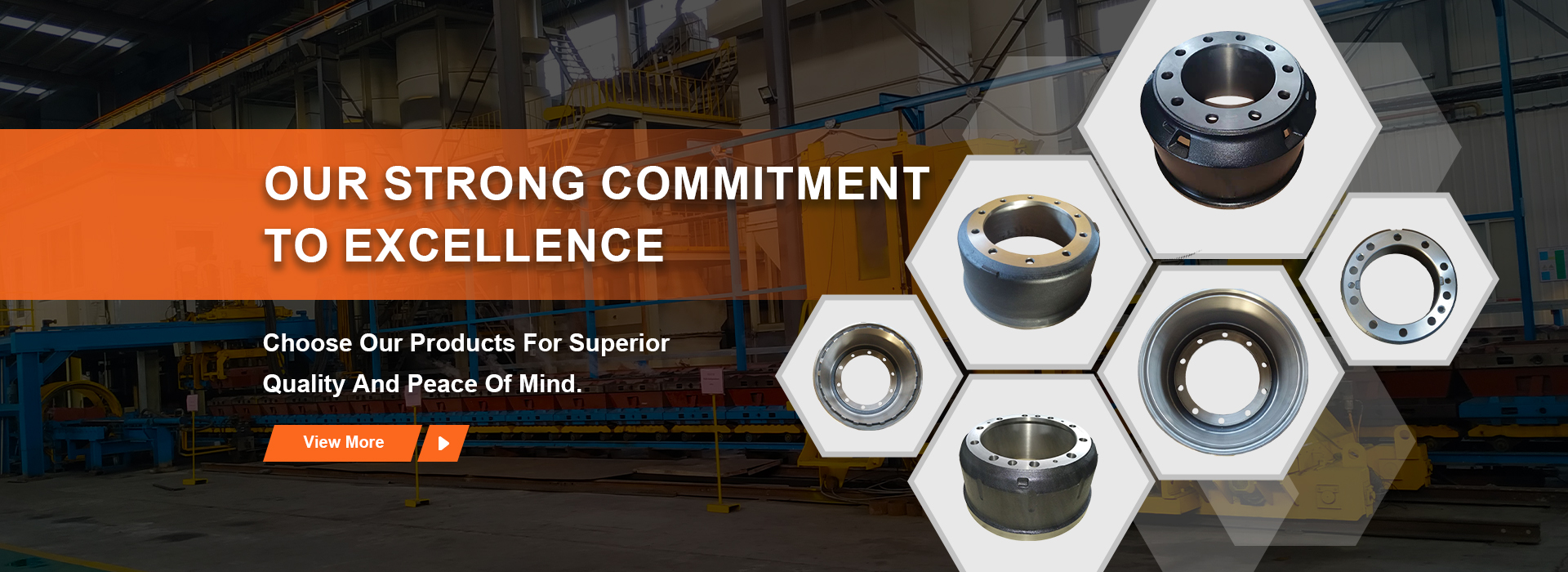
Brake drum wood stoves represent a niche but growing segment within the residential heating market, distinguished by the repurposing of heavy-duty vehicle brake drums as combustion chambers. Historically, these stoves originated as a cost-effective and resourceful solution for utilizing readily available scrap metal, particularly within agricultural and rural communities. The technical position of these stoves resides between waste heat recovery and efficient biomass combustion, functioning as a secondary-use application for durable cast iron components. Core performance characteristics are defined by thermal mass, radiant heat output, and the ability to utilize a wide range of solid fuels, including wood, coal, and biomass pellets. A primary pain point for users is the inherent variability in drum quality and the need for careful construction to ensure safe and efficient operation, coupled with limited standardized performance data.
Material Science & Manufacturing
The primary material component is gray cast iron, typically ASTM A48 Class 30, sourced from discarded vehicle brake drums. The composition generally consists of 2.5-4.0% carbon, 1.2-2.5% silicon, 0.6-1.2% manganese, and smaller percentages of sulfur and phosphorus. This composition provides high thermal conductivity, excellent heat retention due to its density (approximately 7.2 g/cm³), and reasonable resistance to thermal shock. Manufacturing begins with sourcing and cleaning used brake drums, removing rust, grease, and debris. Critical dimensions are inspected for structural integrity – cracks, excessive wear, and warping are disqualifying defects. The drum is then typically modified by cutting an access door for fuel loading and ash removal. Welding is a crucial process, employing shielded metal arc welding (SMAW) or gas metal arc welding (GMAW) with low-hydrogen electrodes to ensure joint strength and prevent cracking. Key parameter control focuses on preheating the drum to minimize thermal stress during welding, maintaining a consistent weld bead profile, and performing post-weld heat treatment (PWHT) to relieve residual stresses. Secondary components, such as air intake dampers and flue connectors, are fabricated from steel plate (typically ASTM A36) and welded to the drum body. The internal configuration, often including a grate system, impacts combustion efficiency and requires precise positioning.
Performance & Engineering
Performance is largely dictated by the drum’s thermal mass and its ability to radiate heat. Heat transfer analysis demonstrates that the cast iron drum acts as a large thermal reservoir, absorbing heat from combustion and releasing it slowly and evenly. Force analysis is critical for structural integrity; the drum must withstand the internal pressure generated during combustion and the stresses induced by thermal expansion. Finite element analysis (FEA) can be used to optimize the drum’s geometry and identify potential weak points. Environmental resistance is a concern, as prolonged exposure to high temperatures and flue gases can cause oxidation and corrosion. The flue system must be properly designed to ensure adequate draft and prevent carbon monoxide buildup. Compliance requirements vary by region but generally involve emissions standards (particularly particulate matter), safety certifications (UL listing or equivalent), and building code approvals. Functional implementation involves controlling the air intake to regulate combustion rate and optimize fuel efficiency. A properly designed air wash system helps to keep the glass (if present) clean and improve visibility of the flame. The stove's performance is impacted by fuel moisture content – seasoned wood with moisture content below 20% is essential for efficient combustion.
Technical Specifications
| Parameter | Typical Value | Units | Testing Standard |
|---|---|---|---|
| Drum Material | Gray Cast Iron (ASTM A48 Class 30) | - | ASTM A48 |
| Drum Wall Thickness | 25-35 | mm | Dimensional Measurement |
| Heating Capacity | 15,000 - 30,000 | BTU/hr | Calculated based on drum size & fuel type |
| Emissions (Particulate Matter) | < 2.5 | g/kg | EPA Certified Test Methods |
| Fuel Consumption (Wood) | 5 - 10 | kg/hr | Controlled Burn Test |
| Maximum Operating Temperature | 600-800 | °C | Thermocouple Measurement |
Failure Mode & Maintenance
Common failure modes include cracking due to thermal stress, particularly around welds. This can be exacerbated by rapid temperature fluctuations or poor welding technique. Another failure mode is oxidation and corrosion of the cast iron, leading to material loss and eventual weakening of the drum. Delamination can occur in areas where the cast iron has internal flaws. Fatigue cracking can develop in areas subjected to repeated stress, such as the door hinges or flue connector. Maintenance should include regular inspection of welds for cracks, cleaning of the flue system to prevent blockages, and removal of ash buildup to maintain proper airflow. Annual inspection by a qualified technician is recommended. Preventative measures include using seasoned wood, avoiding overfiring the stove, and applying a high-temperature coating to protect the cast iron from oxidation. If cracks are detected, the stove should be taken out of service immediately and repaired by a qualified welder. Avoid abrasive cleaning methods as they can compromise the structural integrity of the cast iron.
Industry FAQ
Q: What is the expected lifespan of a brake drum wood stove?
A: The lifespan is highly variable and depends on the quality of the original drum, the manufacturing process, and the frequency of use. However, a properly constructed stove using a sound brake drum can realistically last 10-20 years or more with regular maintenance. The primary limiting factor is corrosion and the potential for cracking.
Q: What fuel types are suitable for use in these stoves?
A: While wood is the most common fuel source, brake drum wood stoves can also efficiently burn coal, wood pellets, and other biomass fuels. However, it’s crucial to adhere to the manufacturer’s recommendations regarding fuel type and size, as improper fuel can lead to incomplete combustion and increased emissions.
Q: Are these stoves EPA certified, and what does that entail?
A: Many homemade or small-scale manufactured brake drum stoves are not EPA certified. Obtaining certification requires rigorous testing to demonstrate compliance with emissions standards for particulate matter and other pollutants. While uncertified stoves can be used, they may be subject to local regulations and may not be eligible for rebates or incentives.
Q: What are the key safety considerations when operating a brake drum wood stove?
A: Safety is paramount. Ensure the stove is installed with proper clearances from combustible materials, that the flue system is correctly sized and installed to prevent carbon monoxide buildup, and that a carbon monoxide detector is present in the home. Never overfire the stove, and always use a fire-resistant hearth pad.
Q: How does the quality of the brake drum impact the stove’s performance and durability?
A: The quality of the brake drum is critical. Drums with significant cracks, warping, or excessive wear should be avoided. The cast iron's composition also matters; drums with higher silicon content tend to have better thermal shock resistance. A thorough inspection before fabrication is essential to ensure a safe and long-lasting stove.
Conclusion
Brake drum wood stoves offer a unique blend of resourcefulness, cost-effectiveness, and radiant heating capabilities. Their performance relies heavily on material selection – specifically, high-quality gray cast iron from durable brake drums – and precise manufacturing techniques, particularly welding and flue system design. Understanding the material science, potential failure modes, and relevant safety standards is crucial for both manufacturers and end-users.
Future development could focus on standardized designs, improved emissions control technologies, and more comprehensive testing to enhance their efficiency and safety. Further research into the effects of different fuel types on drum longevity would also be beneficial. As the demand for sustainable heating solutions continues to grow, brake drum wood stoves have the potential to play a valuable role, particularly in off-grid and rural applications.