

Introduction
Stuck brake drum removal represents a prevalent maintenance challenge across automotive and heavy-duty vehicle sectors. This guide details the complexities involved in separating a corroded or seized brake drum from its hub assembly. The issue arises from a combination of factors including prolonged exposure to environmental conditions, lack of periodic maintenance, and thermal cycling leading to galvanic corrosion between dissimilar metals. The technical position within the vehicle's braking system is critical; failure to effectively address a stuck drum necessitates complete brake disassembly, potentially compromising safety and increasing repair costs. Core performance metrics related to this task include applied force required for separation, the risk of component damage during removal, and the efficiency of various removal techniques. This document provides a comprehensive analysis of the materials, processes, and engineering principles underlying stuck brake drum removal, aimed at technicians and engineers seeking optimized and reliable solutions.
Material Science & Manufacturing
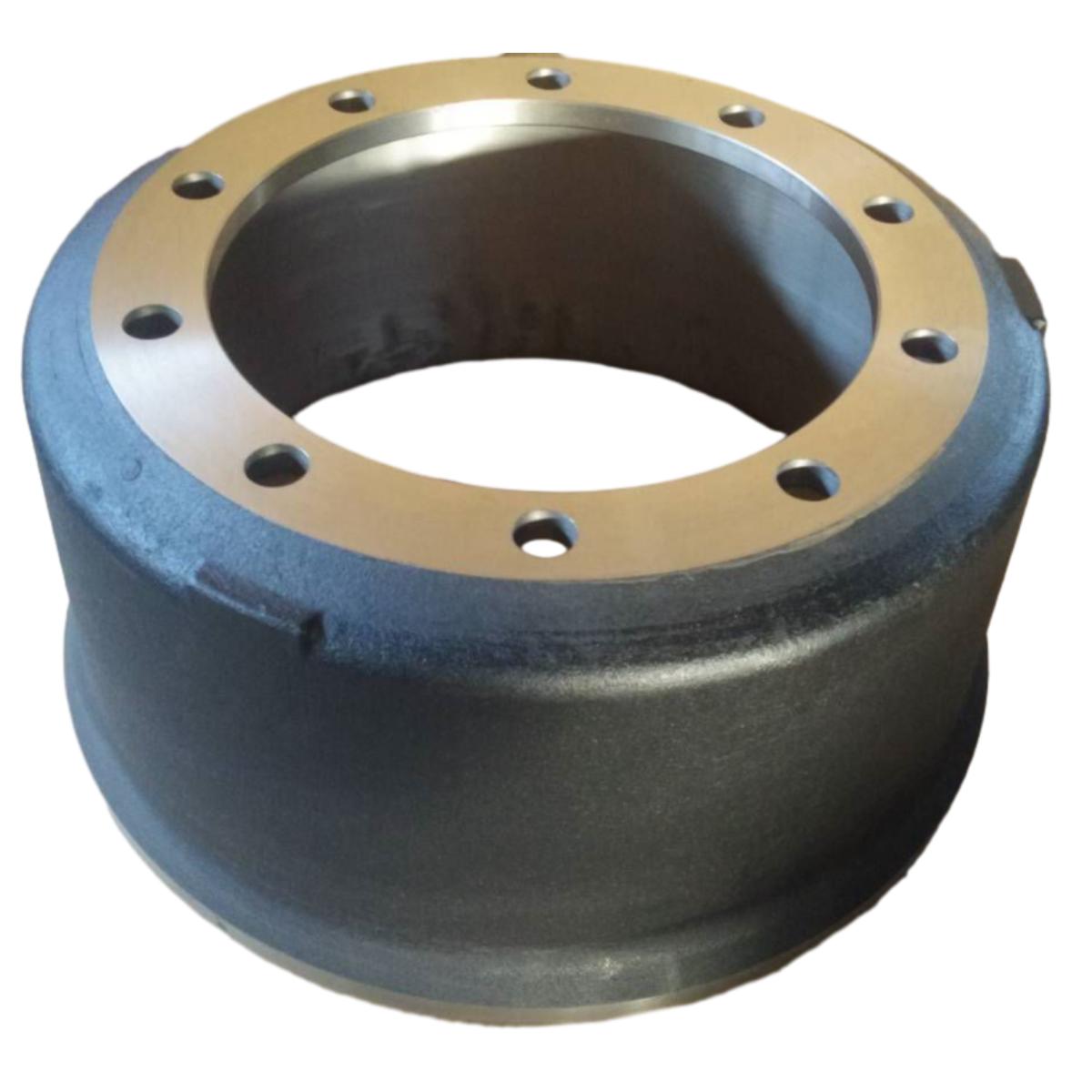
Brake drums are commonly manufactured from cast iron, specifically gray cast iron (ASTM A48 Class 30) due to its high thermal conductivity, wear resistance, and damping characteristics. However, variations exist, including ductile iron for improved strength and composite materials in high-performance applications. The hub assembly is typically constructed from steel alloys, often including carbon steel (AISI 1045) or alloy steel (4140), selected for their tensile strength and fatigue resistance. The interface between the drum and hub is often untreated, creating a prime location for corrosion. Manufacturing processes for brake drums include sand casting, where molten iron is poured into a mold. Critical parameters include cooling rate, which impacts the microstructure and hardness of the cast iron, and mold material composition, influencing surface finish. Hubs are commonly manufactured using forging or machining processes. Seizing is heavily influenced by the electrochemical potential difference between cast iron and steel in the presence of an electrolyte (water, road salt). Galvanic corrosion accelerates when these dissimilar metals are in contact. Rust, primarily iron oxide (Fe₂O₃), forms, expanding and increasing the interference fit between the drum and hub. The presence of chlorides further exacerbates corrosion, forming iron chlorides which are highly hygroscopic, attracting moisture and accelerating the corrosive process. Lubricant degradation over time also contributes, reducing the ability to shear the interface.
Performance & Engineering
The force required to remove a stuck brake drum is a function of several variables, including the contact area, the coefficient of friction between corroded surfaces, the degree of corrosion, and the interference fit initially designed into the assembly. The engineering challenge lies in applying sufficient force without damaging the drum, hub, wheel studs, or surrounding brake components. Methods like using a brake drum puller leverage mechanical advantage, converting rotational force into linear force. However, improper application can lead to hub distortion or stud failure. Heat application is frequently used to exploit thermal expansion differences between the drum and hub. The coefficient of thermal expansion for cast iron is approximately 12 x 10⁻⁶ /°C, while steel ranges from 11-13 x 10⁻⁶ /°C. Controlled heating of the drum induces expansion, reducing the interference fit. However, excessive heat can temper the steel hub, reducing its hardness. Environmental resistance is paramount. Brake components are exposed to significant temperature variations, moisture, and corrosive road salts. Compliance requirements such as FMVSS 105 (Federal Motor Vehicle Safety Standards) dictate minimum braking performance standards, which are directly impacted by the integrity of the drum-hub interface. Finite element analysis (FEA) can be employed to model stress distribution during removal attempts, optimizing puller placement and minimizing risk of component failure.
Technical Specifications
| Parameter | Typical Brake Drum (Cast Iron) | Typical Hub (Steel Alloy) | Corrosion Product Expansion (%) |
|---|---|---|---|
| Material | Gray Cast Iron (ASTM A48 Class 30) | Carbon Steel (AISI 1045) | 5-15% (depending on corrosion severity) |
| Tensile Strength (MPa) | 200-300 | 400-600 | N/A |
| Hardness (Brinell) | 180-250 | 150-200 | N/A |
| Coefficient of Thermal Expansion (/°C) | 12 x 10⁻⁶ | 11-13 x 10⁻⁶ | N/A |
| Corrosion Potential (V vs SCE) | -0.4 to -0.6 | -0.2 to -0.4 | N/A |
| Interference Fit (µm) | 50-150 | N/A | Increases with corrosion |
Failure Mode & Maintenance
Common failure modes during stuck brake drum removal include: drum cracking due to excessive force, hub distortion leading to bearing misalignment, wheel stud shearing, and damage to the brake shield. Fatigue cracking can occur in the drum if repeated forceful attempts are made. Delamination of the drum material can also result from localized stress concentrations induced during pulling. Corrosion-induced pitting weakens the drum structure, making it more susceptible to failure. Oxidation of the hub surface further increases the difficulty of separation. Preventative maintenance is critical. Regularly inspecting brake components for signs of corrosion and applying a corrosion inhibitor can significantly reduce the likelihood of drums becoming stuck. Periodically removing and re-greasing the drum-hub interface during routine brake service prevents the build-up of corrosive materials. If a drum becomes partially stuck, avoid aggressive hammering, as this can induce stress fractures. Instead, focus on penetrating oil application and gradual, controlled force application using appropriate tools. If damage occurs during removal, meticulous inspection of the hub, studs, and surrounding components is essential to ensure safe and reliable brake system operation. Replacement of damaged components is paramount.
Industry FAQ
Q: What is the most common cause of brake drums becoming stuck?
A: The most frequent cause is corrosion at the mating surface between the drum and hub, exacerbated by prolonged exposure to moisture, road salts, and dissimilar metal galvanic reactions. Lack of regular maintenance and lubricant degradation contribute significantly.
Q: Is heat application a universally safe method for removing stuck drums?
A: While effective, heat application must be carefully controlled. Excessive heat can alter the temper of the steel hub, reducing its hardness and compromising its structural integrity. Localized heating is preferable to avoid widespread temperature increases.
Q: What are the risks associated with using a forceful impact (hammering) to remove a stuck drum?
A: Forceful impact can induce stress fractures in the drum, leading to catastrophic failure during subsequent use. It can also damage the wheel studs, hub, and surrounding brake components. It’s generally a method to be avoided.
Q: What type of penetrating oil is most effective for loosening a corroded brake drum?
A: Penetrating oils with a low surface tension and high capillary action, containing corrosion inhibitors, are most effective. Formulations based on solvents like kerosene or mineral spirits, combined with additives like molybdenum disulfide, are commonly used. Repeated applications are often necessary.
Q: How can I prevent brake drums from becoming stuck in the future?
A: Regular inspection for corrosion, application of a corrosion inhibitor to the hub-drum interface during brake service, and periodic removal and re-greasing of the mating surfaces are crucial preventative measures. Ensuring proper drainage around the brake assembly also minimizes moisture exposure.
Conclusion
The removal of stuck brake drums is a complex engineering challenge rooted in material science, corrosion chemistry, and mechanical principles. Successfully addressing this issue requires a thorough understanding of the underlying failure mechanisms, careful selection of removal techniques, and adherence to best practices for preventative maintenance. The potential for component damage is significant, demanding a cautious and methodical approach.
Future research should focus on developing more effective corrosion inhibitors specifically tailored for brake system components and exploring advanced removal methods that minimize stress on critical parts. Further investigation into the long-term effects of different corrosion products on the drum-hub interface would also prove valuable. Ultimately, a proactive maintenance strategy is the most effective means of mitigating the risk of stuck brake drums and ensuring optimal brake system performance.