

Introduction
The brake drum 3600 is a foundational component in braking systems, primarily utilized in heavy-duty vehicles, industrial machinery, and railway applications. Positioned within the vehicle's wheel assembly, the brake drum interfaces directly with the brake shoes, facilitating frictional deceleration through the conversion of kinetic energy into thermal energy. Its performance is critical for vehicle safety and operational efficiency. Key performance characteristics include thermal capacity, wear resistance, and structural integrity under high stress. The 3600 designation typically refers to the nominal diameter in millimeters, however, exact dimensions vary based on application-specific requirements. This guide provides an in-depth exploration of the material science, manufacturing processes, engineering considerations, potential failure modes, and maintenance procedures related to the brake drum 3600.
Material Science & Manufacturing
Brake drums are traditionally manufactured from gray cast iron due to its exceptional thermal conductivity, damping characteristics, and cost-effectiveness. The specific grade of cast iron (e.g., ASTM A48 Class 30) dictates the microstructure and resultant mechanical properties. The typical composition consists of 2.5-4.0% carbon, 1.2-2.5% silicon, 0.7-1.3% manganese, and smaller percentages of sulfur and phosphorus. The graphite flake morphology within the iron matrix contributes to its machinability and lubrication properties. More recently, ductile cast iron (ASTM A48 Class 25) and steel alloys are also employed, especially in high-performance applications demanding higher strength and wear resistance.
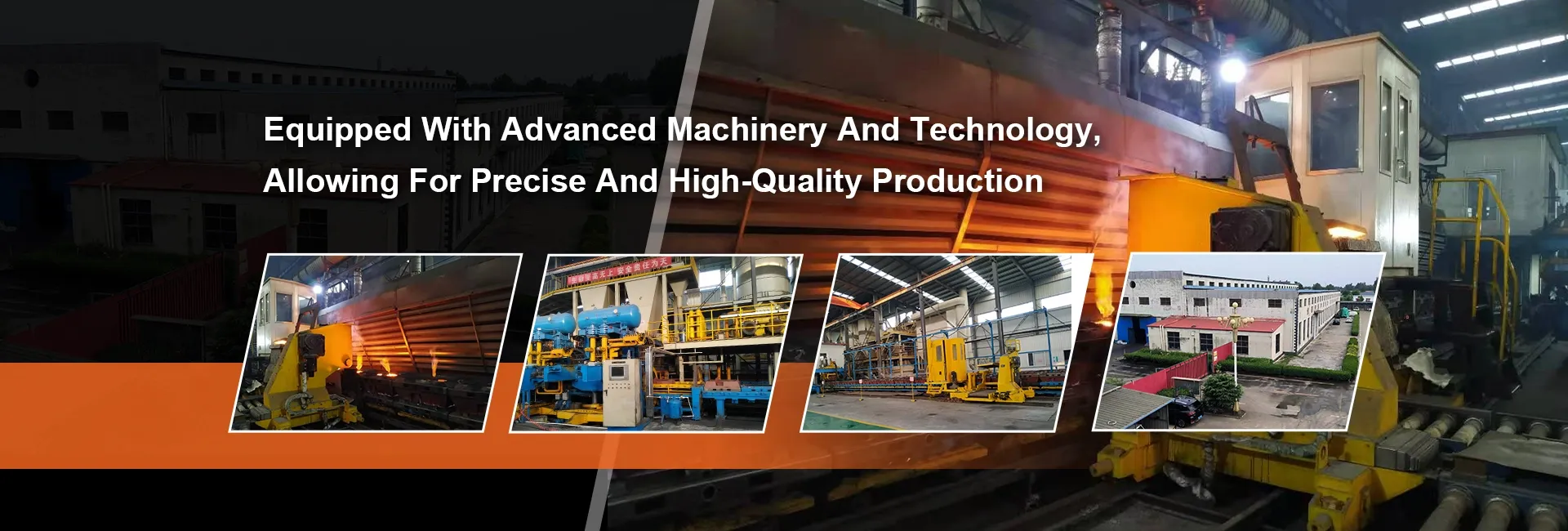
Manufacturing processes commonly involve sand casting, centrifugal casting, or permanent mold casting. Sand casting is the most prevalent due to its versatility and lower tooling costs, though it generally yields a rougher surface finish. Centrifugal casting, where molten metal is poured into a rotating mold, produces a denser, more uniform structure with enhanced mechanical properties. Permanent mold casting offers improved dimensional accuracy and surface finish compared to sand casting but is limited to higher production volumes. Following casting, the drum undergoes machining operations – turning, milling, and drilling – to achieve precise dimensions and smooth braking surfaces. Heat treatment processes, such as annealing, are often employed to relieve residual stresses and improve machinability. Quality control measures include radiographic inspection for porosity, dimensional verification using coordinate measuring machines (CMMs), and hardness testing to confirm material properties. Parameter control during casting (pour temperature, cooling rate) and machining (cutting speed, feed rate) are crucial for maintaining dimensional accuracy and minimizing defects.
Performance & Engineering
The performance of a brake drum 3600 is heavily influenced by its ability to dissipate heat generated during braking. Finite element analysis (FEA) is routinely used to model thermal stress distribution within the drum under various braking conditions. Key engineering considerations include maximizing surface area for heat transfer, optimizing fin design (where applicable), and selecting materials with high thermal conductivity. The drum's structural integrity is paramount; it must withstand centrifugal forces, radial loads from the brake shoes, and thermal stresses without fracturing or deforming. Force analysis considers the friction coefficient between the brake shoes and the drum, the braking torque, and the resulting stresses on the drum’s internal surfaces. Compliance requirements, such as those stipulated by SAE J10 and FMVSS 105 (Federal Motor Vehicle Safety Standards) in the United States, mandate minimum performance criteria for braking systems, including drum performance. Environmental resistance is also critical. Brake drums are exposed to corrosive elements like road salt, moisture, and contaminants, necessitating coatings or material selection that mitigates corrosion. Proper ventilation is critical to prevent brake fade, a loss of braking performance due to overheating.
Technical Specifications
| Parameter | Unit | Typical Value (Brake Drum 3600) | Testing Standard |
|---|---|---|---|
| Nominal Diameter | mm | 3600 | ISO 6481 |
| Material | - | Gray Cast Iron (ASTM A48 Class 30) | ASTM A48 |
| Tensile Strength | MPa | 200-280 | ASTM A48 |
| Hardness (Brinell) | HB | 180-250 | ASTM A25 |
| Thermal Conductivity | W/m·K | 45-55 | ASTM E1225 |
| Maximum Operating Temperature | °C | 400 | SAE J10 |
Failure Mode & Maintenance
Common failure modes for brake drums 3600 include thermal cracking, wear, and deformation. Thermal cracking arises from repeated thermal cycling and uneven heat distribution, leading to fatigue cracks initiating on the drum’s inner surface. Wear occurs due to the abrasive action of the brake shoes, gradually reducing drum thickness. Excessive wear can compromise structural integrity. Deformation, often manifested as ovality, can result from localized overheating or impact damage, leading to brake shoe chatter and reduced braking performance. Oxidation and corrosion, especially in harsh environments, can weaken the material and accelerate wear. Failure analysis techniques, such as metallography and fracture surface analysis (using scanning electron microscopy - SEM), are employed to determine the root cause of failures.
Preventive maintenance is critical. Regular inspections should assess drum thickness, surface condition (cracks, scoring), and runout. Minimum thickness limits, specified by the manufacturer, must be adhered to. Brake shoe relining or replacement should be performed when linings are worn below acceptable levels. Proper lubrication of brake shoe pivot points is essential to prevent binding and uneven wear. Surface finishing techniques, such as re-machining, can restore drum geometry and improve braking performance. Avoidance of harsh chemicals and regular cleaning to remove contaminants can minimize corrosion. Storage in a dry environment is also important to prevent corrosion. Adhering to manufacturer's recommended service intervals is crucial for maximizing brake drum lifespan.
Industry FAQ
Q: What is the impact of varying the carbon content in gray cast iron used for brake drums?
A: Increasing carbon content generally enhances machinability but reduces tensile strength and thermal conductivity. Conversely, decreasing carbon content improves strength and thermal conductivity but makes the material more difficult to machine. Optimal carbon content is a trade-off dictated by application requirements. High carbon content is suitable where machining ease is paramount, while lower carbon content is preferred for high-performance applications requiring superior heat dissipation and strength.
Q: How does the drum’s surface finish affect braking performance and wear?
A: A rough surface finish increases friction initially but accelerates wear of both the drum and brake shoes. A smooth surface finish minimizes wear but may reduce initial friction. An optimally finished surface provides a balance between friction and wear. The ideal surface roughness depends on the brake lining material and operating conditions.
Q: What are the limitations of using steel brake drums compared to cast iron drums?
A: Steel drums generally exhibit higher strength and heat resistance but are more expensive than cast iron drums. Steel also has lower thermal conductivity, potentially leading to increased operating temperatures. Corrosion resistance is also a concern with steel drums, requiring protective coatings.
Q: What is the role of ventilation holes or fins in brake drum design?
A: Ventilation holes or fins significantly increase the surface area exposed to airflow, enhancing convective heat transfer and reducing drum temperature. This improves braking performance, reduces brake fade, and extends the lifespan of the brake system. However, these features can also slightly compromise structural integrity.
Q: What non-destructive testing (NDT) methods are commonly used to inspect brake drums for defects?
A: Common NDT methods include magnetic particle inspection (MPI) for detecting surface cracks, liquid penetrant testing (LPT) for detecting surface discontinuities, ultrasonic testing (UT) for detecting internal flaws, and radiographic testing (RT) for inspecting the entire drum volume for porosity and cracks.
Conclusion
The brake drum 3600 remains a critical component in numerous braking systems, demanding a comprehensive understanding of its material science, manufacturing processes, and performance characteristics. Optimizing the material selection, manufacturing techniques, and maintenance procedures are crucial for ensuring reliable and safe braking performance. The continued development of advanced materials and manufacturing technologies, coupled with rigorous testing and analysis, will drive improvements in brake drum durability, efficiency, and overall system performance.
Future advancements will likely focus on lightweight materials, such as composite materials, to reduce unsprung mass and improve vehicle handling. Furthermore, the integration of sensors and monitoring systems will enable real-time assessment of drum condition and predictive maintenance strategies, enhancing safety and reducing lifecycle costs. Addressing the challenges of corrosion and wear through advanced coatings and surface treatments will also remain a primary focus.