
Introduction
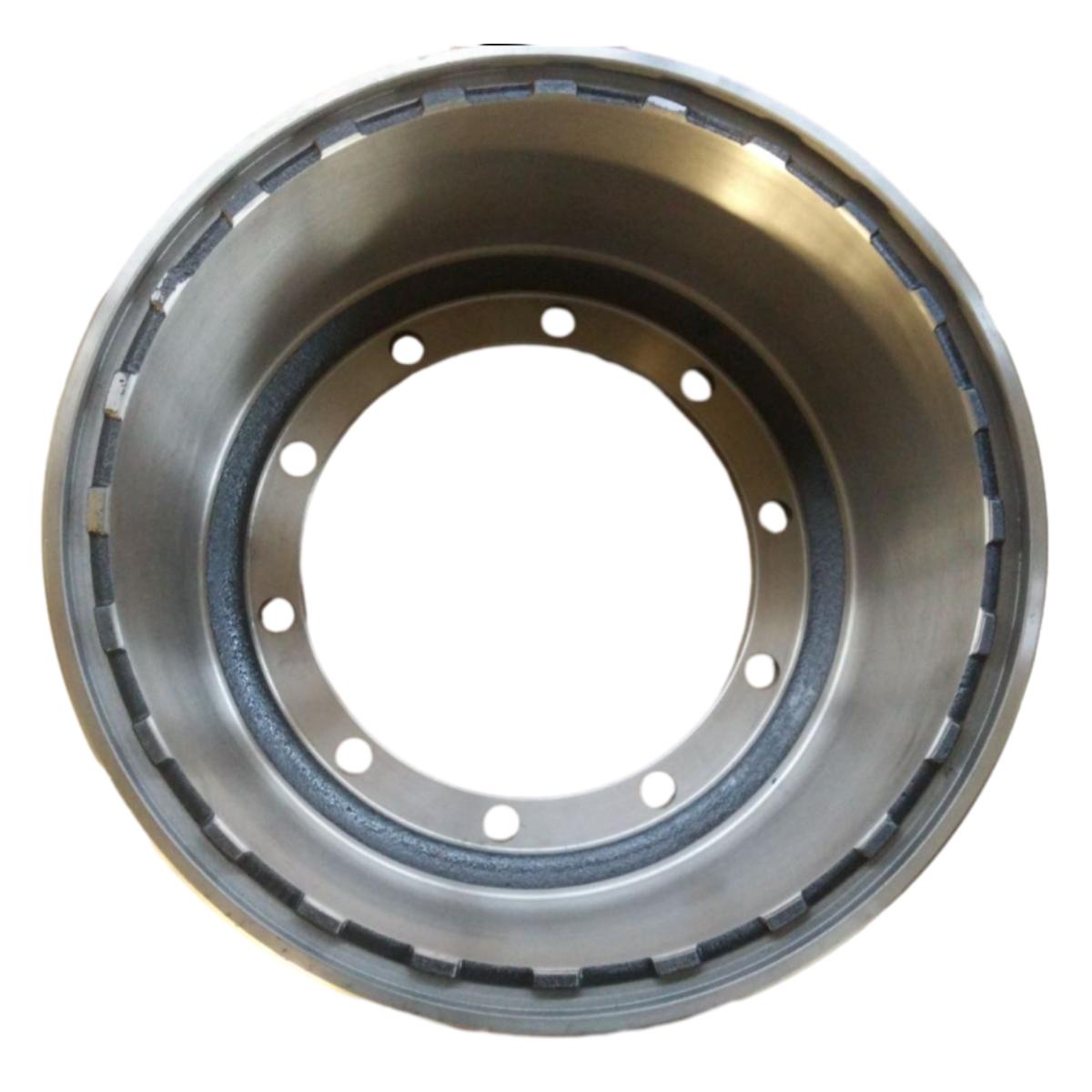
Brake drum balancing is a critical aspect of vehicle safety and performance, particularly in heavy-duty applications such as commercial vehicles, industrial machinery, and rail systems. A brake drum assembly, comprising the drum itself, hub, and often integrated components like studs and bearings, must achieve rotational equilibrium to prevent vibration, uneven wear, and potential failure. This guide provides an in-depth examination of the principles, processes, and technical considerations surrounding brake drum balancing, covering material science, manufacturing techniques, performance parameters, failure modes, and relevant industry standards. Imbalance creates dynamic forces during braking, leading to noise, reduced braking efficiency, accelerated pad wear, and, in severe cases, structural damage to the entire braking system and associated drivetrain components. The precise balancing of these components directly influences stopping distances, operator comfort, and overall system reliability. This document focuses on the dynamic balancing of assembled brake drums, assuming a functional braking system and proper component fitment. It does not cover static balancing or individual component balancing before assembly.
Material Science & Manufacturing
Brake drums are predominantly manufactured from gray cast iron due to its superior heat dissipation characteristics, wear resistance, and cost-effectiveness. The specific grade of cast iron (e.g., ASTM A48 Class 30) dictates the material’s tensile strength, hardness, and thermal conductivity. The manufacturing process typically involves sand casting, although centrifugal casting is employed for larger, high-performance drums. The casting process introduces inherent imbalances stemming from variations in material density and geometry. Following casting, the drum undergoes machining operations – turning, milling, and grinding – to achieve the final dimensions and surface finish. These machining processes, while precise, can further contribute to imbalance if not carefully controlled. Material properties of concern include graphite flake size and distribution within the cast iron matrix, as these impact wear rates and thermal shock resistance. Hubs are commonly fabricated from ductile cast iron or forged steel, offering higher tensile strength and impact resistance than gray cast iron. Welding processes are used to attach hubs to drums in some designs; maintaining dimensional accuracy and minimizing distortion during welding is paramount to achieving balance. Key parameters in manufacturing include mold temperature, cooling rate, machining tool wear, and the precision of the balancing machine used after assembly.

Performance & Engineering
The performance of a balanced brake drum is evaluated by minimizing the dynamic imbalance, expressed in gram-centimeters (g-cm) or ounce-inches (oz-in). The acceptable imbalance level is dictated by the application and operating speed. Higher speeds necessitate tighter tolerances. Engineering analysis focuses on the forces generated during braking. Centrifugal forces induced by imbalance exacerbate stress concentrations within the drum and hub, potentially leading to fatigue cracking. Finite element analysis (FEA) is used to model the stress distribution under various braking loads and identify critical areas prone to failure. The damping capacity of the drum material plays a role in mitigating vibrations caused by imbalance. Considerations include the drum's rotational inertia, the mass distribution of the hub and fasteners, and the stiffness of the mounting system. Compliance requirements, such as those outlined by the Society of Automotive Engineers (SAE) and local regulatory bodies, specify maximum allowable imbalance levels and testing procedures. Furthermore, thermal analysis is important. Repeated braking generates significant heat, and uneven heat distribution due to imbalance can create thermal stresses and distortion, further impacting balance and performance.
Technical Specifications
| Parameter | Typical Value (Heavy Duty Truck Drum) | Unit | Test Standard |
|---|---|---|---|
| Drum Diameter | 419 | mm | SAE J1005 |
| Drum Width | 140 | mm | SAE J1005 |
| Maximum Allowable Imbalance | 60 | g-cm | ISO 8821 |
| Material (Drum) | Gray Cast Iron ASTM A48 Class 30 | - | ASTM A48 |
| Material (Hub) | Ductile Cast Iron ASTM 60-40-18 | - | ASTM A47 |
| Tensile Strength (Drum) | 205-280 | MPa | ASTM A48 |
Failure Mode & Maintenance
Common failure modes related to imbalance include premature brake pad wear (caused by uneven contact pressure), brake squeal and vibration (resulting from dynamic excitation of the system), fatigue cracking in the drum or hub (induced by cyclic stresses), and hub stud failure (due to increased stress concentrations). Visual inspection for signs of cracking, warping, or excessive wear is the first step in maintenance. Dynamic balancing machines utilize sophisticated sensors and algorithms to identify and quantify imbalance. The correction process typically involves removing material from the heavier side of the drum, either through drilling or grinding. However, excessive material removal can compromise the structural integrity of the drum. Proper torqueing of hub fasteners is crucial; loose fasteners can introduce imbalance and accelerate wear. Regular inspection of the drum surface for corrosion or spalling is also essential. Preventative maintenance includes periodic re-balancing, lubrication of bearing surfaces, and ensuring proper brake adjustment. Fatigue cracking can propagate slowly over time, so ultrasonic testing or magnetic particle inspection may be used to detect subsurface flaws. Proper storage and handling of drums are crucial to avoid distortion or damage that could affect balance.
Industry FAQ
Q: What is the impact of using mismatched brake drums on a vehicle?
A: Using mismatched brake drums, even if they appear geometrically similar, can significantly compromise braking performance and safety. Variations in weight, material composition, and manufacturing tolerances will lead to imbalance, causing uneven brake application, increased stopping distances, and potential for vibration and premature wear of brake components. The vehicle's anti-lock braking system (ABS) may also be affected, leading to reduced efficiency.
Q: How often should brake drums be re-balanced?
A: The frequency of re-balancing depends on the operating conditions and severity of service. For heavy-duty applications, such as commercial trucking, re-balancing is typically recommended every 50,000 to 100,000 miles or during routine brake maintenance. If noticeable vibration or noise develops during braking, a re-balancing inspection should be performed immediately.
Q: What are the limitations of on-vehicle brake balancing?
A: While on-vehicle balancing can identify gross imbalances, it is less precise than off-vehicle balancing on a dedicated machine. On-vehicle methods are susceptible to interference from other rotating components and are limited in their ability to pinpoint the exact location of imbalance. Off-vehicle balancing provides a more controlled environment and allows for precise correction.
Q: Can brake drum imbalance cause damage to other components in the braking system?
A: Yes. Significant imbalance can induce excessive stress on brake calipers, wheel bearings, and even suspension components. This can lead to premature failure of these parts, increasing maintenance costs and potentially creating a safety hazard. The vibrations transmitted through the system can also loosen fasteners and accelerate wear on rubber bushings.
Q: What are the key considerations when selecting a brake drum balancing machine?
A: Key considerations include the machine’s capacity (maximum drum weight and diameter), the accuracy of its sensors, the type of correction methods it supports (drilling, grinding), and the software features it offers for data analysis and reporting. The machine should also be capable of handling the specific types of brake drums used in your application.
Conclusion
Achieving and maintaining precise balance in brake drums is paramount to ensuring safe, reliable, and efficient braking performance. The interplay of material science, manufacturing precision, and rigorous engineering analysis governs the effectiveness of the balancing process. Failure to address imbalance can result in a cascade of negative consequences, including premature component wear, increased maintenance costs, and compromised vehicle safety.
Looking ahead, advancements in balancing technology, such as automated correction systems and predictive maintenance algorithms, will further enhance the longevity and reliability of brake drum assemblies. Continued adherence to industry standards and best practices, coupled with a proactive approach to maintenance, will remain essential for maximizing the performance and safety of braking systems in a wide range of industrial and automotive applications.