

Introduction
The 77807bw component represents a critical element within heavy-duty braking systems, specifically designed for industrial applications including mining, construction, and large-scale material handling equipment. Classified as a cast iron brake drum, it’s positioned within the friction braking system, functioning as the rotating component against which brake shoes or pads are applied to generate stopping force. Its core performance metrics revolve around thermal capacity, wear resistance, and structural integrity under substantial loads and repeated thermal cycling. The industry faces consistent pressures to enhance braking performance while minimizing downtime and maintenance requirements, particularly regarding brake drum lifespan and the prevention of thermal cracking. 77807bw addresses these challenges through optimized material composition and manufacturing processes, delivering consistent and reliable braking performance in demanding environments.
Material Science & Manufacturing
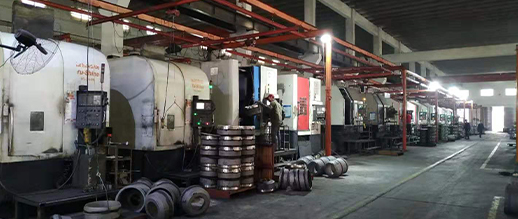
The 77807bw brake drum is primarily manufactured from gray cast iron, specifically a grade selected for its high carbon content (typically 2.5-4.0%), which contributes to excellent damping characteristics and wear resistance. The raw materials include iron ore, coke, limestone, and alloying elements such as copper and nickel, incorporated to improve specific properties like thermal conductivity and tensile strength. The manufacturing process commences with patternmaking, followed by mold creation – typically employing sand casting techniques. Critical parameters during sand casting involve sand composition (grain size, clay content), moisture levels, and ramming pressure, all impacting surface finish and dimensional accuracy. Following casting, the drums undergo heat treatment, typically involving annealing to relieve internal stresses and normalizing to refine grain structure. Machining operations, including turning, milling, and grinding, are then performed to achieve precise dimensions and smooth braking surfaces. Quality control throughout the process includes chemical analysis of the raw materials, radiographic inspection for internal flaws, and dimensional verification using coordinate measuring machines (CMMs). The metallurgical structure, primarily consisting of graphite flakes within a ferrite matrix, dictates the drum's ability to dissipate heat and resist wear. The size and distribution of graphite flakes directly impact wear rates, with smaller, more uniformly distributed flakes leading to improved performance.
Performance & Engineering
The performance of the 77807bw is heavily influenced by its ability to manage thermal energy generated during braking events. Force analysis reveals that braking forces are converted into heat energy through friction, and this heat must be efficiently dissipated to prevent thermal fade and potential structural failure. The drum's thermal capacity is characterized by its specific heat capacity and thermal conductivity, with higher values contributing to better heat absorption and distribution. Finite Element Analysis (FEA) is routinely employed during the design phase to simulate stress distributions under various loading conditions, including radial loads from brake shoes and thermal stresses induced by temperature gradients. Engineering considerations include minimizing stress concentrations at key areas like the lug bolt holes and the braking surface. Environmental resistance is crucial, particularly in applications exposed to corrosive environments (e.g., saltwater, acidic atmospheres). Protective coatings, such as zinc plating or epoxy primers, are often applied to enhance corrosion resistance. Compliance requirements, dictated by standards like SAE J10 and FMVSS 105 in the automotive sector (though adaptable to heavy industry standards), necessitate rigorous testing for braking performance, fade resistance, and structural integrity. The drum's design must account for these standards, ensuring consistent and reliable performance across a specified operating temperature range and duty cycle.
Technical Specifications
| Parameter | Unit | Specification | Testing Standard |
|---|---|---|---|
| Diameter | mm | 406.4 | ISO 6453 |
| Width | mm | 88.9 | DIN 50185 |
| Material | - | Gray Cast Iron (HT250) | ASTM A48 Class 30 |
| Maximum Operating Temperature | °C | 400 | SAE J10 |
| Tensile Strength | MPa | 250 | ASTM A48 |
| Hardness (Brinell) | HB | 180-240 | ASTM A25 |
Failure Mode & Maintenance
Common failure modes for the 77807bw brake drum include thermal cracking, wear, and deformation. Thermal cracking arises from repeated thermal cycling and excessive heat buildup, leading to fatigue failure. The presence of pre-existing flaws or stress concentrations significantly accelerates this process. Wear, primarily abrasive wear, occurs due to friction between the drum and brake shoes or pads. Wear rates are influenced by material hardness, operating conditions, and the presence of contaminants. Deformation can result from excessive loading or impact, leading to ovality or warping of the drum surface. Failure analysis often involves fractography to identify the crack initiation point and determine the root cause of failure. Regular maintenance is crucial for extending drum lifespan. This includes periodic inspection for cracks, wear, and deformation. Measuring drum diameter and surface roughness can indicate wear levels. Applying a high-temperature lubricant to the braking surface can reduce friction and heat buildup. If significant wear or deformation is detected, the drum must be replaced. Furthermore, proper adjustment of the braking system is essential to ensure even contact between the drum and brake shoes, minimizing uneven wear and reducing stress concentrations. Avoid sudden, harsh braking, which generates excessive heat and stresses the drum.
Industry FAQ
Q: What is the impact of varying drum material composition on thermal cracking resistance?
A: Increasing the nickel content in the cast iron alloy improves thermal shock resistance by increasing thermal conductivity and reducing thermal expansion coefficient mismatch. However, this comes at a cost increase. Similarly, controlling the graphite flake morphology – striving for smaller, more uniformly distributed flakes – also improves resistance to thermal cracking as it enhances heat dissipation and reduces stress concentration points.
Q: How does the surface finish of the drum affect braking performance and wear?
A: A smoother surface finish reduces friction coefficient and initial wear rates. However, excessively smooth surfaces can reduce the coefficient of friction, potentially decreasing braking effectiveness. An optimally machined surface provides sufficient friction for effective braking while minimizing abrasive wear on the brake shoes. Surface roughness should be controlled within a specific range as per industry standards.
Q: What preventative measures can be taken to mitigate the risk of drum deformation under high loads?
A: Ensuring proper lug nut torque and utilizing wheel spacers appropriately are critical. Finite Element Analysis (FEA) during the design phase can optimize the drum’s structural integrity and identify potential weak points. Utilizing a thicker drum wall can increase resistance to deformation, but this also increases weight. Regular inspection for lug nut looseness and wheel bearing wear is also vital.
Q: Can the 77807bw drum be resurfaced if it exhibits minor wear or scoring?
A: Resurfacing is possible if the wear is minimal and the drum thickness remains within acceptable limits specified by the manufacturer. However, each resurfacing reduces the drum's thickness and heat capacity, potentially compromising its performance and lifespan. Resurfacing must be performed by a qualified machinist using appropriate techniques to ensure concentricity and surface finish.
Q: What are the implications of using incompatible brake shoe materials with the 77807bw drum?
A: Using incompatible materials can lead to accelerated wear on both the drum and brake shoes, reduced braking efficiency, and increased noise. Different brake shoe materials have varying friction coefficients and wear characteristics. Selecting a brake shoe material that is compatible with the cast iron drum is essential for optimal performance and longevity. Consult the manufacturer’s recommendations for suitable brake shoe materials.
Conclusion
The 77807bw cast iron brake drum is a critical component in heavy-duty braking systems, demanding a comprehensive understanding of material science, manufacturing processes, and engineering principles. Its performance is intrinsically linked to its ability to manage thermal energy, resist wear, and maintain structural integrity under demanding operating conditions. Proper material selection, precise manufacturing controls, and diligent maintenance practices are paramount to maximizing its service life and ensuring reliable braking performance.
Future developments in brake drum technology will likely focus on advanced materials – such as composite materials – to further reduce weight and enhance thermal management capabilities. Implementing real-time monitoring systems to track drum temperature and wear can also enable proactive maintenance and prevent catastrophic failures. Continued refinement of FEA modeling and testing protocols will contribute to the design of more robust and efficient brake drums, ultimately improving safety and reducing operational costs.