
Introduction
Snap-on drum brake tools represent a critical component within the automotive maintenance and repair sector, specifically focused on the servicing of drum braking systems. These tools facilitate the controlled removal, inspection, and installation of brake drums, shoes, and associated hardware. Their technical positioning within the industry chain is as specialized hand tools, bridging the gap between general automotive tool sets and the precision requirements of brake system servicing. Core performance characteristics center around maximizing leverage, preventing damage to brake components, and ensuring technician safety. The increasing complexity of vehicle designs, particularly with integrated parking brake systems within the drum, necessitates specialized tooling like those offered by Snap-on. A primary industry pain point addressed by these tools is the difficulty and potential for damage during stubborn drum removal, often requiring significant force and potentially damaging the brake shoes or drum itself. Effective drum brake tools reduce repair times, minimize component damage, and contribute to safer vehicle operation. The prevalence of older vehicles retaining drum brake systems, alongside certain heavy-duty applications, maintains consistent demand for these specialized tools.
Material Science & Manufacturing
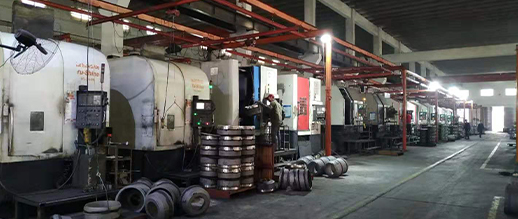
The manufacture of Snap-on drum brake tools typically involves a combination of high-strength alloy steels, often 4140 or similar chromium-molybdenum alloys, for critical components like jaws, levers, and threaded sections. These alloys are selected for their high tensile strength, yield strength, and resistance to torsional stress. Material hardness, achieved through heat treatment processes like quenching and tempering, is paramount – typically reaching Rockwell C (HRC) 45-55 to resist deformation under load. The jaws, frequently in direct contact with the brake drum, may incorporate hardened steel inserts to minimize wear and prevent damage to the drum's mating surface. Manufacturing processes include forging for high-stress components to improve grain structure and strength, followed by precision machining using CNC milling and turning centers. Threaded components are often rolled rather than cut to enhance fatigue resistance. Surface finishing typically involves phosphate coating or black oxide treatment to provide corrosion resistance. Handle materials range from reinforced polymers for ergonomic grip and insulation to steel tubing with rubberized coatings. Critical parameter control includes dimensional accuracy of jaws to ensure proper fitment, precise heat treatment cycles to achieve desired hardness, and rigorous quality control checks for weld integrity (if applicable) and surface finish. Chemical compatibility is also considered, ensuring that coatings and materials resist degradation from brake fluid and cleaning solvents.

Performance & Engineering
Performance of Snap-on drum brake tools is fundamentally dictated by force amplification and stress distribution. The lever arm design is a critical engineering aspect, maximizing mechanical advantage to reduce the force required by the technician. Force analysis considers the moment arm length, pivot point location, and the force applied by the technician to determine the output force at the drum. Finite element analysis (FEA) is frequently employed during the design phase to optimize stress distribution and prevent component failure. Environmental resistance is crucial; tools must withstand exposure to moisture, brake dust, road salt, and temperature fluctuations. Corrosion protection, achieved through coatings and material selection, is therefore vital. Compliance requirements include adherence to safety standards such as those set by the Hand Tools Institute (HTI). Functional implementation focuses on providing a secure and non-destructive grip on the brake drum, preventing slippage and minimizing the risk of damage. The design must account for variations in drum diameter and manufacturing tolerances. Consideration is given to the integrated parking brake cable, requiring tools to either accommodate its presence or facilitate its safe disconnection. Fatigue life is a key performance indicator, especially for frequently used tools. Repeated stress cycles can lead to micro-cracking and eventual failure, necessitating robust design and high-quality materials.
Technical Specifications
| Tool Type | Capacity (Drum Diameter Range) | Material – Jaw | Material – Handle | Weight | Overall Length |
|---|---|---|---|---|---|
| Drum Brake Lever Tool | 8" - 12" (203mm - 305mm) | Chrome Vanadium Steel, HRC 50-55 | Alloy Steel with Rubber Grip | 2.5 lbs (1.13 kg) | 18" (457 mm) |
| Drum Brake Puller Tool (Internal) | 5" - 8" (127mm - 203mm) | 4140 Alloy Steel, HRC 45-50 | Carbon Steel with Vinyl Grip | 1.8 lbs (0.82 kg) | 12" (305mm) |
| Drum Brake Holding Tool | Universal – Adjustable | Forged Steel, HRC 40-45 | Alloy Steel with Rubberized Coating | 3.2 lbs (1.45kg) | 14" (356 mm) |
| Drum Brake Shoe Spring Tool | Various Spring Types | Spring Steel, Hardened | Polypropylene Handle | 0.5 lbs (0.23kg) | 8" (203 mm) |
| Brake Drum Retainer Tool | Various Drum Sizes | Chrome Molybdenum Steel | Alloy Steel with Rubber Grip | 1.2 lbs (0.54kg) | 10" (254 mm) |
| Parking Brake Disconnect Tool | Cable Diameter: 0.125” - 0.187” | Stainless Steel | Aluminum Alloy | 0.3 lbs (0.14kg) | 6" (152 mm) |
Failure Mode & Maintenance
Common failure modes for Snap-on drum brake tools include jaw breakage due to excessive force, lever arm fatigue cracking from repeated stress cycles, and thread stripping on adjustable components. Fatigue cracking often initiates at stress concentration points, such as the root of a bend in the lever arm or around weld points. Jaw breakage is often a result of exceeding the tool's capacity or using it on corroded or damaged drums. Thread stripping can occur if the tool is over-torqued or if debris contaminates the threads. Another failure mode is the degradation of rubber grips, leading to reduced grip and potential slippage. Corrosion can also lead to tool failure, particularly in environments with high humidity or exposure to road salt. Maintenance solutions include regular visual inspection for cracks, wear, and corrosion. Lubricating threaded components prevents seizing and reduces the risk of stripping. Replacing worn or damaged grips ensures a secure and comfortable grip. Cleaning tools after use removes brake dust and contaminants. For tools with moving parts, periodic disassembly and inspection for wear are recommended. Avoid using excessive force and always adhere to the tool’s specified capacity. Proper storage in a dry environment minimizes corrosion. Regular calibration of adjustable tools ensures accurate and reliable performance. Preventative maintenance significantly extends the service life of these tools and minimizes the risk of failure during critical brake repair operations.
Industry FAQ
Q: What is the primary difference between a drum brake lever tool and a drum brake puller tool?
A: A drum brake lever tool utilizes mechanical advantage through a lever arm to physically pry the drum off the wheel hub. It’s best suited for drums that are only mildly stuck. A drum brake puller tool, on the other hand, utilizes a threaded mechanism to exert a controlled pulling force directly on the drum, often used when drums are severely corroded or stuck. The puller tool provides a more direct and powerful extraction force, minimizing the risk of damage to the drum or hub.
Q: How do I prevent damage to the wheel studs when using a drum brake puller tool?
A: Damage to wheel studs can occur if the puller tool applies uneven pressure or if the studs are already weakened by corrosion. Ensure the puller tool is properly aligned and centered on the drum. Use a torque wrench to apply the pulling force gradually, avoiding sudden jerks. If studs are corroded, consider applying penetrating oil before attempting removal. Using a puller with multiple arms distributing the force evenly is also recommended.
Q: What material properties are most important for drum brake tool jaws?
A: High hardness and wear resistance are paramount for drum brake tool jaws. Chrome vanadium steel or similar high-carbon alloy steels are commonly used, hardened to a Rockwell C (HRC) of 50-55 or higher. This hardness prevents deformation under load and minimizes wear when contacting the drum’s mating surface. The jaw material must also possess sufficient toughness to resist chipping or fracturing under stress.
Q: What is the recommended maintenance schedule for drum brake tools?
A: A recommended maintenance schedule includes a visual inspection before each use for cracks, wear, or corrosion. Regularly lubricate threaded components. Clean tools after each use to remove brake dust and contaminants. Periodically check and tighten any loose fasteners. Replace worn or damaged grips. For tools with moving parts, disassemble and inspect for wear annually or as needed.
Q: How does the design of a drum brake holding tool ensure a secure grip on the drum?
A: Drum brake holding tools utilize a clamping mechanism, often employing adjustable arms or a self-adjusting design, to securely grip the drum’s outer surface. The clamping surfaces are typically serrated or textured to maximize friction and prevent slippage. The tool’s design incorporates a robust locking mechanism to maintain the clamping force during operation. Proper adjustment of the tool to match the drum’s diameter is crucial for a secure grip.
Conclusion
Snap-on drum brake tools represent a critical investment for automotive technicians, delivering precision, durability, and safety in drum brake servicing. Their effectiveness hinges on the careful selection of materials – high-strength alloy steels and hardened components – coupled with robust manufacturing processes like forging, CNC machining, and precise heat treatment. Understanding the engineering principles of force amplification, stress distribution, and environmental resistance is essential for selecting and maintaining these tools.
The future of drum brake tooling will likely focus on enhanced ergonomic designs, integration with digital torque measurement systems for precise control, and the development of specialized tools for increasingly complex integrated parking brake systems. Proper maintenance, including regular inspection, lubrication, and replacement of worn components, is paramount to maximizing tool lifespan and ensuring safe and efficient operation. Adherence to relevant industry standards and safety protocols remains non-negotiable for professional automotive repair.