
Introduction
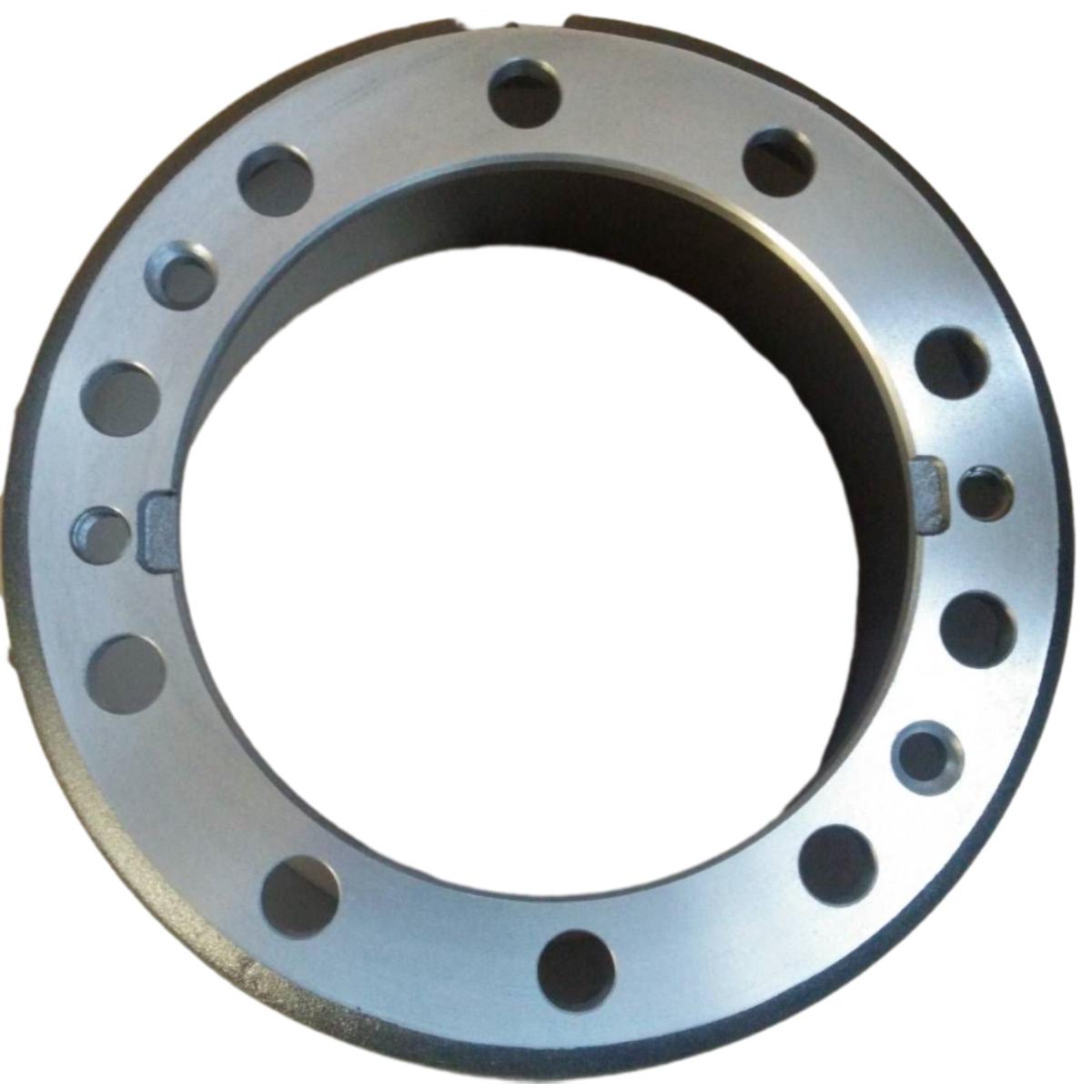
Automann brake drums are critical components in braking systems for heavy-duty vehicles, including trucks, buses, and trailers. Functioning as the friction surface against which brake shoes or pads apply pressure, they convert kinetic energy into thermal energy, facilitating vehicle deceleration and stopping. Their position within the vehicle’s braking system is fundamental to safety and operational efficiency. Modern brake drum designs are evolving beyond simple cast iron constructions to incorporate materials and geometries optimized for heat dissipation, weight reduction, and durability. Core performance characteristics are defined by thermal capacity, wear resistance, and dimensional stability under extreme operating conditions. This guide provides a detailed technical overview of Automann brake drums, covering material science, manufacturing processes, performance engineering, failure modes, and relevant industry standards.
Material Science & Manufacturing
Automann brake drums are traditionally manufactured from gray cast iron due to its favorable thermal properties, wear resistance, and cost-effectiveness. The specific grade of cast iron (typically ASTM A48 Class 30) dictates the material’s composition, influencing properties such as tensile strength, hardness, and thermal conductivity. Key alloying elements include carbon, silicon, manganese, and phosphorus. Higher carbon content generally increases hardness and wear resistance but can reduce ductility. Silicon enhances castability and improves thermal conductivity. Modern advancements are introducing ductile cast iron (ASTM A48 Class 40-50) for increased strength and shock resistance. Manufacturing processes primarily involve sand casting, although centrifugal casting is employed for larger drums. The sand casting process involves creating a mold using a sand mixture, pouring molten iron into the mold cavity, and allowing it to solidify. Critical parameters during casting include melt temperature, pouring rate, and cooling rate, all impacting the microstructure and mechanical properties of the final product. Post-casting processes include machining (turning, milling, and grinding) to achieve precise dimensions and surface finish. Heat treatment, such as annealing, is often applied to relieve internal stresses and improve machinability. Quality control measures encompass radiographic inspection for detecting internal flaws, and hardness testing to verify material properties.
Performance & Engineering
The performance of Automann brake drums is heavily influenced by their ability to dissipate heat generated during braking. This heat dissipation is critical to prevent brake fade, a phenomenon where repeated braking leads to a reduction in braking efficiency due to overheating. Finite Element Analysis (FEA) is widely used in the design phase to model thermal stress distribution and optimize drum geometry for improved heat dissipation. Key design considerations include fin geometry (number, height, and thickness), drum wall thickness, and the presence of internal ribs. Force analysis is conducted to determine stress concentrations under braking loads, ensuring structural integrity. The braking force is transmitted through the brake shoes/pads to the drum’s inner surface, generating frictional heat. The drum must withstand both radial and tangential stresses. Environmental resistance is crucial, particularly in corrosive environments. Protective coatings, such as phosphate coatings or electrodeposition coatings, are applied to enhance corrosion resistance. Compliance requirements vary by region but generally adhere to standards established by organizations like the Society of Automotive Engineers (SAE) and the European Union (EU). These standards specify minimum performance requirements for braking systems, including brake drum specifications for dimensions, material properties, and thermal performance. Material selection for brake linings significantly impacts drum wear; incompatible materials accelerate wear rates and reduce component lifespan.
Technical Specifications
| Parameter | Units | Typical Value (Automann Standard) | Testing Standard |
|---|---|---|---|
| Diameter | mm | 320-410 | ISO 4154 |
| Width | mm | 70-140 | ISO 4154 |
| Material | - | Gray Cast Iron (ASTM A48 Class 30/40) | ASTM A48 |
| Tensile Strength | MPa | 200-300 | ASTM A48 |
| Hardness (Brinell) | HB | 180-250 | ASTM A25 |
| Thermal Conductivity | W/m·K | 45-60 | ASTM E1225 |
Failure Mode & Maintenance
Automann brake drums are susceptible to several failure modes. Fatigue cracking, initiated by repeated thermal cycling and mechanical stress, is a common issue. Cracks typically originate at stress concentration points, such as bolt holes or keyways. Delamination, the separation of layers within the cast iron structure, can occur due to casting defects or excessive thermal stress. Wear, resulting from friction between the drum and brake shoes/pads, leads to a reduction in drum thickness and eventual failure. Oxidation and corrosion, particularly in humid or saline environments, weaken the material and accelerate wear. Maintenance is crucial for extending brake drum lifespan. Regular inspections should be conducted to identify cracks, wear, and corrosion. The drums should be periodically cleaned to remove debris and contaminants. Brake shoe/pad wear should be monitored and replaced as needed to prevent excessive drum wear. Resurfacing (turning) of the drum can restore its original dimensions and surface finish, but must be performed within specified limits to avoid compromising structural integrity. Proper lubrication of brake components is also essential to reduce friction and wear. Preventive maintenance schedules should be implemented based on vehicle operating conditions and usage patterns. Identifying and addressing underlying issues, such as misadjusted brakes or leaking wheel seals, can also prevent premature brake drum failure.
Industry FAQ
Q: What is the primary cause of thermal cracking in Automann brake drums?
A: The primary cause of thermal cracking is repeated thermal cycling combined with high mechanical stress. Rapid heating and cooling during braking create thermal stresses, which, over time, can initiate and propagate cracks, especially in areas with geometric discontinuities or casting imperfections.
Q: How does the material composition of the brake lining affect brake drum wear?
A: The material composition of the brake lining significantly impacts drum wear. Abrasive particles within the lining material can accelerate drum wear. Incompatible materials can also lead to increased friction and wear rates. Matching the lining material to the drum material is crucial for optimizing performance and longevity.
Q: What are the recommended limits for drum resurfacing (turning)?
A: Recommended limits for drum resurfacing vary depending on the drum diameter and manufacturer’s specifications. Generally, the minimum allowable thickness should not be less than the manufacturer’s stated minimum, and the maximum amount of material removed during resurfacing should be limited to prevent weakening the drum. Exceeding these limits can compromise the structural integrity of the drum.
Q: What role does the fin geometry play in brake drum performance?
A: Fin geometry is critical for heat dissipation. Fins increase the surface area exposed to airflow, enhancing convective heat transfer. The number, height, and thickness of the fins all influence the drum’s thermal capacity and cooling efficiency. Optimized fin designs can significantly reduce brake fade.
Q: What are the typical corrosion prevention measures applied to Automann brake drums?
A: Typical corrosion prevention measures include applying protective coatings such as phosphate coatings or electrodeposition coatings. These coatings create a barrier between the cast iron and the corrosive environment. Regular cleaning and inspection for corrosion are also essential preventive measures. Selecting appropriate materials for brake linings that are compatible with the drum material also reduces the risk of galvanic corrosion.
Conclusion
Automann brake drums are sophisticated components that play a vital role in vehicle safety and performance. Their design and manufacture require careful consideration of material science, thermal engineering, and mechanical stress analysis. Understanding the failure modes and implementing proactive maintenance strategies are essential for maximizing drum lifespan and preventing catastrophic failures. The continuous evolution of materials and manufacturing techniques is driving improvements in brake drum performance, focusing on enhanced heat dissipation, reduced weight, and increased durability.
Future developments are likely to involve the increased use of advanced materials, such as composite materials, and more sophisticated cooling technologies. The integration of sensors and monitoring systems could provide real-time data on drum temperature and wear, enabling predictive maintenance and optimizing braking performance. Further research into friction materials and their interaction with drum surfaces will contribute to reducing wear rates and improving overall braking system efficiency.