
Introduction
Disc and drum brakes represent the two primary braking systems employed in scooter applications. While both systems achieve the fundamental goal of decelerating or stopping the vehicle, they utilize distinct mechanical principles, materials, and performance characteristics. The selection between disc and drum brakes hinges upon factors such as cost, weight, thermal management, stopping power requirements, and maintenance considerations. Historically, drum brakes were ubiquitous due to their simpler design and lower manufacturing cost. However, advancements in materials and manufacturing techniques have positioned disc brakes as the preferred option for higher-performance scooters and those prioritizing consistent braking performance under demanding conditions. This guide provides an in-depth technical analysis of disc and drum brake systems in scooters, covering material science, manufacturing processes, performance engineering, failure modes, and relevant industry standards. Understanding these differences is crucial for scooter manufacturers, maintenance technicians, and end-users seeking optimal braking safety and reliability. A key pain point within the scooter industry is balancing cost-effectiveness with rider safety, a trade-off often centered around brake system selection.
Material Science & Manufacturing
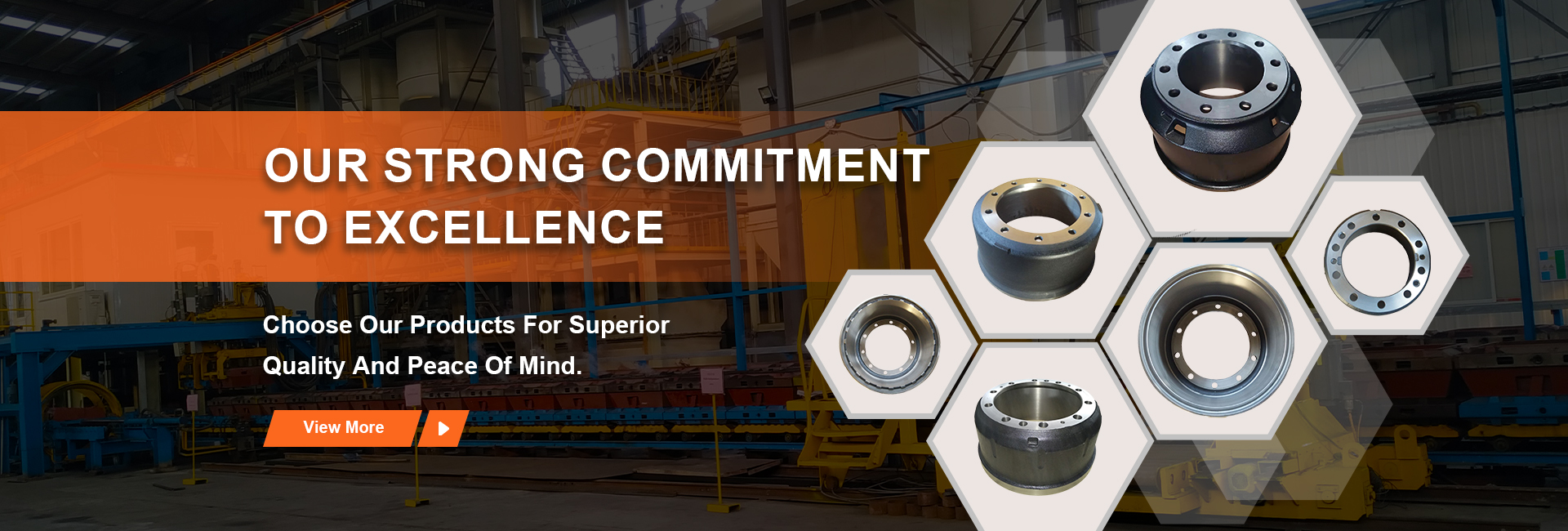
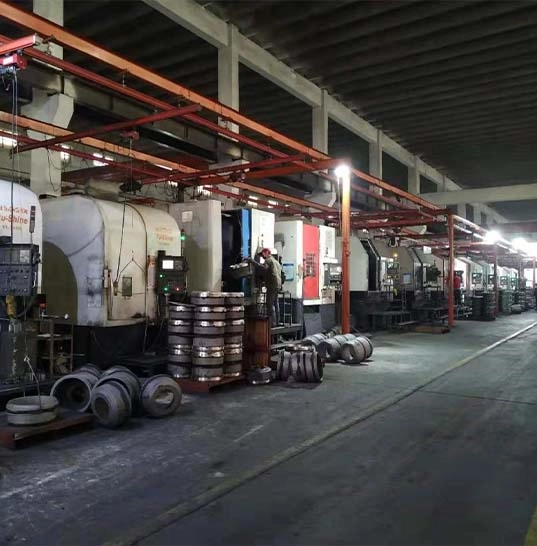
Drum Brake Materials & Manufacturing: Drum brakes primarily utilize cast iron for both the brake drum and the brake shoes. Cast iron offers a suitable balance of cost, wear resistance, and frictional coefficient. Manufacturing involves casting the drum to precise dimensions, followed by machining to ensure accurate internal diameter and surface finish. The brake shoes are formed from cast iron or composite materials bonded to steel backing plates. The manufacturing process includes stamping the steel, bonding the friction material using high-pressure molding, and machining to the required shape. Key parameters controlled during manufacturing include the chemical composition of the cast iron (carbon content, tensile strength), drum thickness variations, and bonding strength of the friction material. Quality control focuses on dimensional accuracy, surface hardness, and material porosity.Disc Brake Materials & Manufacturing: Disc brakes typically employ high-carbon steel or stainless steel for the brake rotor. High-carbon steel offers excellent wear resistance, while stainless steel provides enhanced corrosion resistance, albeit at a higher cost. Rotors are manufactured via casting or, increasingly, by machining from solid steel billets. Calipers are commonly constructed from aluminum alloy to minimize weight, while pistons are typically made from aluminum or phenolic resin. Manufacturing the caliper involves precision casting, machining, and assembly of hydraulic components. The brake pads consist of a friction material (organic, semi-metallic, or ceramic) bonded to a steel backing plate. The manufacturing process involves mixing the friction material components, compressing the mixture onto the backing plate under high pressure and temperature, and machining to the final shape. Critical parameters include rotor thickness variation (RTV), caliper piston sealing integrity, and friction coefficient consistency of the brake pads. Heat treatment processes are crucial for optimizing the mechanical properties of both rotors and calipers.
Performance & Engineering
Thermal Performance: Disc brakes exhibit superior thermal performance compared to drum brakes. The open design of disc brakes allows for greater heat dissipation, reducing the risk of brake fade—a reduction in braking force due to overheating. Drum brakes, being enclosed, trap heat, leading to a more rapid increase in temperature and a higher susceptibility to brake fade. Heat transfer analysis indicates that disc brakes can dissipate approximately three times more heat than drum brakes for a given braking event.Hydraulic System Analysis: Both systems rely on hydraulic actuation, but disc brakes typically utilize more sophisticated hydraulic systems with features such as anti-lock braking systems (ABS). Hydraulic pressure is calculated based on pedal force, master cylinder bore size, and caliper piston area. The hydraulic fluid used must meet specific viscosity and boiling point requirements to ensure consistent performance and prevent vapor lock. Finite element analysis (FEA) is employed to optimize caliper and master cylinder designs for stress distribution and hydraulic efficiency. Friction Coefficient & Stopping Distance: The friction coefficient between the brake pad/shoe and the rotor/drum directly impacts stopping distance. Advanced brake pad materials for disc brakes offer higher and more stable friction coefficients across a wider temperature range. Stopping distance calculations incorporate factors such as vehicle speed, weight, road surface friction, and brake system efficiency. Disc brakes generally provide shorter stopping distances, especially in wet conditions, due to their superior water shedding capabilities. Force Analysis: During braking, significant forces are generated. In drum brakes, radial forces act on the drum, while axial forces act on the brake shoes. In disc brakes, clamping forces from the caliper pistons act on the brake pads. Structural analysis of the brake components is essential to ensure they can withstand these forces without deformation or failure.
Technical Specifications
| Parameter | Drum Brake (Typical Scooter) | Disc Brake (Typical Scooter) | Unit |
|---|---|---|---|
| Braking Torque | 80-120 | 150-250 | Nm |
| Rotor/Drum Diameter | 110 | 190-220 | mm |
| Weight (per brake) | 0.8-1.2 | 1.0-1.8 | kg |
| Coefficient of Friction (μ) | 0.25-0.35 | 0.35-0.50 | - |
| Operating Temperature Range | 0-200 | 0-400 | °C |
| Manufacturing Cost (approx.) | $15-30 | $30-60 | USD |
Failure Mode & Maintenance
Drum Brake Failure Modes: Common failure modes include brake shoe wear, drum warping due to thermal stress, contamination from dirt and moisture, and hydraulic fluid leaks. Brake shoe wear is a gradual process but can lead to reduced braking efficiency and metallic contact between the drum and the backing plate. Drum warping can cause pulsating brakes and reduced stopping power. Regular inspection and adjustment of brake shoe clearance are crucial. Maintenance involves cleaning the drum and shoes, replacing worn components, and bleeding the hydraulic system. Disc Brake Failure Modes: Potential failures include rotor warping, pad wear, caliper piston seizure, and hydraulic fluid contamination. Rotor warping can cause brake pedal pulsation. Pad wear reduces braking efficiency and can damage the rotor. Caliper piston seizure prevents proper brake application. Hydraulic fluid contamination can lead to corrosion and reduced braking performance. Maintenance involves inspecting pad thickness, checking rotor runout, lubricating caliper sliding pins, and flushing the hydraulic system. Fatigue Analysis: Repeated braking cycles induce fatigue stresses in the brake components. Finite element analysis (FEA) is used to predict fatigue life and identify areas prone to cracking. Material selection and manufacturing processes are optimized to enhance fatigue resistance. Corrosion: Exposure to moisture and road salts can cause corrosion, particularly in disc brake rotors. Stainless steel rotors offer improved corrosion resistance, but even they require periodic cleaning and inspection. Protective coatings can also be applied to mitigate corrosion.
Industry FAQ
Q: What is the primary reason for the increased adoption of disc brakes over drum brakes in modern scooters?
A: The superior thermal performance of disc brakes is the primary driver. Their open design allows for more efficient heat dissipation, mitigating brake fade and maintaining consistent stopping power during prolonged or repeated braking events. This is particularly critical for scooters used in demanding conditions, such as hilly terrain or frequent stop-and-go traffic.
Q: How does the material composition of brake pads affect overall braking performance?
A: The friction coefficient, wear rate, and thermal stability of brake pads are directly influenced by their material composition. Organic pads offer quiet operation but have lower heat resistance. Semi-metallic pads provide a good balance of performance and cost. Ceramic pads offer excellent heat resistance and low noise but are typically more expensive.
Q: What are the key indicators of potential hydraulic system failure in either disc or drum brake systems?
A: Indicators include a spongy brake lever feel, reduced braking force, fluid leaks around the master cylinder or calipers/wheel cylinders, and unusual noises during braking. Regular inspection of fluid levels and brake lines is crucial for early detection of potential issues.
Q: How significant is the impact of rotor/drum runout on braking performance and stability?
A: Rotor/drum runout, or the deviation from perfect circularity, can cause brake pedal pulsation and reduced braking efficiency. Excessive runout can also lead to uneven pad/shoe wear. Regular inspection and truing of the rotor/drum are necessary to maintain optimal performance.
Q: What maintenance procedures are recommended to maximize the lifespan of both disc and drum brake systems?
A: Regular cleaning of brake components, inspection of pad/shoe thickness, lubrication of sliding surfaces, bleeding of the hydraulic system to remove air bubbles, and periodic flushing of the brake fluid are all essential maintenance procedures. Adhering to the manufacturer's recommended maintenance schedule is crucial.
Conclusion
In conclusion, the choice between disc and drum brakes for scooters involves a complex interplay of performance, cost, and maintenance considerations. While drum brakes remain a viable option for basic scooter applications due to their lower cost, disc brakes offer superior braking performance, particularly in terms of thermal management and stopping power. The increased adoption of disc brakes reflects a growing emphasis on rider safety and a willingness to invest in higher-quality braking systems.
Looking ahead, advancements in materials science, such as the development of lighter and more durable rotor materials, and the integration of advanced control systems, such as ABS, will further enhance the performance and safety of scooter braking systems. Manufacturers must carefully evaluate the specific requirements of their target market and the intended application of the scooter to determine the optimal braking solution. Ongoing research and development efforts focused on improving brake pad friction characteristics and reducing brake dust emissions are also crucial for addressing evolving industry demands.