
Introduction
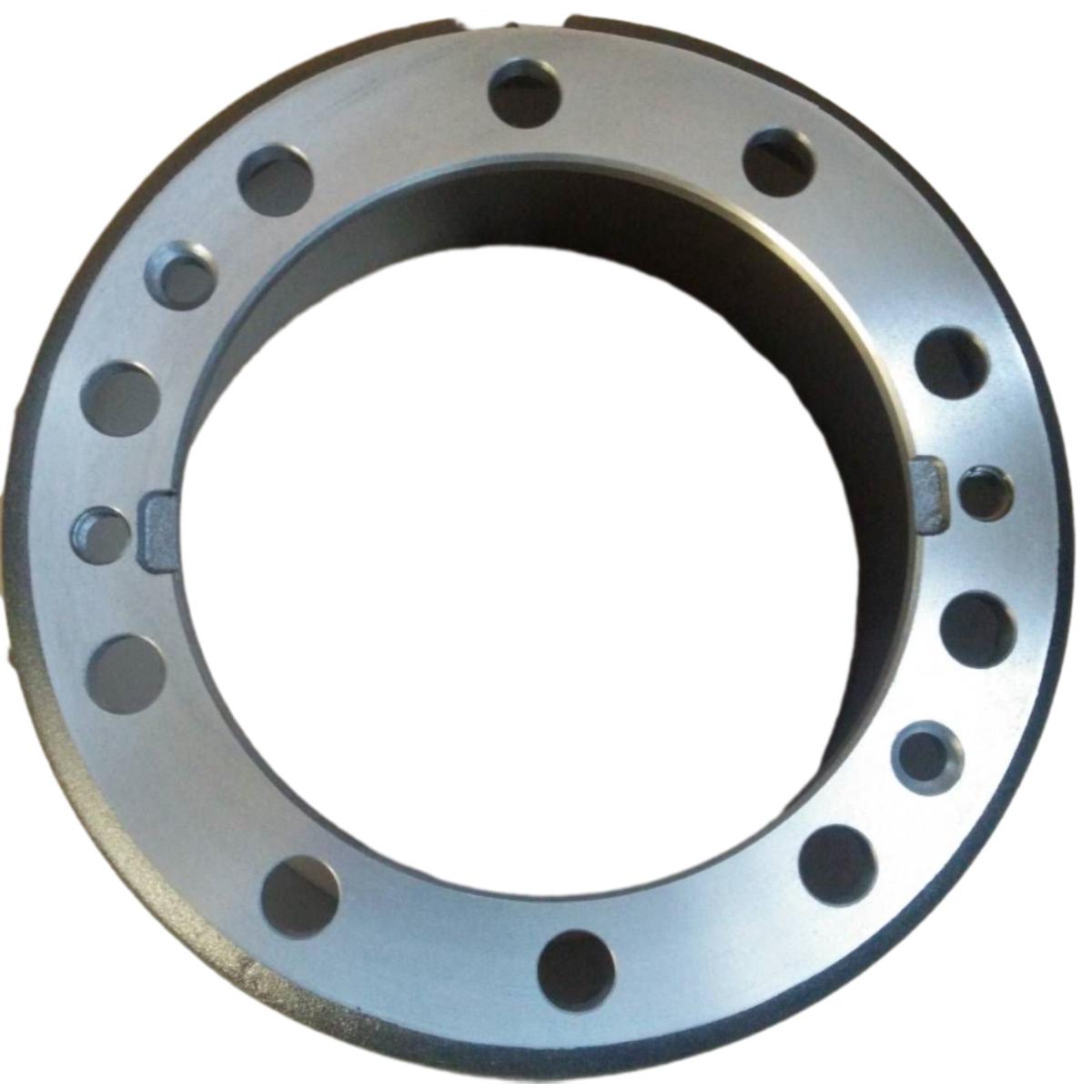
The rear drum brake rebuild kit represents a critical component within automotive braking systems, specifically for vehicles utilizing drum brakes on the rear axle. Positioned as a replacement package for worn components, its function is to restore braking performance to original equipment manufacturer (OEM) specifications, ensuring vehicle safety and operational efficiency. The kit typically comprises brake shoes, hardware kits (springs, pins, clips), wheel cylinders, and sometimes brake drums or adjusters. Core performance characteristics center around frictional coefficient, heat dissipation capacity, and resistance to brake fade. The industry faces ongoing challenges related to material consistency, corrosion resistance in diverse climates, and the increasingly complex demands of modern braking systems, including integration with Anti-lock Braking Systems (ABS). Effective rebuild kits address these challenges, offering reliable stopping power and extended service life.
Material Science & Manufacturing
The primary materials in a rear drum brake rebuild kit necessitate robust physical and chemical properties. Brake shoes are typically constructed from friction materials bonded to steel backing plates. The friction material is a composite, commonly comprising organic compounds, semi-metallic particles (iron, copper, steel wool), or ceramic fibers, held together by a resin matrix. The steel backing plate is often manufactured from carbon steel, requiring surface treatment to enhance corrosion resistance. Wheel cylinders utilize cast iron or aluminum alloy housings with rubber seals (typically nitrile rubber – Buna-N) for fluid containment. Hardware components (springs, pins, clips) are usually made from spring steel, hardened and tempered for durability.
Manufacturing processes vary by component. Brake shoes undergo a molding process where the friction material is compressed onto the backing plate under high heat and pressure. Precise control of temperature and pressure is critical to ensure adequate bonding strength and uniform friction characteristics. Wheel cylinders are typically manufactured through casting, followed by machining to achieve tight tolerances for the piston bores and seal housings. Surface finishing operations, such as honing, are employed to create a smooth surface for optimal seal performance. Hardware components are formed through stamping, bending, and heat treatment processes. Quality control at each stage is paramount, including material composition analysis, dimensional inspection, and performance testing (e.g., friction coefficient measurement, tensile strength analysis).

Performance & Engineering
The performance of a rear drum brake system is fundamentally governed by friction principles and heat management. The braking force is generated by the frictional interaction between the brake shoes and the rotating drum. Force analysis considers the contact area, friction coefficient of the lining material, and the hydraulic pressure applied by the wheel cylinder. Environmental resistance is crucial; exposure to moisture, road salt, and temperature fluctuations can lead to corrosion and degradation of brake components. Brake fade, a reduction in braking performance due to overheating, is a significant concern. The drum brake design must effectively dissipate heat generated during braking.
Engineering considerations include material selection to optimize the friction coefficient while minimizing wear rates. The shape and configuration of the brake shoes influence contact pressure distribution and braking efficiency. Spring rates within the hardware kit are meticulously designed to ensure proper brake shoe return and prevent dragging. Compliance requirements, as dictated by regulatory bodies, mandate specific performance characteristics (e.g., stopping distance, fade resistance) and material compositions (e.g., asbestos-free friction materials). The kits must meet or exceed these standards. Moreover, integration with ABS systems demands precise mechanical tolerances and consistent performance to avoid interference with ABS functionality.
Technical Specifications
| Component | Material | Typical Dimensions (mm) | Operating Temperature (°C) |
|---|---|---|---|
| Brake Shoes | Organic/Semi-Metallic Composite | Length: 200-300; Width: 40-60; Thickness: 8-12 | -30 to 300 |
| Wheel Cylinder | Cast Iron/Aluminum Alloy | Bore Diameter: 17-25; Piston Stroke: 10-15 | -40 to 150 |
| Brake Springs | Spring Steel (SAE 675) | Wire Diameter: 2-4; Free Length: 50-100 | -50 to 200 |
| Adjuster Mechanism | Carbon Steel | Thread Pitch: 1.5-2.0 | -40 to 80 |
| Friction Material (Coefficient of Friction) | Varies (Organic, Semi-Metallic, Ceramic) | Coefficient: 0.25 – 0.45 | -30 to 400 |
| Backing Plate | Carbon Steel (SAE 1010) | Thickness: 1.2 - 2.0 mm | -40 to 250 |
Failure Mode & Maintenance
Rear drum brakes are susceptible to several failure modes. Fatigue cracking of brake shoes can occur due to repeated stress cycles, particularly under heavy braking conditions. Delamination of the friction material from the backing plate is a common failure, often caused by poor bonding during manufacturing or exposure to moisture. Rubber seals in the wheel cylinder can degrade over time, leading to fluid leaks and reduced braking pressure. Corrosion of metal components (drums, cylinders, hardware) is prevalent in environments with high humidity or road salt exposure. Oxidation of the friction material can also reduce its effectiveness.
Preventative maintenance is crucial. Regular inspection of brake shoes for wear and damage is essential. Wheel cylinders should be checked for leaks and piston movement. Hardware components should be inspected for corrosion and proper function. Brake drums should be inspected for scoring, cracks, or excessive wear. Maintenance procedures include cleaning and lubricating moving parts, replacing worn or damaged components, and ensuring proper brake shoe adjustment. Bleeding the brake system to remove air bubbles is critical after replacing wheel cylinders or brake lines. Proper torque specifications must be followed during reassembly to prevent component failure.
Industry FAQ
Q: What is the typical lifespan of a rear drum brake rebuild kit?
A: The lifespan is highly variable, dependent on driving conditions, vehicle load, and maintenance practices. Under normal driving conditions, a well-maintained kit can last between 30,000 to 50,000 miles. However, frequent heavy braking or exposure to harsh environments will significantly reduce this lifespan.
Q: How does the choice of friction material impact braking performance and noise levels?
A: Organic materials generally offer quieter operation but have lower heat resistance and shorter lifespans. Semi-metallic materials provide higher friction coefficients and better heat dissipation but can generate more noise. Ceramic materials offer a balance of performance and noise reduction but tend to be more expensive.
Q: What are the signs that a wheel cylinder needs replacement?
A: Common signs include fluid leaks around the cylinder body, a spongy brake pedal feel, uneven braking, or the wheel cylinder piston being seized or difficult to move. Consistent monitoring of brake fluid levels can also indicate a leak.
Q: What are the critical considerations when selecting a rebuild kit for a vehicle with ABS?
A: Ensure the kit includes components that are compatible with the ABS system, specifically the wheel speed sensor mounting points and any necessary hardware. Maintaining precise tolerances and proper brake shoe adjustment is vital to avoid triggering the ABS system unnecessarily.
Q: How important is proper brake shoe break-in after a rebuild?
A: Proper break-in is crucial for optimal performance. It involves a series of moderate stops from increasing speeds to transfer a layer of friction material onto the brake drum surface. This process maximizes friction and minimizes noise. Avoid hard braking during the initial break-in period.
Conclusion
The rear drum brake rebuild kit remains a vital element in maintaining the safety and functionality of vehicles equipped with drum braking systems. Successful implementation hinges on a comprehensive understanding of material science, manufacturing processes, and performance engineering principles. Careful consideration of factors such as friction material selection, component tolerances, and environmental resistance is critical for achieving optimal braking performance and extending service life.
Future trends will likely focus on advancements in friction material technology – moving towards more durable and environmentally friendly compositions. Furthermore, integration with advanced driver-assistance systems (ADAS) will necessitate even tighter control over braking performance and reliability. Proactive maintenance, coupled with the use of high-quality rebuild kits, will continue to be essential for ensuring safe and efficient vehicle operation.