
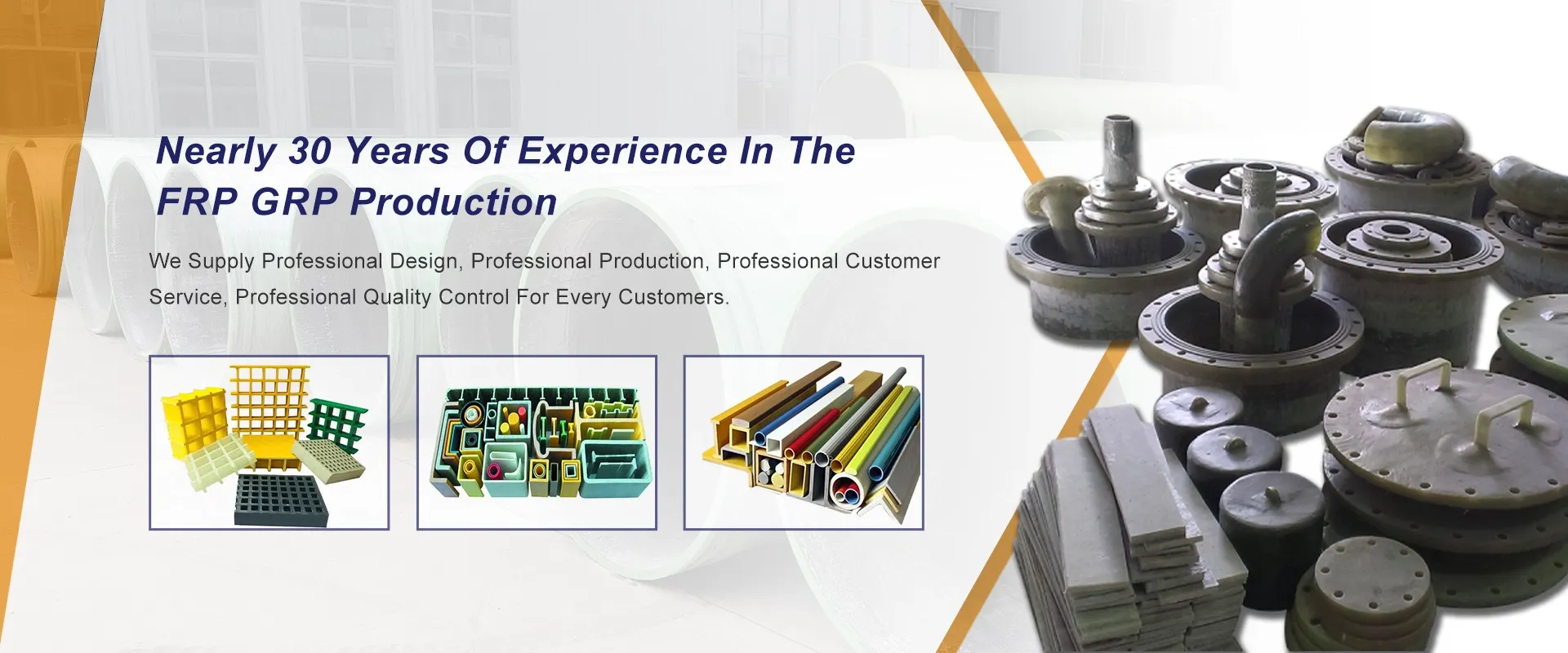
A FRP rain grate sewer drainage cover left out of its seat after a washdown can turn a routine route beside a machining cell into a fall hazard. For production supervisors, the risk is not limited to the open drain: coolant on the floor, a machine restarting during cleanup, or an operator stepping around an unmarked obstruction can compound one preventable lapse into a serious incident.
These events often happen during transitions—between shifts, jobs, maintenance tasks, or cleanup—not while a process is running exactly as planned. A useful safety check therefore tests whether people, equipment, materials, and work areas are ready for the next operation, rather than relying on a general reminder to “be careful.”
The hazard develops between the steps
Consider a common sequence: a machine operator finishes a short run, clears visible chips, and leaves to prepare the next job. A coworker begins washing the nearby floor. During cleanup, a drain cover is moved, a hose crosses the aisle, and the machine’s status is unclear to someone returning to the cell. Each action may appear minor on its own, but together they create exposure to slips, trips, contact with moving parts, or an unexpected restart.
The same pattern can occur during tool changes, material handling, inspection, or fault recovery. The key warning sign is an operation that has changed state without a clear handoff: guards are open, energy controls are incomplete, the floor is wet, or the work zone is being used by people who have not been told what is happening.
Conditions that let a small lapse spread
- Unclear ownership: Operators, cleaners, and maintenance staff may each assume another person has secured the area or restored a cover.
- Workarounds becoming routine: A guard left open “for one quick adjustment” or a hose laid across a walkway can become accepted when production pressure is high.
- Poor separation of tasks: Cleaning, setup, and production happening in the same zone make it harder to identify who may enter and whether equipment is safe to approach.
- Inconsistent shift handoffs: Verbal updates that omit machine condition, stored energy, spills, or unfinished maintenance leave the incoming crew to make assumptions.
- Weak change control: A new fixture, material, machine setting, or temporary layout can introduce hazards that were not covered by the existing routine.
Supervisors should look for combinations of these conditions, not just isolated rule violations. A clear aisle does not compensate for an unguarded machine, and a signed checklist does not make an unsafe handoff safe.
Controls that make the safe sequence repeatable
Set a defined sequence for stopping, isolating, cleaning, inspecting, and restarting equipment. When maintenance or clearing a jam requires access to a danger zone, follow the site’s energy-control procedure, verify isolation, and confirm that stored energy has been addressed. A stop button is not a substitute for lockout when the task requires it.
Keep floor openings, drains, and walkways in the work-area check. Covers should be returned to their intended position and secured as designed; any damaged or unstable cover should trigger isolation of the affected route and prompt repair. Clean spills using an approved method, remove hoses and tools from pedestrian paths, and do not leave wet floors without effective warnings and access control.
For machine work, verify that guards and interlocks are in place before production resumes. Use tools or approved methods to remove chips rather than hands, and follow site rules for compressed air, sharp scrap, and coolant handling. Select task-appropriate eye, hand, hearing, and foot protection, while remembering that PPE does not replace guarding or energy isolation.
Apply the same discipline when unfamiliar equipment enters a work area. For example, a GRP tank filament winding machine has rotating components that require clear exclusion zones, controlled access, and task-specific operating instructions. Before work begins, supervisors should confirm that personnel understand the equipment’s hazards and that the site’s safeguards match the actual task.
A practical inspection checklist for supervisors
Use these prompts before a shift, after a changeover, and whenever maintenance or cleanup alters the work area. Record deficiencies, assign an owner, and confirm closure rather than treating a ticked box as proof of correction.
- Are machine guards, interlocks, emergency stops, and access barriers present and functioning?
- Has the correct isolation procedure been applied for any task that enters a danger zone or exposes stored energy?
- Are floors dry and free of chips, scrap, oil, coolant, loose tools, and trailing hoses?
- Are drains and floor openings covered and secure, with damaged covers reported and the area controlled?
- Can pedestrians and material-handling equipment move through designated routes without crossing an active work zone?
- Do operators know the task-specific hazards, required PPE, and stop-work conditions for the current job?
- Have changes to tooling, materials, settings, staffing, or layout been reviewed before the process resumes?
- Does the handoff identify equipment status, incomplete work, temporary controls, and the person responsible for follow-up?
Close the loop before restarting
If an inspection finds a missing safeguard, an uncontrolled spill, or uncertainty about equipment status, pause the affected work and make the condition safe before production continues. A brief, documented handoff and a verified correction are more reliable than asking the next shift to infer what happened. Process discipline is effective when the safe sequence remains clear even under time pressure.