
Introduction
The wheel cylinder is a critical component of drum brake systems, responsible for converting hydraulic pressure into mechanical force to actuate the brake shoes against the drum, creating friction and stopping the vehicle. This guide provides a comprehensive technical overview of wheel cylinder replacement for drum brakes, covering material science, manufacturing processes, performance considerations, failure modes, maintenance procedures, and relevant industry standards. Proper wheel cylinder function is paramount to braking performance and vehicle safety. Degradation or failure of this component directly impacts stopping distance and overall brake system effectiveness, necessitating meticulous attention during inspection and replacement. This document is intended for qualified automotive technicians and professionals familiar with brake system mechanics and hydraulic principles.
Material Science & Manufacturing
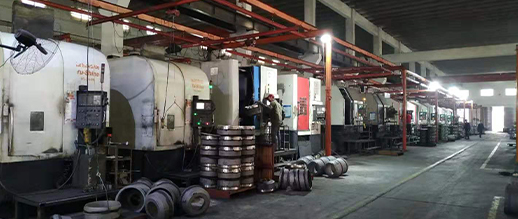
Wheel cylinders are typically manufactured from cast iron, though aluminum alloy cylinders are becoming increasingly common in modern vehicles due to weight reduction objectives. Cast iron offers excellent wear resistance, compressive strength, and thermal conductivity – crucial for dissipating heat generated during braking. Manufacturing begins with creating a core sand mold representing the cylinder's internal geometry. Molten iron (typically gray cast iron due to its damping characteristics) is poured into the mold and allowed to cool and solidify. Aluminum alloy cylinders utilize a similar casting process, often employing die-casting techniques for tighter tolerances and smoother surface finishes. Following casting, cylinders undergo machining operations to achieve precise bore diameters and surface finishes. The internal cylinder bore is honed to create a smooth, consistent surface for the piston seals. Piston materials are generally composed of nitrile rubber or HNBR (Hydrogenated Nitrile Butadiene Rubber) for compatibility with brake fluid and resistance to swelling and degradation. The manufacturing process of the seals requires precision molding under controlled temperature and pressure, ensuring dimensional accuracy and material integrity. Surface treatments, such as phosphate coating, are often applied to cast iron cylinders to enhance corrosion resistance and provide a suitable base for paint or other protective coatings. Quality control throughout the process includes dimensional checks, pressure testing, and material analysis to ensure compliance with industry specifications.
Performance & Engineering
Wheel cylinder performance is directly related to its ability to efficiently convert hydraulic pressure into linear force. The bore diameter of the cylinder, combined with the hydraulic pressure supplied by the master cylinder, dictates the force applied to the brake shoes. Force analysis requires consideration of the lever ratio of the brake shoe pivot point, influencing the overall braking torque. Environmental resistance is a significant engineering concern. Exposure to road salt, moisture, and temperature fluctuations can lead to corrosion and material degradation. Proper sealing and protective coatings are critical for preventing ingress of corrosive elements. Compliance requirements, such as FMVSS 105 (Federal Motor Vehicle Safety Standards), mandate minimum braking performance criteria and require that all brake components meet specific durability and safety standards. Functional implementation requires precise alignment of the wheel cylinder with the brake shoes and the backing plate. Misalignment can lead to uneven brake shoe wear and reduced braking efficiency. Internal components, including pistons and return springs, must operate smoothly and without binding. The design must also account for thermal expansion and contraction of the cylinder and surrounding components during braking cycles.
Technical Specifications
| Bore Diameter (mm) | Piston Material | Cylinder Body Material | Operating Pressure (MPa) |
|---|---|---|---|
| 19.05 | Nitrile Rubber | Cast Iron | 8-12 |
| 22.22 | HNBR | Cast Iron | 10-15 |
| 25.40 | Nitrile Rubber | Aluminum Alloy | 8-12 |
| 28.58 | HNBR | Aluminum Alloy | 10-15 |
| 32.00 | Nitrile Rubber | Cast Iron | 12-18 |
| 35.00 | HNBR | Aluminum Alloy | 14-20 |
Failure Mode & Maintenance
Wheel cylinder failure manifests in several common modes. Internal corrosion, caused by moisture ingress and incompatible brake fluid, is a primary culprit, leading to pitting and scoring of the cylinder bore, resulting in seal failure and fluid leakage. Fatigue cracking can occur in the cylinder body due to repeated stress cycles, particularly in cast iron components. Rubber piston seals degrade over time, losing their elasticity and creating gaps that allow brake fluid to bypass the piston, reducing braking force. Delamination of the piston seal can also occur, especially with improper brake fluid maintenance. Oxidation of the brake fluid itself can contribute to internal corrosion and seal deterioration. Maintenance includes regular brake fluid flushes (every 2-3 years) to remove contaminants and maintain proper fluid properties. Visual inspection for fluid leaks around the wheel cylinder is essential during routine brake inspections. When replacing a wheel cylinder, ensure the brake shoes are in good condition and properly adjusted. Bleeding the brake lines after replacement is crucial to remove air and restore proper braking function. Apply a thin coat of compatible brake fluid-resistant lubricant to the piston during reassembly. Avoid mixing different types of brake fluid (e.g., DOT 3 and DOT 5).
Industry FAQ
Q: What is the primary cause of internal corrosion within a wheel cylinder?
A: The primary cause of internal corrosion is moisture contamination within the brake fluid. Even seemingly sealed systems can experience moisture ingress over time, particularly through the master cylinder reservoir. This moisture reacts with the metal components, initiating corrosion. Using old or contaminated brake fluid exacerbates this issue.
Q: How does the material composition of the cylinder body affect its lifespan?
A: Cast iron wheel cylinders, while robust in terms of wear resistance, are susceptible to corrosion. Aluminum alloy cylinders offer better corrosion resistance but may be less durable in high-stress applications. The specific alloy composition and any surface treatments significantly influence the lifespan and performance of both types.
Q: What are the signs of a failing wheel cylinder piston seal?
A: Common signs include brake fluid leakage around the wheel cylinder, a spongy brake pedal feel, reduced braking power, and uneven brake shoe wear. In severe cases, the brake pedal may sink to the floor under pressure.
Q: What type of brake fluid is compatible with most wheel cylinder seals?
A: DOT 3 and DOT 4 brake fluids are the most commonly used and are generally compatible with nitrile rubber and HNBR seals. DOT 5 (silicone-based) fluid is not compatible with conventional seals and requires a dedicated DOT 5 system.
Q: Is it necessary to replace the brake shoes when replacing a wheel cylinder?
A: While not always mandatory, it's highly recommended to inspect the brake shoes for wear and damage. If the shoes are significantly worn or contaminated with brake fluid, they should be replaced to ensure optimal braking performance and prevent premature wear of the new wheel cylinder.
Conclusion
The wheel cylinder is a foundational element in drum braking systems, and its proper functioning is intrinsically linked to vehicle safety. Understanding the material science behind its construction, the intricacies of its manufacturing, and the potential failure modes is essential for effective maintenance and repair. Prioritizing regular brake fluid maintenance and diligent inspection protocols will significantly extend the service life of wheel cylinders and ensure consistent braking performance.
Future advancements in wheel cylinder technology may focus on enhanced corrosion resistance through novel alloy compositions and protective coatings, along with the integration of sensors for real-time performance monitoring. Continued refinement of seal materials will also be crucial in mitigating fluid leakage and extending component lifespan. Implementing these improvements will enhance the reliability and safety of drum brake systems for years to come.