
Introduction
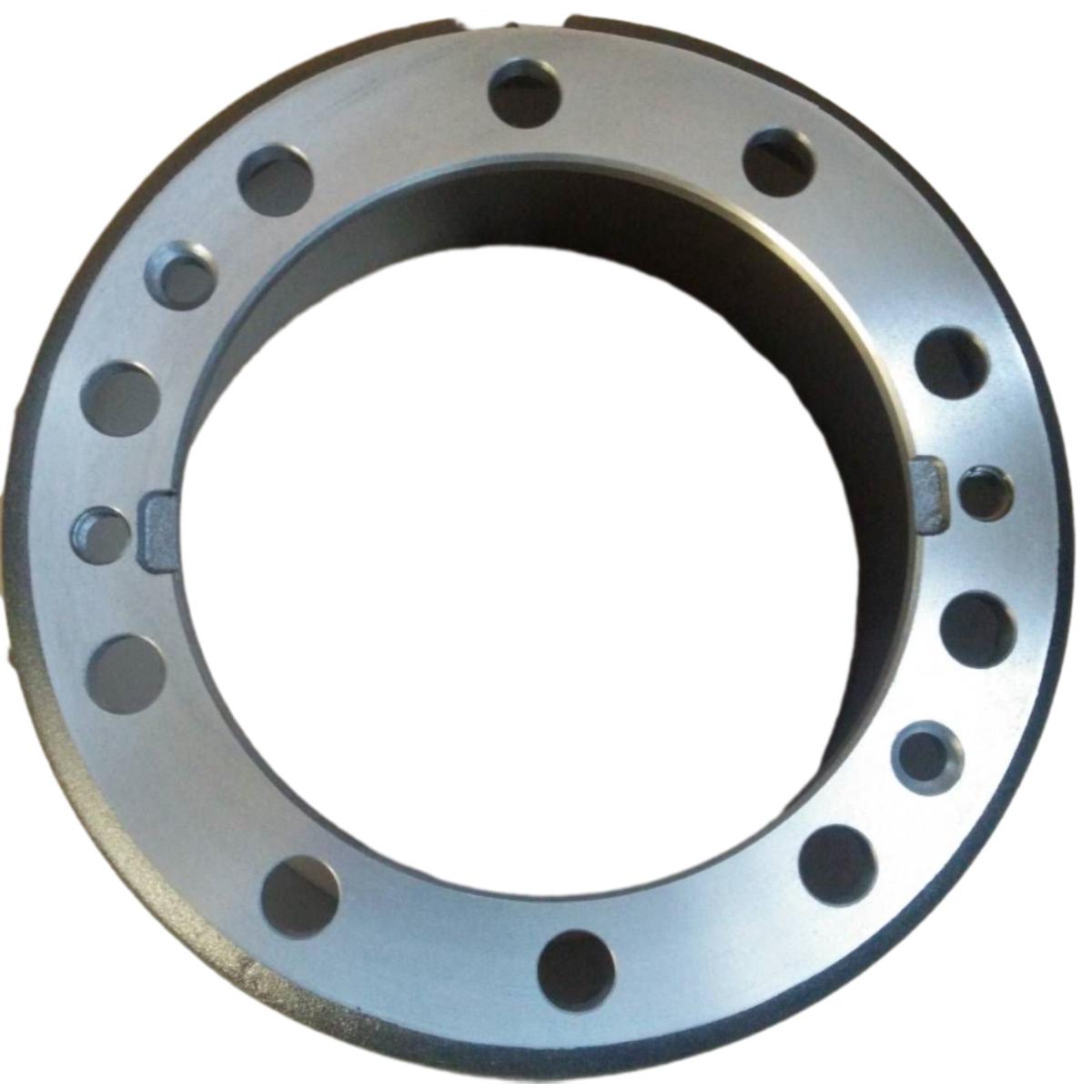
Rear brake shoes and drums constitute a fundamental component of the braking system in many vehicles, particularly in older designs and some current heavier-duty applications. They operate on the principle of friction, converting kinetic energy into thermal energy to decelerate or stop the vehicle. The drum brake system utilizes brake shoes pressed outwards against the inner surface of a rotating drum. Within the automotive industry supply chain, these components are typically sourced from specialized manufacturers supplying OEMs (Original Equipment Manufacturers) and the aftermarket for replacement parts. Core performance characteristics include braking torque, fade resistance (ability to maintain braking performance under repeated use and high temperatures), and service life. A critical pain point within the industry is the balancing of cost with performance and the increasing demand for lighter-weight components without compromising safety or durability. Another key challenge is addressing corrosion and wear, particularly in harsh environmental conditions.
Material Science & Manufacturing
Rear brake drums are conventionally manufactured from gray cast iron due to its excellent wear resistance, thermal conductivity, and damping characteristics. The chemical composition typically includes high carbon content (3.0-4.0%), silicon (1.8-3.0%), manganese (0.6-1.2%), and sulfur (0.08-0.20%). Microstructural control is paramount; a fine, dispersed graphite structure within a pearlitic or ferrite-pearlite matrix is ideal for minimizing wear and thermal cracking. Manufacturing processes involve sand casting, centrifugal casting, and, increasingly, near-net-shape casting to reduce machining requirements. Critical parameters during casting include pouring temperature, cooling rate, and mold material. Brake shoes are commonly constructed from a composite material, traditionally a woven organic material bonded to a steel backing plate. More modern formulations utilize semi-metallic or ceramic friction materials to enhance friction coefficient and heat dissipation. The steel backing plate is typically made of low-carbon steel, requiring robust corrosion protection. The bonding process between the friction material and the steel plate is crucial, often employing high-temperature adhesives and curing cycles. Fiber weaving techniques for organic shoes and sintering processes for ceramic shoes directly influence friction characteristics and wear rates. Quality control focuses on material density, porosity, bond strength, and dimensional accuracy.
Performance & Engineering
The performance of rear brake shoes and drums is fundamentally governed by tribological principles – the study of friction, wear, and lubrication. Braking torque is directly proportional to the coefficient of friction between the shoe material and the drum surface, as well as the normal force applied. Force analysis considers the radial pressure exerted by the shoes against the drum, influenced by hydraulic pressure from the master cylinder and mechanical leverage from the brake actuator. Environmental resistance is critical; exposure to moisture, salt, and extreme temperatures can lead to corrosion of the drum and degradation of the shoe material. Corrosion can create surface irregularities that increase wear and reduce friction efficiency. Fade resistance is a significant engineering concern. Repeated braking generates substantial heat, which can reduce the friction coefficient and lead to a loss of braking power. Drum design incorporates features such as fins and vent holes to enhance heat dissipation. Compliance requirements, such as those outlined by FMVSS (Federal Motor Vehicle Safety Standards) in the US and ECE regulations in Europe, mandate minimum braking performance levels and durability standards. Functional implementation necessitates precise tolerances and clearances to ensure proper actuation and prevent dragging brakes. The dynamic interaction between the shoes, drum, and brake hardware demands a sophisticated understanding of system dynamics.
Technical Specifications
| Parameter | Typical Value (Drum) | Typical Value (Shoe - Organic) | Typical Value (Shoe - Semi-Metallic) |
|---|---|---|---|
| Diameter (mm) | 203.2 | N/A | N/A |
| Width (mm) | 50.8 | N/A | N/A |
| Material | Gray Cast Iron (GGG30) | Organic Composite | Semi-Metallic Composite |
| Friction Coefficient (μ) | 0.25 - 0.40 | 0.30 - 0.45 | 0.40 - 0.55 |
| Density (g/cm³) | 7.2 | 1.5 - 2.0 | 2.0 - 2.5 |
| Operating Temperature (°C) | Up to 300 | Up to 250 | Up to 400 |
Failure Mode & Maintenance
Common failure modes for rear brake drums include thermal cracking due to repeated heating and cooling cycles, wear leading to reduced drum thickness, and corrosion causing surface irregularities. Fatigue cracking can occur around mounting bolt holes or near the braking surface. Brake shoe failures typically involve delamination of the friction material from the steel backing plate, cracking or crumbling of the friction material due to wear and thermal stress, and rivet failure. Oxidation of the steel backing plate can also contribute to premature failure. Maintenance involves regular inspection for drum thickness (minimum allowable thickness is specified by the manufacturer), visual inspection for cracks and corrosion, and replacement of worn or damaged components. Brake shoe replacement should always be performed in pairs to maintain balanced braking performance. Periodic cleaning of the brake assembly to remove dust and debris is also essential. Resurfacing of drums is possible, but must be performed within specified limits to avoid weakening the drum structure. Ignoring early signs of wear or damage can lead to catastrophic brake failure.
Industry FAQ
Q: What is the primary cause of brake fade in drum brake systems?
A: The primary cause of brake fade is the overheating of the drum and shoes during prolonged or heavy braking. This elevated temperature reduces the coefficient of friction between the shoe material and the drum surface, resulting in a loss of braking power. Insufficient heat dissipation capacity in the drum design contributes significantly to this issue.
Q: How does the material composition of the brake drum influence its performance and longevity?
A: The composition, specifically the graphite structure within gray cast iron, dictates wear resistance, thermal conductivity, and damping characteristics. A finer, more dispersed graphite structure improves wear resistance and reduces the risk of thermal cracking. Higher carbon content generally enhances wear resistance, but can also increase brittleness.
Q: What are the key considerations when selecting between organic, semi-metallic, and ceramic brake shoe materials?
A: Organic shoes offer quiet operation and are generally less abrasive to the drum, but have lower heat resistance and a shorter lifespan. Semi-metallic shoes provide a good balance of friction, heat dissipation, and wear resistance, making them suitable for a wide range of applications. Ceramic shoes offer the highest heat resistance and a long lifespan, but can be more expensive and may generate more noise.
Q: What role does corrosion play in the failure of drum brake components?
A: Corrosion degrades the surface integrity of both the drum and the shoes. On the drum, it creates irregularities that increase wear and reduce friction efficiency. On the shoes, it can weaken the steel backing plate and accelerate the deterioration of the friction material. Salt and moisture are primary contributors to corrosion.
Q: What are the critical inspection points during routine maintenance of a drum brake system?
A: Critical inspection points include drum thickness measurement, visual inspection for cracks, corrosion, and excessive wear on both the drum and shoes, checking for proper operation of the self-adjuster mechanism, and verifying the integrity of the wheel cylinder and brake lines.
Conclusion
Rear brake shoes and drums represent a mature, yet continually refined braking technology. Effective performance relies heavily on meticulous material selection, precise manufacturing processes, and diligent maintenance. The balance between cost, durability, and braking performance remains a key engineering challenge. The industry trend is towards optimizing existing designs to reduce weight and improve heat dissipation, with increasing focus on minimizing corrosion susceptibility and extending component service life.
Future developments may involve the application of advanced materials and coatings to enhance friction characteristics and wear resistance. Further research into dynamic modeling and simulation will allow for more optimized drum and shoe designs, improving braking performance and safety. Adherence to stringent international standards, such as those related to material composition and braking performance, is paramount for ensuring the reliability and safety of these critical components.