

Introduction
Front drum brake adjustment is a critical maintenance procedure for vehicles equipped with drum brake systems on the front axle. This process ensures optimal braking performance, prevents premature wear of brake components, and maintains vehicle safety. Unlike disc brake systems, drum brakes require periodic adjustment to compensate for the wear of brake shoes and the expansion of internal components due to heat. Improper adjustment can lead to reduced braking efficiency, increased stopping distances, uneven brake wear, and potentially, brake failure. Within the automotive industry chain, brake adjustment represents a fundamental tier-three maintenance activity, influencing the longevity and reliability of tier-one brake system components (drums, shoes, wheel cylinders) and ultimately, vehicle operational safety. Core performance indicators include stopping distance, pedal feel, and brake shoe life, all directly impacted by precise adjustment.
Material Science & Manufacturing
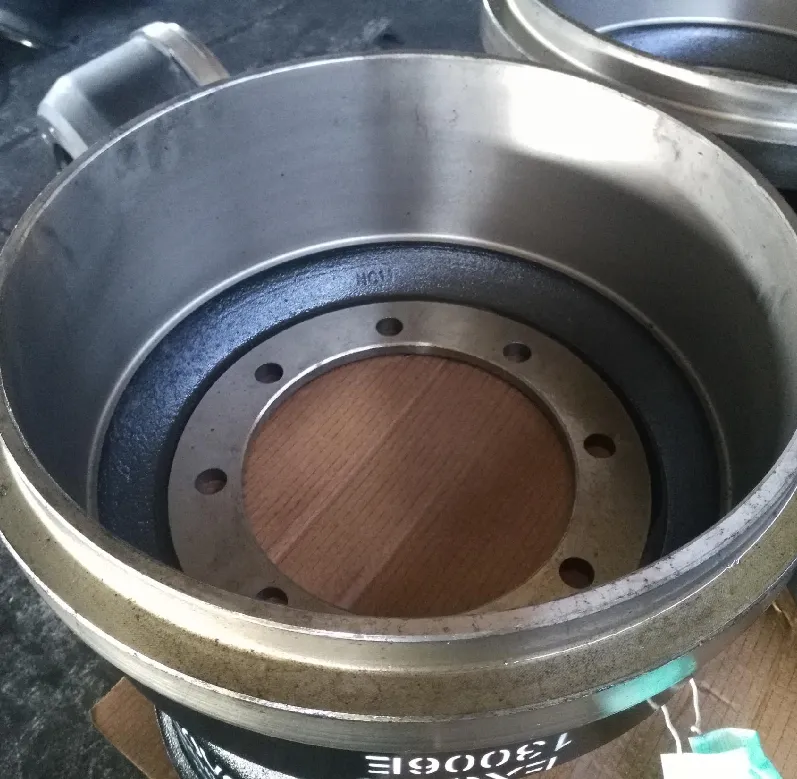
The core materials involved in front drum brake systems impacting adjustment are cast iron (brake drum), steel (brake shoes, backing plates), and friction materials (brake lining). Cast iron drums, typically gray cast iron (ASTM A48 Class 30), possess high thermal conductivity to dissipate heat generated during braking. However, they are susceptible to corrosion and wear. Brake shoes are constructed from carbon steel, often SAE 1010 or 1018, selected for their ductility and weldability. The brake lining, bonded to the shoes, is a composite material composed of organic or semi-metallic friction modifiers, binders (phenolic resins), and reinforcing fibers. Manufacturing processes critical to adjustment include drum casting (sand casting is common), shoe stamping and forming, and the bonding of brake linings. Precise drum machining is vital for a consistently circular braking surface, minimizing the need for excessive adjustment. Lining bonding requires controlled temperature and pressure to ensure a durable adhesion. Key parameter control during manufacturing involves dimensional tolerances for the drum diameter and shoe width, and consistency in lining thickness. Material compatibility between the brake shoes and drum is also crucial; galvanic corrosion between dissimilar metals can impede smooth operation and necessitate frequent adjustment.
Performance & Engineering
Effective front drum brake adjustment relies on understanding force analysis and mechanical leverage. The braking force is generated by the friction between the brake shoes and the drum's inner surface. The wheel cylinder applies a force to the brake shoes, causing them to press against the drum. The self-energizing effect, inherent in drum brake designs, amplifies this force, but requires proper adjustment to prevent over-expansion and dragging. Environmental resistance, particularly corrosion from road salt and moisture, significantly impacts brake performance and necessitates regular inspection and maintenance. Compliance requirements vary by region, but generally adhere to FMVSS 105 (Federal Motor Vehicle Safety Standards) in the US, and ECE R13 (Economic Commission for Europe) regulations in Europe. These standards define minimum braking performance criteria and durability requirements. Functional implementation of adjustment typically involves a manual or automatic adjuster mechanism. Manual adjusters require periodic access and manipulation by a technician. Automatic adjusters, while convenient, can sometimes malfunction, leading to improper adjustment and requiring manual intervention. Understanding the coefficient of friction between the lining and drum, which varies with temperature and speed, is crucial for predicting braking performance and optimizing adjustment settings.
Technical Specifications
| Parameter | Typical Value (Standard Drum Brake) | Unit | Tolerance |
|---|---|---|---|
| Drum Inner Diameter | 203 | mm | ±0.25 |
| Brake Shoe Width | 30 | mm | ±0.5 |
| Brake Shoe Thickness | 4 | mm | ±0.2 |
| Wheel Cylinder Bore Diameter | 19.05 | mm | ±0.05 |
| Adjuster Travel (Max) | 6 | mm | - |
| Friction Lining Coefficient of Friction (μ) | 0.35 | - | ±0.05 |
Failure Mode & Maintenance
Common failure modes in front drum brake systems requiring adjustment include brake shoe wear, drum warping, wheel cylinder leaks, and adjuster mechanism failure. Brake shoe wear occurs due to the abrasive action of the lining against the drum and is accelerated by aggressive driving and contaminated environments. Drum warping, often caused by uneven heating and cooling, results in pulsating brake feel and requires drum resurfacing or replacement. Wheel cylinder leaks lead to a loss of braking force and require cylinder replacement. Adjuster mechanism failure, particularly in automatic adjusters, results in improper brake shoe clearance. Fatigue cracking in the brake shoes, often originating at stress concentration points, is also a potential failure mode. Maintenance procedures include regular inspection of brake shoe thickness, drum runout, and wheel cylinder condition. Adjustment should be performed when shoe thickness reaches the minimum specified limit, or when symptoms of improper adjustment (e.g., spongy pedal feel, pulling to one side) are observed. Proper lubrication of the adjuster mechanism is essential for smooth operation. Following adjustment, a burnishing procedure (several moderate stops) is recommended to establish uniform contact between the shoes and drum.
Industry FAQ
Q: What is the primary indicator that front drum brakes require adjustment?
A: A spongy or low brake pedal, increased stopping distance, or a noticeable pulling sensation to one side during braking are primary indicators. Visually, excessive pedal travel is a key symptom. Also, a clicking or grinding noise from the brakes can suggest shoes are making contact with the drum when they shouldn't.
Q: How does environmental contamination impact drum brake adjustment frequency?
A: Road salt, moisture, and abrasive particles accelerate brake shoe wear and can cause corrosion of drum surfaces and adjuster mechanisms. Vehicles operated in regions with harsh winter conditions or dusty environments will require more frequent inspections and adjustments.
Q: What is the difference between manual and automatic brake adjusters, and what are the failure implications?
A: Manual adjusters require a technician to physically adjust the brake shoes using a star wheel. Automatic adjusters self-adjust based on brake usage. Automatic adjusters can fail due to corrosion, debris accumulation, or mechanical linkage breakage, leading to improper adjustment and potentially, brake drag or reduced braking force.
Q: What are the risks of over-adjusting front drum brakes?
A: Over-adjustment causes the brake shoes to constantly drag against the drum, leading to overheating, premature wear of both shoes and drum, reduced fuel efficiency, and potentially, brake failure due to excessive heat buildup. It also places undue stress on the wheel bearings.
Q: How does drum runout affect brake adjustment and performance?
A: Excessive drum runout (lateral or radial variation) creates an uneven braking surface, leading to pulsating brake feel, reduced braking efficiency, and accelerated brake shoe wear. Drum runout must be within specified tolerances; otherwise, drum resurfacing or replacement is required prior to adjustment.
Conclusion
Front drum brake adjustment is a fundamental aspect of vehicle maintenance, directly influencing safety and operational efficiency. A thorough understanding of the material science, manufacturing processes, and engineering principles involved is critical for performing accurate and effective adjustments. Regular inspection, coupled with adherence to established procedures and specifications, is essential for maximizing brake system longevity and maintaining optimal braking performance.
Looking forward, advancements in brake technology, such as improved friction materials and more reliable automatic adjustment mechanisms, will continue to refine drum brake systems. However, the core principles of proper adjustment will remain paramount. Proactive maintenance and adherence to industry standards (FMVSS, ECE R13) are vital for ensuring continued safe operation and minimizing the risk of brake-related incidents.