
Introduction
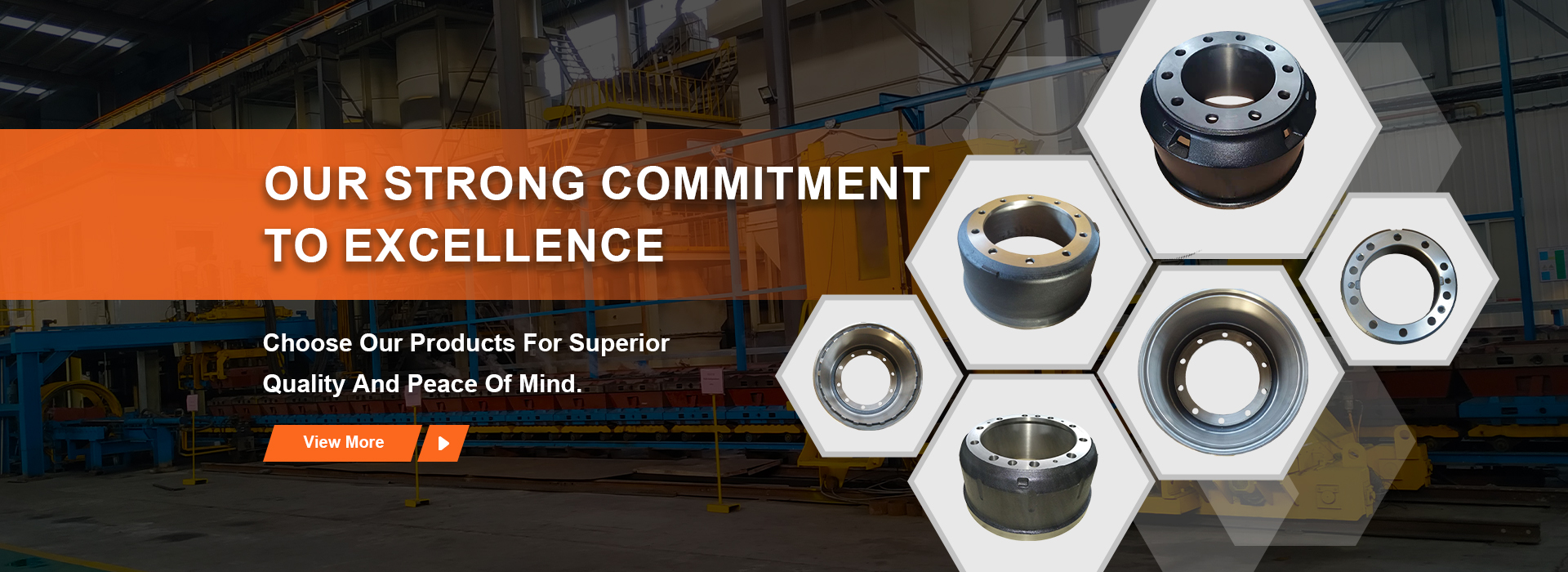
The conversion from drum brakes to disc brakes represents a significant upgrade in vehicle braking performance and safety. Drum brakes, historically prevalent due to their lower manufacturing cost, utilize internal shoes expanding against a rotating drum. Disc brakes, conversely, employ calipers squeezing pads against a rotating rotor. This technical guide details the material science, manufacturing considerations, performance characteristics, potential failure modes, and maintenance protocols associated with a drum-to-disc brake conversion. The industry trend towards disc brakes is driven by superior heat dissipation, reduced fade, and more consistent stopping power, particularly under demanding conditions. This transition addresses core pain points in braking systems: inconsistent performance under heavy use, susceptibility to water fade, and higher maintenance frequency associated with drum brake components. The scope of this document will cover passenger vehicles and light-duty trucks, focusing on the common design architectures used in these applications.
Material Science & Manufacturing
The core materials differentiating drum and disc brake systems dictate their performance. Drum brake drums are traditionally manufactured from gray cast iron, chosen for its thermal stability and wear resistance. The friction material on the shoes is typically a semi-metallic composite containing iron powder, friction modifiers, and binders. Disc brake rotors are commonly produced from gray cast iron, but increasingly utilize higher-performance materials like carbon steel or, in high-performance applications, carbon ceramic composites. Calipers are typically aluminum alloy (for weight reduction) or cast iron. Brake pads are composite materials incorporating a matrix of organic resins, semi-metallic particles, or ceramic fibers, formulated to provide a balance of friction coefficient, wear rate, and noise reduction.
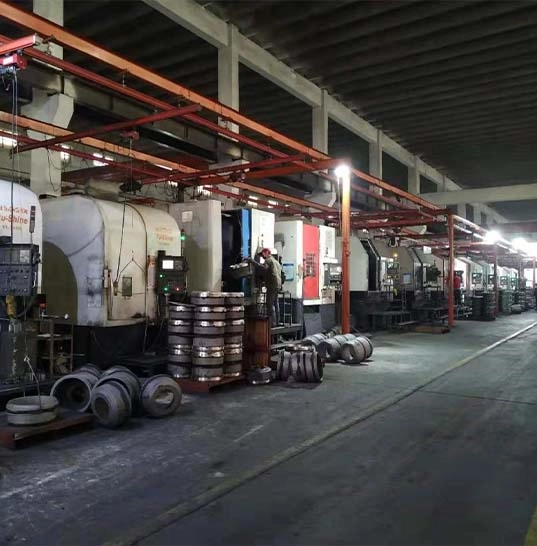
Manufacturing processes are distinct for each component. Drum manufacturing involves casting, machining, and often a surface finishing treatment to improve wear resistance. Shoe assembly involves bonding or riveting the friction material to the metal backing plate. Rotor manufacturing utilizes casting or forging, followed by precision machining to ensure flatness and proper thickness. Caliper manufacturing involves casting or forging the body, followed by precision machining and assembly of pistons, seals, and brake lines. The critical parameter control during rotor manufacturing centers on achieving a consistent carbon content and grain structure in the cast iron to minimize thermal cracking and warping. Pad manufacturing relies heavily on precise mixing ratios of constituent materials and controlled curing processes to ensure consistent friction properties. Surface treatments like coating and tempering are frequently employed to enhance corrosion resistance and reduce noise.
Performance & Engineering
Disc brakes offer superior performance primarily due to their enhanced heat dissipation capabilities. Heat generated during braking is a significant factor contributing to brake fade – a reduction in braking force due to overheating. The open design of disc brakes allows for efficient heat transfer to the surrounding air, mitigating fade. The braking force is directly proportional to the coefficient of friction between the pad and rotor, and the clamping force applied by the caliper. Engineering analysis involves calculating the required rotor diameter and caliper piston size to achieve the desired braking torque, considering factors like vehicle weight, weight distribution, and desired deceleration rate. Finite Element Analysis (FEA) is routinely employed to optimize caliper design for stiffness and stress distribution, minimizing deformation under high braking loads. Hydraulic brake lines must be correctly sized to ensure adequate fluid flow and prevent pressure loss. Consideration must also be given to the master cylinder's output and the compatibility of brake fluid (DOT 3, DOT 4, or DOT 5.1) with the system components. Compliance requirements, such as FMVSS 105 in the United States and ECE R13 in Europe, dictate minimum braking performance standards, including stopping distance and brake force variation. The conversion process must ensure the vehicle continues to meet these standards.
Technical Specifications
| Parameter | Drum Brake (Typical) | Disc Brake (Typical) | Unit |
|---|---|---|---|
| Rotor/Drum Diameter | 203 | 280 | mm |
| Friction Material Coefficient | 0.25-0.35 | 0.35-0.45 | - |
| System Weight (per corner) | 4-6 | 3-5 | kg |
| Heat Capacity | Low | High | - |
| Fade Resistance | Poor | Excellent | - |
| Self-Adjusting Mechanism | Mechanical | Hydraulic/Mechanical | - |
Failure Mode & Maintenance
Disc brake conversions, while offering performance benefits, are not immune to failure. Common failure modes include rotor warping (resulting in pedal pulsation), pad glazing (reducing friction), caliper piston seizure (leading to uneven pad wear), and brake line corrosion (causing fluid leaks). Rotor warping is often caused by uneven heating and cooling cycles. Pad glazing occurs when the friction material overheats and undergoes a phase change, creating a hard, smooth surface. Caliper piston seizure is typically due to corrosion or damage to the piston seal. Preventative maintenance is crucial. Regular inspection of rotor runout, pad thickness, caliper function, and brake line condition is recommended. Brake fluid should be flushed and replaced periodically (typically every 2-3 years) to prevent moisture contamination and corrosion. During a conversion, careful attention must be paid to proper torqueing of all fasteners, ensuring correct brake line routing, and thoroughly bleeding the brake system to eliminate air bubbles. A failure analysis of worn components can reveal underlying issues, such as excessive heat generation due to dragging brakes or improper pad selection. Corrosion is a significant concern, particularly in regions with high road salt exposure. Applying anti-corrosion coatings to exposed metal surfaces can extend component life.
Industry FAQ
Q: What is the primary benefit of converting from drum to disc brakes in terms of safety?
A: The primary benefit is significantly improved stopping power and reduced fade, particularly under repeated or hard braking scenarios. Disc brakes dissipate heat far more effectively than drum brakes, maintaining consistent braking performance even at elevated temperatures. This translates to shorter stopping distances and greater control, especially in emergency situations.
Q: What modifications are typically required beyond simply swapping the components during a drum-to-disc conversion?
A: Typically, a conversion necessitates a new brake master cylinder with appropriate fluid volume and pressure output for the disc brake system. The brake lines will need to be modified or replaced to connect to the disc calipers. A caliper mounting bracket specific to the vehicle and the chosen disc brake kit is essential. Furthermore, the parking brake system may need to be adapted, as drum brakes often incorporate the parking brake mechanism.
Q: What are the common signs of a warped rotor after a disc brake conversion?
A: The most common symptom of a warped rotor is a pulsating sensation in the brake pedal during braking. This pulsation becomes more noticeable at higher speeds. Visual inspection may reveal visible scoring or uneven wear on the rotor surface. Rotor runout measurements with a dial indicator can confirm warping beyond visual inspection.
Q: How does brake pad material affect the performance of a disc brake system?
A: Brake pad material significantly influences braking performance, noise levels, and rotor wear. Semi-metallic pads offer high friction but can be noisy and abrasive to rotors. Organic pads are quieter but have lower friction coefficients and are prone to fade at high temperatures. Ceramic pads offer a good balance of friction, noise reduction, and rotor life. Selecting the appropriate pad material depends on the vehicle’s usage and driving style.
Q: What is the recommended brake fluid change interval for a disc brake system, and why is it important?
A: A brake fluid change is generally recommended every 2-3 years, or as specified by the vehicle manufacturer. Brake fluid is hygroscopic, meaning it absorbs moisture from the atmosphere. Moisture contamination reduces the fluid’s boiling point, increasing the risk of brake fade and vapor lock. Regular fluid changes maintain optimal braking performance and prevent corrosion within the brake system.
Conclusion
The transition from drum to disc brakes represents a demonstrable enhancement in braking performance, safety, and reliability. This conversion necessitates careful consideration of material science principles, manufacturing tolerances, and engineering calculations to ensure optimal functionality and compliance with relevant safety standards. Understanding the potential failure modes and implementing a proactive maintenance schedule are critical for maximizing the lifespan and performance of the converted system.
Future advancements in brake technology will likely focus on further weight reduction through the use of advanced materials (e.g., carbon-ceramic composites) and the integration of electronic brake control systems (e.g., ABS, ESC). The industry is also exploring novel friction materials with improved thermal stability and reduced environmental impact. As such, staying abreast of these developments will be crucial for maintaining the highest levels of braking performance and safety.