

Introduction
Drum brake systems, while progressively superseded by disc brakes in many applications, remain a vital component in a significant portion of the automotive, commercial vehicle, and industrial equipment sectors. This technical guide provides an in-depth analysis of drum brake parts names and their associated engineering principles. Drum brakes utilize friction generated by brake shoes pressing against the inner surface of a rotating drum to decelerate or halt a vehicle or machine. Understanding the individual components – their material composition, manufacturing tolerances, and performance characteristics – is crucial for effective maintenance, reliable operation, and accurate failure analysis. The industry faces ongoing challenges related to brake dust emissions, material fade under high temperature conditions, and the need for optimized friction material formulations to meet increasingly stringent safety and environmental regulations. This document details each component, providing a foundation for informed engineering decisions and robust system design.
Material Science & Manufacturing
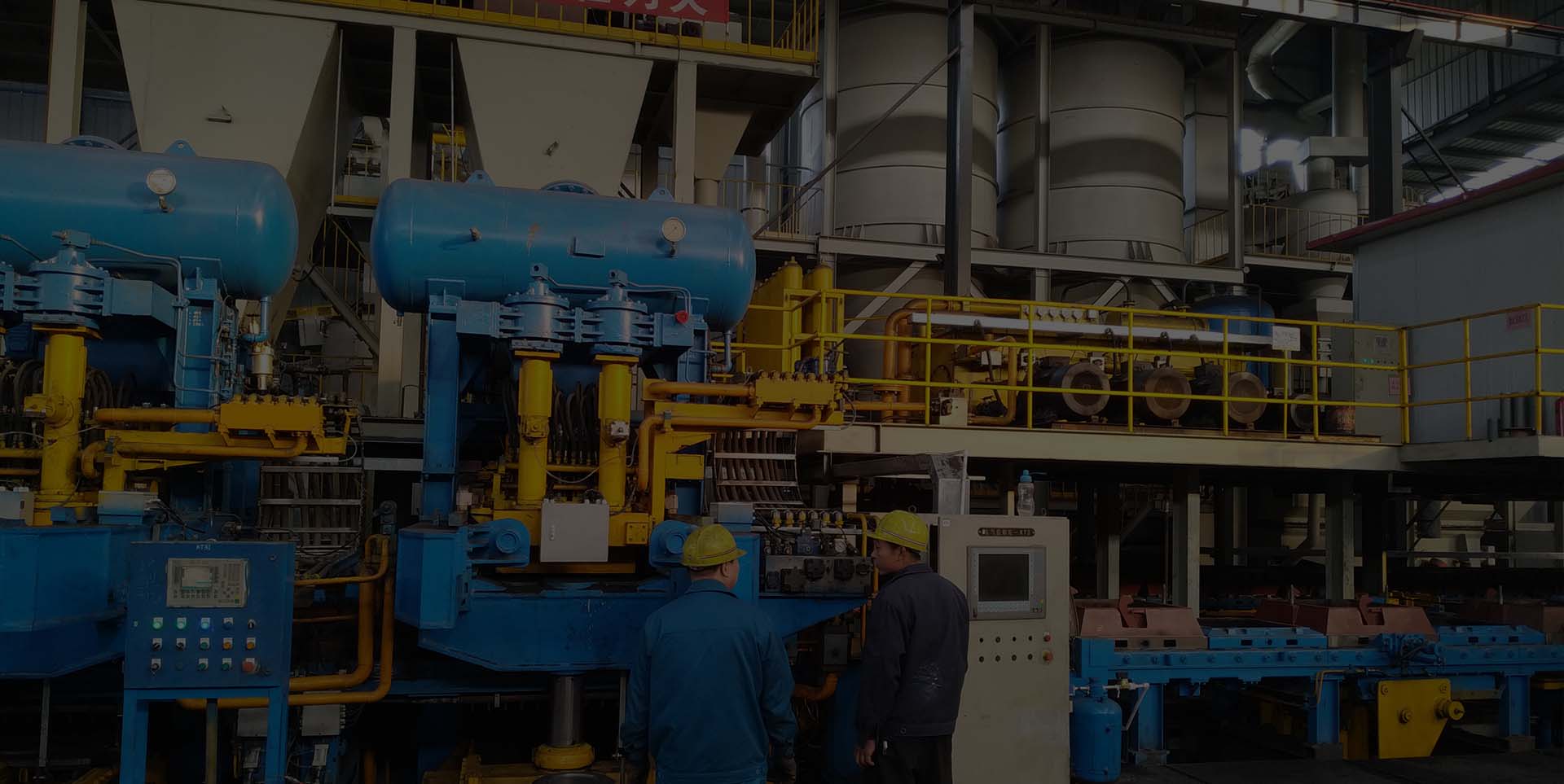
The core components of a drum brake system are typically manufactured from cast iron, steel, and friction materials composed of organic compounds, semi-metallic materials, or ceramic composites. Brake drums are traditionally made of gray cast iron (ASTM A48 Class 30) due to its excellent heat capacity, wear resistance, and relatively low cost. The manufacturing process typically involves sand casting, followed by machining to achieve precise dimensions and surface finish. Critical parameters during casting include cooling rate control to minimize residual stresses and ensure uniform microstructure. Brake shoes are commonly produced from ductile cast iron or steel. The friction material bonded to the shoes is a complex blend, often incorporating materials like asbestos (historically, now largely phased out due to health concerns), organic fibers, metallic powders (iron, copper, steel wool), friction modifiers (graphite, molybdenum disulfide), and binders (phenolic resins). Manufacturing of friction materials involves precise mixing, molding under high pressure and temperature (hot pressing), and curing to achieve desired density and strength. The quality of the bonding between the friction material and the shoe base is paramount; improper bonding leads to premature delamination and brake failure. Spring components are generally manufactured from high-carbon spring steel (SAE 675 or equivalent) through processes like cold forming or stamping, followed by heat treatment to achieve desired spring rates and fatigue resistance. Quality control focuses on material composition verification, dimensional accuracy, and non-destructive testing (NDT) techniques such as magnetic particle inspection (MPI) to detect surface cracks.
Performance & Engineering
The performance of a drum brake system is heavily influenced by factors such as braking force, heat dissipation, and friction coefficient stability. Force analysis focuses on the lever action of the wheel cylinder, the mechanical advantage provided by the brake shoe pivot points, and the contact force between the friction material and the drum. Effective braking requires a consistent and predictable friction coefficient across a range of operating temperatures and speeds. Heat generated during braking is a major challenge. The drum’s rotational speed and mass, combined with the friction force, create substantial heat. Insufficient heat dissipation leads to brake fade – a reduction in braking effectiveness due to the weakening of the friction material and the expansion of the drum. Engineering solutions include drum fin designs to increase surface area for convection cooling and the use of friction materials with high thermal conductivity. Compliance with industry standards (SAE J1153, FMVSS 105 in the US) dictates specific performance requirements for braking systems, including stopping distance, braking force distribution, and fade resistance. Hydraulic pressure calculations and component stress analysis are vital during the design phase to ensure structural integrity and prevent failure under extreme braking conditions. Furthermore, proper adjustment of the brake shoes to the drum is essential to maintain optimal contact and prevent excessive wear.
Technical Specifications
| Component | Material | Typical Hardness (HRC) | Tensile Strength (MPa) |
|---|---|---|---|
| Brake Drum | Gray Cast Iron (ASTM A48 Class 30) | 180-220 | 200-300 |
| Brake Shoe | Ductile Cast Iron/Steel | 150-200 | 400-600 |
| Friction Material | Semi-Metallic/Organic/Ceramic | 60-80 (Shore A) | Variable (20-100) |
| Wheel Cylinder | Cast Iron/Steel | 170-230 | 500-700 |
| Brake Spring | High-Carbon Spring Steel (SAE 675) | 40-50 | 900-1200 |
| Adjuster Mechanism | Steel Alloy | 30-40 | 600-800 |
Failure Mode & Maintenance
Drum brake systems are susceptible to various failure modes. Common issues include brake shoe wear, drum scoring (caused by abrasive particles embedded in the friction material), wheel cylinder leaks (leading to hydraulic pressure loss), and spring fatigue. Fatigue cracking in the brake shoes or drum can occur due to repeated stress cycles. Delamination of the friction material is a frequent problem, often stemming from inadequate bonding or exposure to high temperatures. Corrosion, particularly in humid environments, can affect the drum surface and wheel cylinder components, reducing braking effectiveness and potentially causing seizing. Brake fade, as previously mentioned, results from overheating and the consequent reduction in friction coefficient. Maintenance procedures involve regular inspection of brake shoe thickness, drum surface condition, wheel cylinder seals, and spring integrity. Brake shoe replacement is necessary when the friction material wears below a specified minimum thickness. Drum resurfacing (turning) can remove minor scoring and restore a smooth braking surface, but excessive resurfacing reduces drum thickness and compromises structural integrity. Wheel cylinder replacement is required in case of leaks. Proper lubrication of moving parts (pivot points, adjuster mechanism) is essential to prevent seizing and ensure smooth operation. Periodic bleeding of the brake system removes air bubbles and maintains hydraulic pressure. A comprehensive preventative maintenance schedule is crucial for maximizing brake system life and ensuring safe operation.
Industry FAQ
Q: What is the primary cause of brake squeal in drum brake systems?
A: Brake squeal is often caused by resonance between the brake shoes, drum, and hardware components. Factors contributing to squeal include uneven wear of the friction material, loose or missing hardware (springs, clips), and the presence of contaminants on the braking surfaces. Applying a small amount of high-temperature brake grease to the backing plates can help dampen vibrations and reduce squeal, but excessive grease can contaminate the friction material and reduce braking performance.
Q: How does drum brake fade differ from disc brake fade, and what are the mitigation strategies?
A: Drum brake fade is generally more severe than disc brake fade due to the drum's limited heat dissipation capacity and the enclosed nature of the braking surface. Heat builds up rapidly, causing the drum to expand and the friction material to lose its effectiveness. Mitigation strategies include using drums with fin designs to improve cooling, selecting friction materials with higher thermal conductivity and fade resistance, and ensuring proper brake adjustment to maximize contact and heat transfer.
Q: What are the environmental concerns associated with drum brake dust, and what alternatives are being explored?
A: Drum brake dust contains particulate matter (PM10 and PM2.5) and potentially harmful heavy metals (copper, lead) released during braking. This dust contributes to air pollution and poses health risks. Alternatives being explored include ceramic friction materials with reduced metallic content, improved dust shields to capture brake dust, and the development of brake systems with reduced dust generation.
Q: What is the role of the self-adjuster mechanism in a drum brake system?
A: The self-adjuster mechanism automatically compensates for brake shoe wear, maintaining proper clearance between the shoes and the drum. This ensures consistent braking performance and prevents the need for manual adjustment. Failure of the adjuster mechanism can lead to excessive pedal travel and reduced braking effectiveness.
Q: What are the key differences between leading and trailing brake shoes, and how do they affect braking performance?
A: In a duo-servo drum brake system, the leading shoe experiences a self-energizing effect, where the rotation of the drum assists in applying braking force. This results in a higher braking force contribution from the leading shoe compared to the trailing shoe. Proper identification and installation of leading and trailing shoes are critical for balanced braking performance.
Conclusion
The drum brake system, despite facing competition from disc brake technology, remains a prevalent braking solution across numerous applications. A thorough understanding of drum brake parts names, their material properties, manufacturing processes, and failure modes is crucial for engineers, technicians, and procurement professionals. Optimizing brake performance requires careful consideration of heat dissipation, friction material selection, and adherence to stringent industry standards.
Future advancements in drum brake technology will likely focus on reducing brake dust emissions, improving thermal management, and enhancing system reliability. The integration of advanced materials and innovative designs will be essential to meet increasingly demanding performance and environmental regulations. Continued research and development in friction material science, coupled with optimized manufacturing techniques, will further refine the capabilities of drum brake systems in a constantly evolving industrial landscape.