

Introduction
Frozen brake drums represent a significant impediment to efficient vehicle maintenance and repair, particularly in regions experiencing cold weather conditions. This phenomenon, resulting from a combination of moisture ingress, corrosion, and thermal contraction, leads to a powerful adhesion between the drum and the hub, requiring substantial force for separation. The ensuing damage during forceful removal frequently results in component failure, necessitating costly replacements and extending vehicle downtime. This guide details the material science, engineering principles, and standardized procedures for effective frozen brake drum removal, addressing common failure modes and preventative maintenance strategies. The focus is on minimizing component damage and ensuring long-term brake system reliability. This document targets maintenance technicians, fleet managers, and automotive engineers responsible for brake system inspection and repair. The primary pain point addressed is the significant cost associated with drum damage and extended repair times stemming from improper removal techniques.
Material Science & Manufacturing
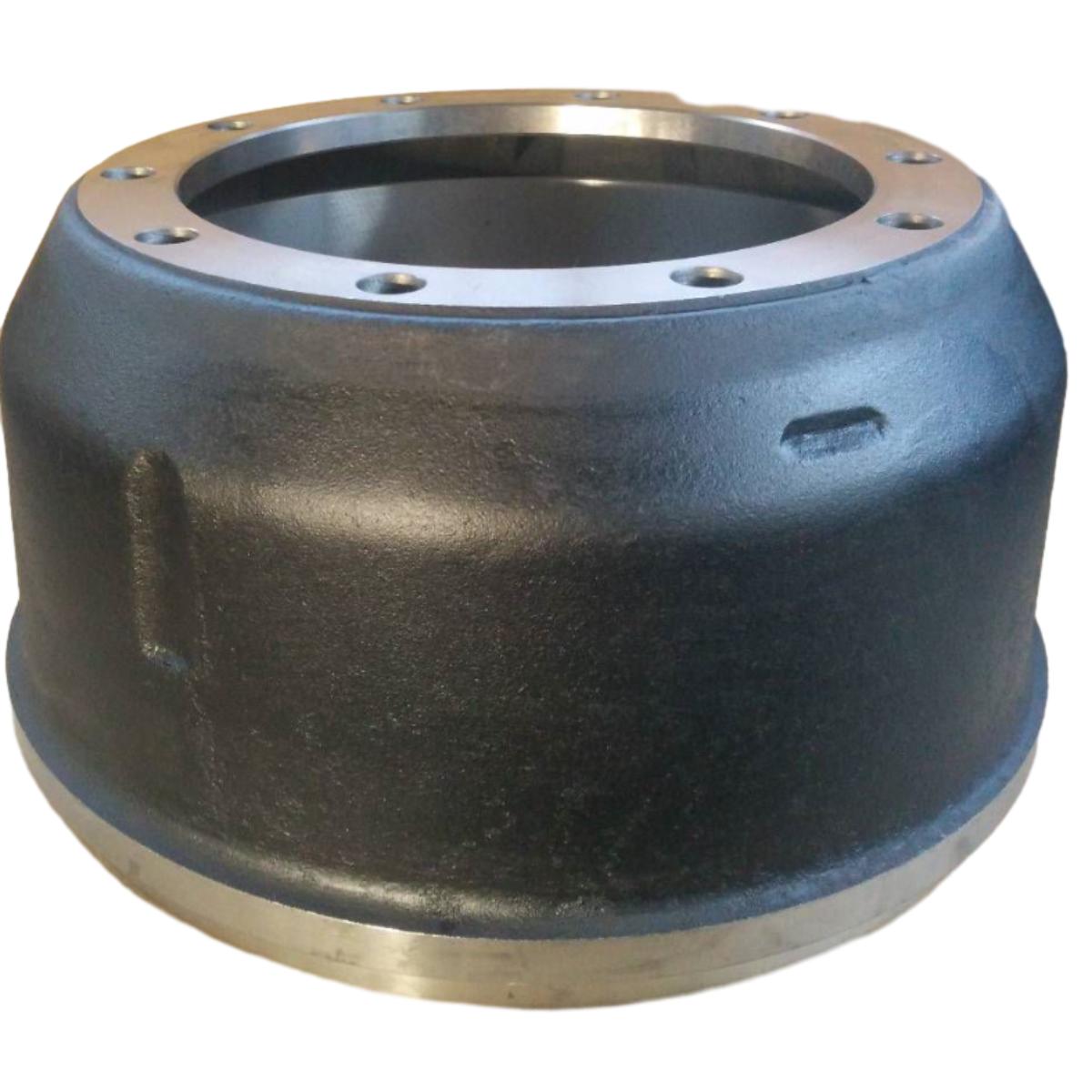
Brake drums are commonly constructed from gray cast iron (ASTM A48 Class 30), selected for its high thermal conductivity, wear resistance, and damping characteristics. The material composition typically consists of 96-98% iron, 1.8-3.0% carbon, 1.5-2.5% silicon, and smaller percentages of manganese, sulfur, and phosphorus. The manufacturing process usually involves sand casting, followed by machining to achieve precise dimensions and surface finish. However, the interface between the drum and hub presents a unique set of material science challenges. Hubs are generally manufactured from ductile cast iron or steel alloys, creating a galvanic corrosion cell when exposed to moisture and electrolytes (road salt). This corrosion forms iron oxides (rust) which act as a strong adhesive. Thermal expansion differences between the drum and hub materials exacerbate the issue, creating tight mechanical interference as temperatures drop. Manufacturing variations in drum runout and hub surface finish also contribute to localized stress concentrations, promoting corrosion initiation. The type of brake lining material used (organic, semi-metallic, or ceramic) impacts the rate of drum wear and the composition of debris accumulating at the interface, further influencing the corrosion process. The presence of these debris particles acts as an abrasive, accelerating wear and contributing to the freezing effect.
Performance & Engineering
The force required to overcome the adhesion between a frozen brake drum and hub can be analyzed using principles of adhesion theory and tribology. The adhesive force is a function of the contact area, the shear strength of the corrosion layer, and the interfacial tension. Estimating the shear strength of rust layers is complex, ranging from 20 MPa to 100 MPa depending on the composition and morphology. Applying a uniform tensile force across the drum’s mating surface is ideal, but impractical. Therefore, removal methods often rely on localized forces applied through impact or leverage, creating stress concentrations. The risk of drum cracking or hub distortion increases with the magnitude of these localized forces. Finite element analysis (FEA) can be used to model the stress distribution during drum removal and optimize the application points for separating forces. Engineering considerations also include the design of specialized removal tools. Hydraulic pullers offer controlled force application, minimizing the risk of sudden shock loads. Penetrating oil, containing corrosion inhibitors, reduces the adhesive force by disrupting the rust layer. Heat application, though effective, must be carefully controlled to avoid thermal shock and material property degradation. Proper engineering practice dictates a sequential approach: penetrating oil application, followed by controlled force application, and careful monitoring for signs of stress or distortion.
Technical Specifications
| Parameter | Typical Value (Brake Drum) | Typical Value (Hub) | Relevant Standard |
|---|---|---|---|
| Material | Gray Cast Iron (ASTM A48 Class 30) | Ductile Cast Iron/Steel Alloy | SAE J431 |
| Coefficient of Thermal Expansion (x10-6 / °C) | 12-14 | 8-12 (Steel), 9-11 (Cast Iron) | ASTM E228 |
| Hardness (Brinell) | 180-250 HB | 150-300 HB (Steel), 170-280 HB (Cast Iron) | ASTM E10 |
| Tensile Strength (MPa) | 200-350 | 400-800 (Steel), 250-400 (Cast Iron) | ASTM E8 |
| Corrosion Potential (V vs SCE) | -0.5 to -0.8 | -0.2 to -0.6 (Steel), -0.4 to -0.7 (Cast Iron) | ASTM G1 |
| Adhesion Strength (Rust Layer, MPa) | 20-100 (Estimated) | N/A | N/A |
Failure Mode & Maintenance
Failure modes associated with frozen brake drum removal commonly include drum cracking, hub distortion, wheel stud damage, and brake lining contamination. Drum cracking typically occurs due to tensile stress exceeding the material’s ultimate tensile strength during forceful removal. Hub distortion, particularly in aluminum hubs, can result from excessive impact loads. Wheel stud damage arises from localized forces applied near the studs during prying or hammering. Brake lining contamination occurs when debris from the rust layer enters the braking surface, reducing friction performance and accelerating wear. Preventative maintenance involves regular inspection for corrosion, application of corrosion inhibitors to the drum-hub interface, and proper wheel bearing lubrication to prevent moisture ingress. Annual disassembly and cleaning of the brake assembly, followed by re-application of anti-seize compound, significantly reduces the likelihood of freezing. If removal is necessary, a sequential approach using penetrating oil, heat (controlled), and a hydraulic puller is recommended. Avoid direct hammering on the drum face. Post-removal, thoroughly inspect all components for damage and replace any suspect parts. Surface preparation of the hub mating surface before drum re-installation is also crucial to prevent future freezing.
Industry FAQ
Q: What is the primary chemical process contributing to frozen brake drums?
A: The primary process is galvanic corrosion. The dissimilar metals of the drum (typically cast iron) and hub (often steel or aluminum) in the presence of an electrolyte (road salt solution) create a corrosion cell, forming iron oxides (rust) that act as a strong adhesive between the surfaces.
Q: What are the limitations of using heat to remove a frozen drum?
A: While effective, excessive heat can cause thermal shock, leading to drum cracking or hub distortion, especially with aluminum components. Rapid heating and cooling cycles induce stress. It can also degrade the temper of the steel and damage surrounding components like seals and brake hoses.
Q: Is it acceptable to use a sledgehammer directly on the brake drum to attempt removal?
A: No. Direct hammering creates localized stress concentrations, significantly increasing the risk of drum cracking and potentially damaging the hub and wheel studs. It's a highly discouraged practice.
Q: What type of penetrating oil is most effective, and what are its key ingredients?
A: Penetrating oils containing a combination of petroleum distillates, sulfur compounds, and corrosion inhibitors are most effective. The sulfur compounds reduce surface tension, allowing the oil to penetrate rust layers. Corrosion inhibitors (e.g., amine carboxylates) passivate the metal surface and prevent further corrosion.
Q: How can a fleet manager proactively prevent frozen brake drums across a large vehicle fleet?
A: Proactive prevention involves implementing a regular maintenance schedule that includes annual brake assembly disassembly, cleaning, and re-application of anti-seize compound to the hub mating surface. Using corrosion inhibitors during winter months and ensuring proper wheel bearing lubrication are also critical preventative measures.
Conclusion
The removal of frozen brake drums necessitates a thorough understanding of material science, corrosion mechanisms, and appropriate engineering practices. Forceful and indiscriminate methods invariably lead to component damage and increased maintenance costs. A sequential approach employing penetrating oil, controlled force application (preferably with a hydraulic puller), and careful monitoring for stress indicators represents the most effective strategy for minimizing risk. Preventative maintenance, focused on corrosion control and regular inspection, is paramount to reducing the incidence of frozen brake drums and ensuring long-term brake system reliability.
Future research should focus on developing advanced corrosion-resistant coatings for brake drum and hub surfaces. Investigating novel penetrating oil formulations with enhanced corrosion inhibition and improved penetration capabilities would also be beneficial. Furthermore, incorporating sensor technology to monitor interface corrosion levels could allow for predictive maintenance, enabling proactive drum removal before seizing occurs and maximizing vehicle uptime.